
Last updated November 16, 2026
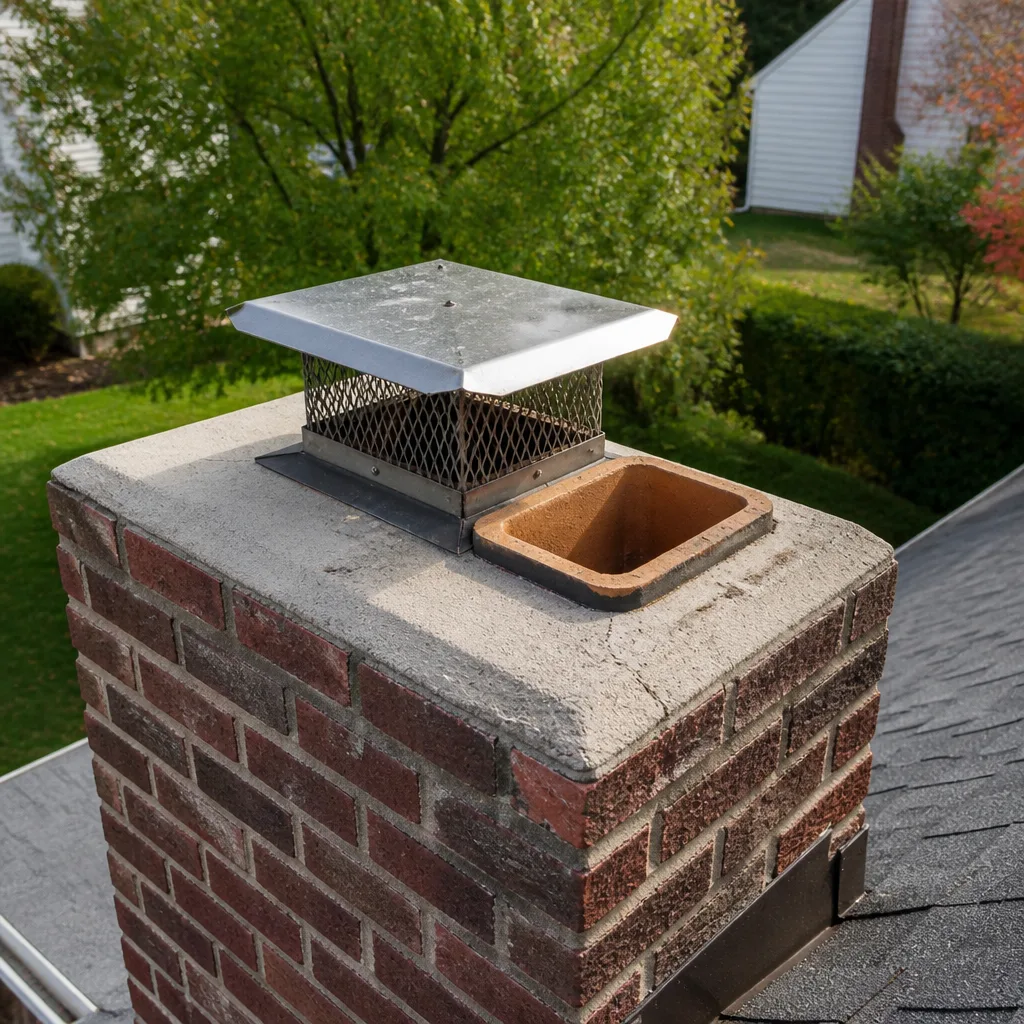 Sweep & inspection
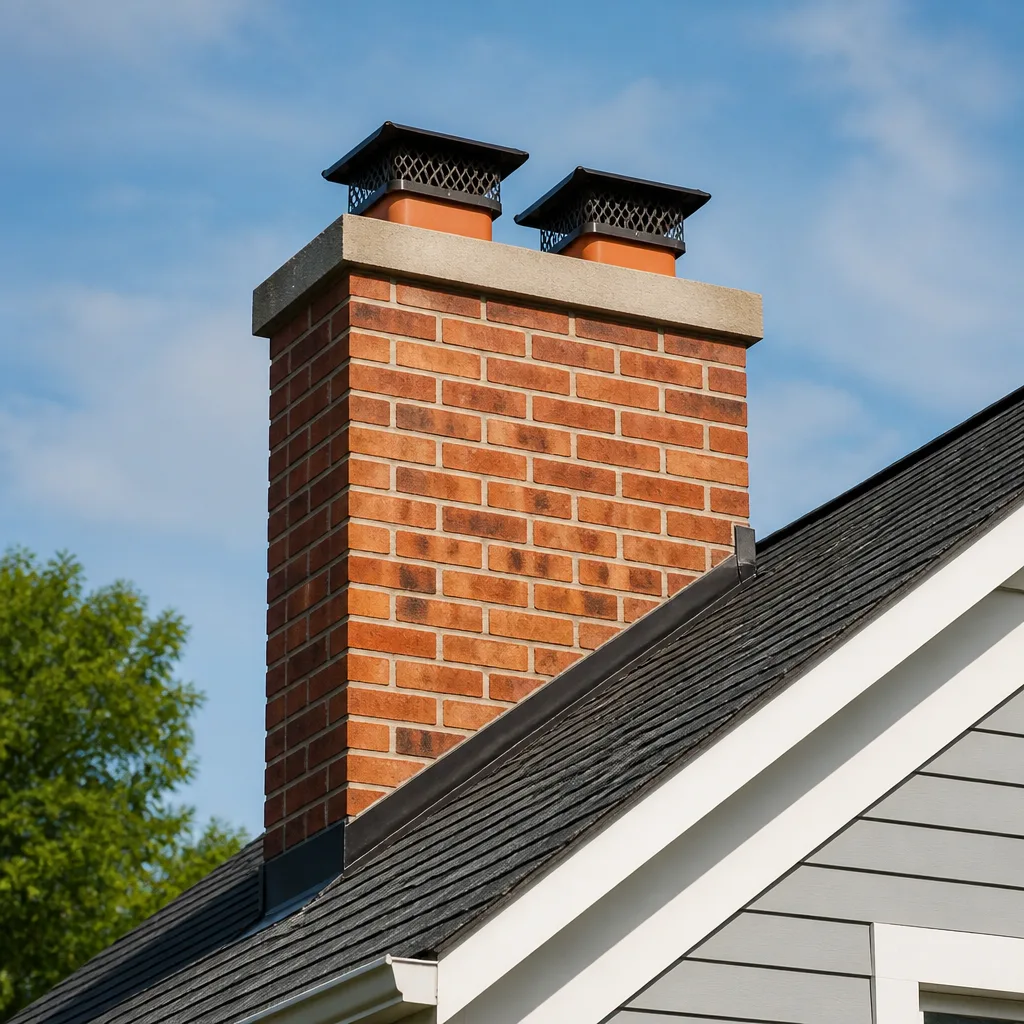 Caps & crowns
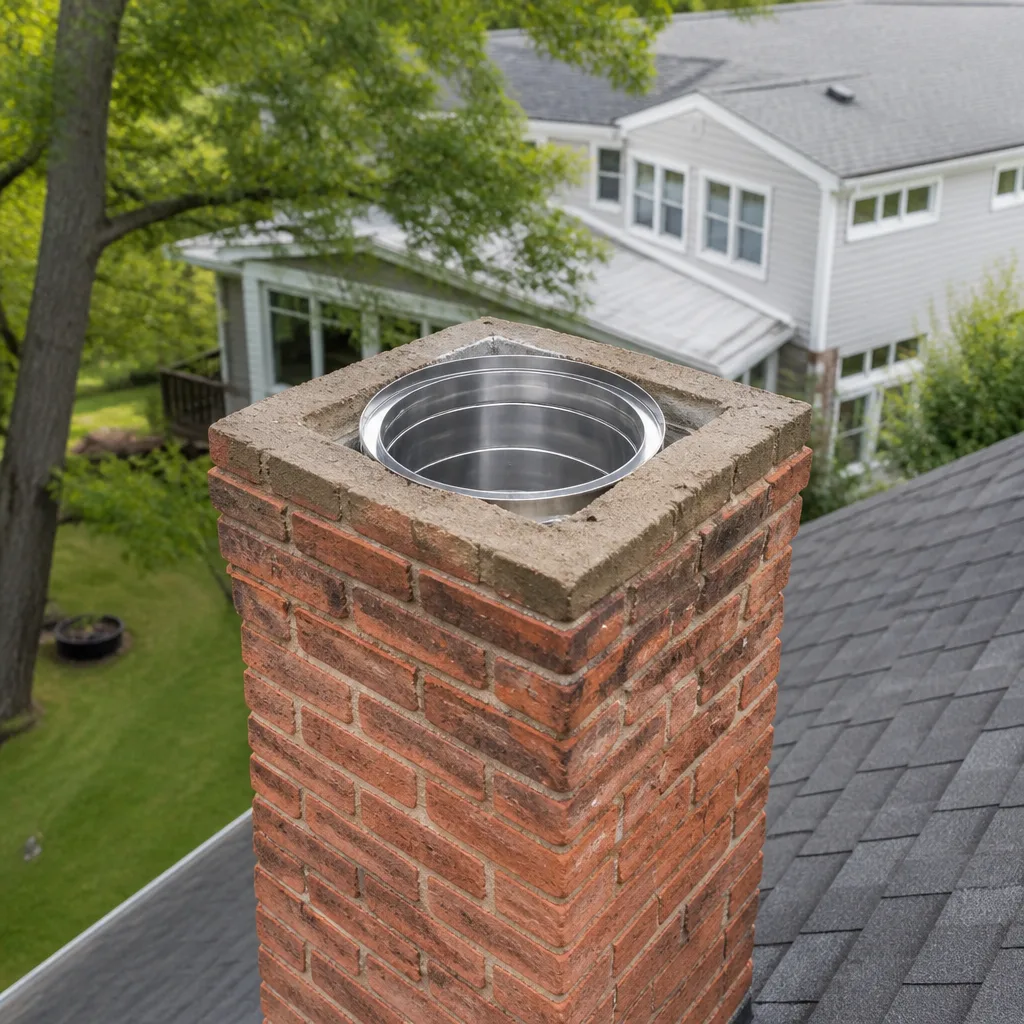 Flue relining
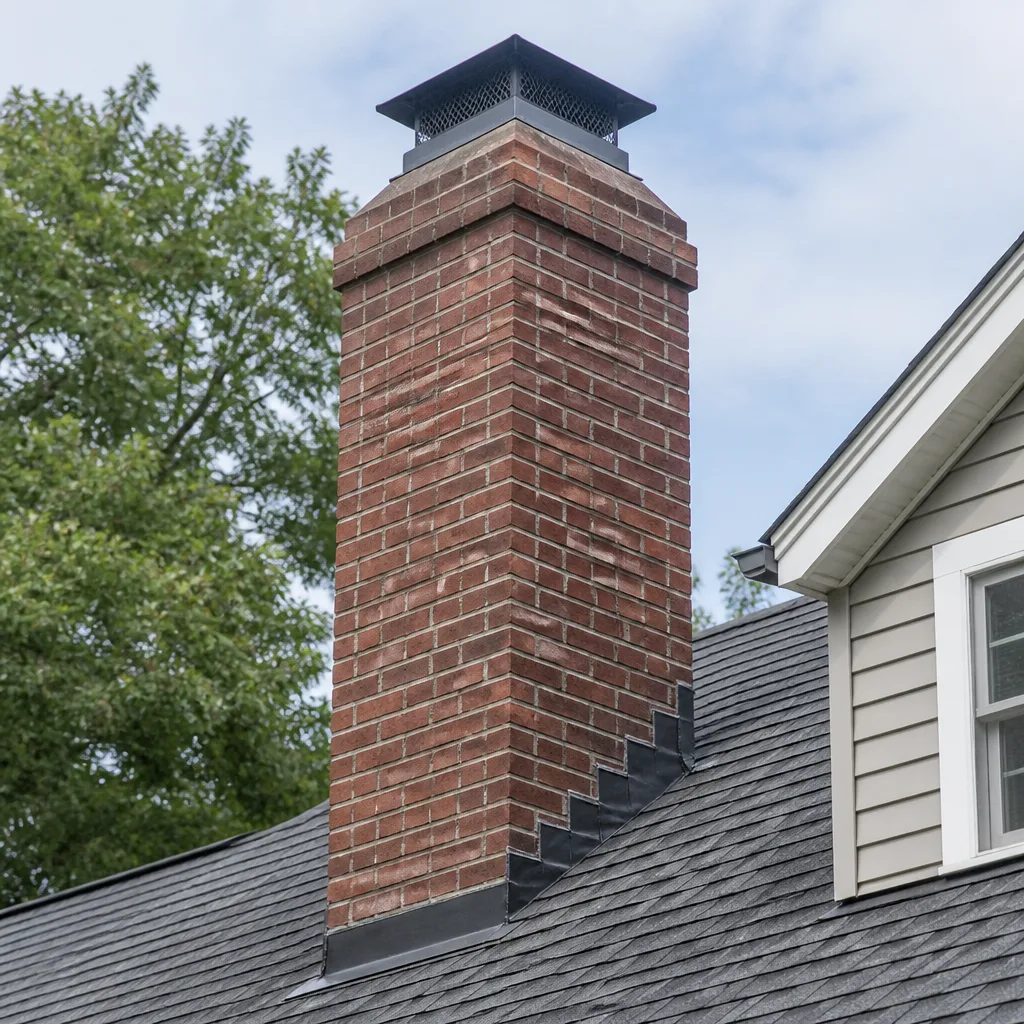 Masonry repair
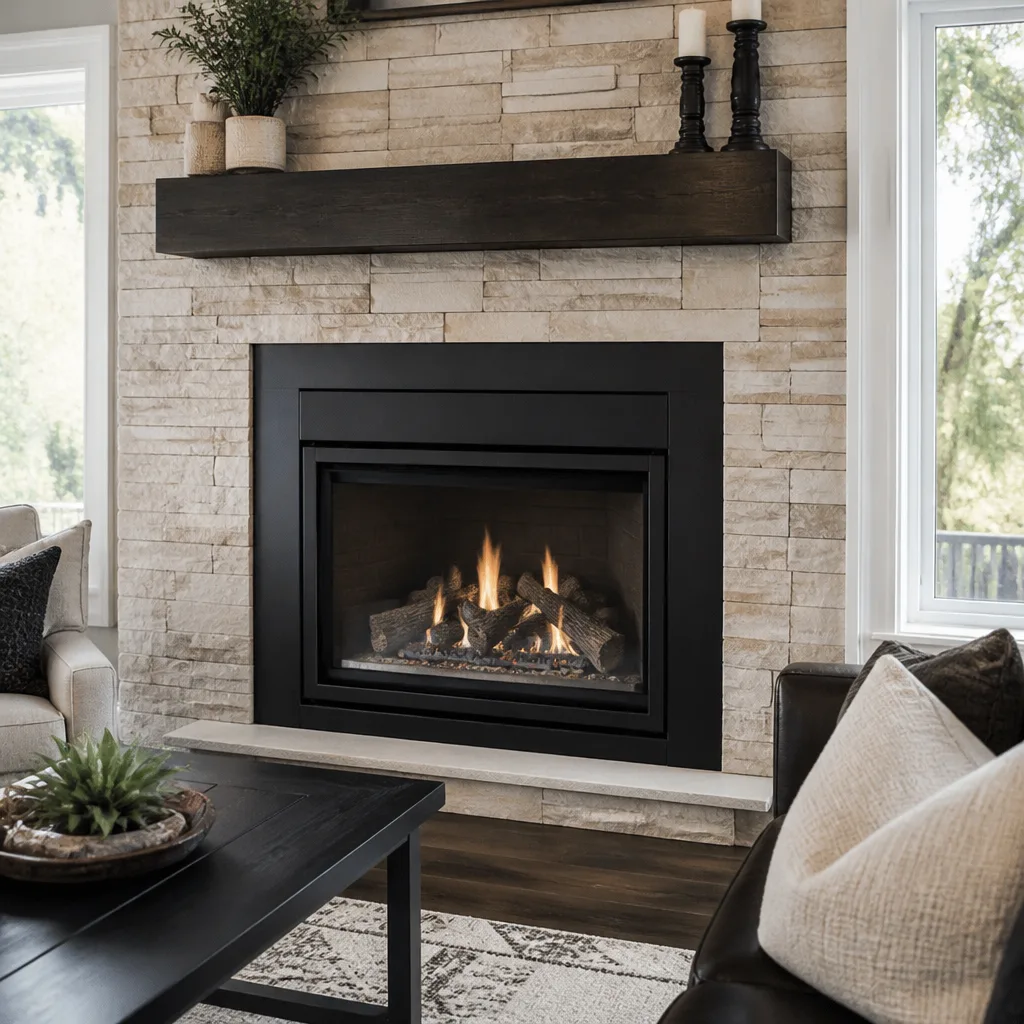 Gas fireplace service
Level 1 sweep and inspection to the NFPA 211 annual standard - flue, crown, cap, and flashing checked and photographed
Chimney sweep logs do not sweep chimneys. They loosen some creosote - which then falls where a brush and vacuum still have to collect it.
Chimney Cleaning Permits, Codes & Inspections in Aurora, CO: What You Need to Know
Cleaning a chimney doesn’t require a permit. The repairs that cleaning reveals usually do, and that’s where Aurora homeowners get caught. A “clean and repair” invoice that bundles liner work, crown reconstruction or a firebox rebuild can quietly skip the permit that Colorado’s residential code requires, and the homeowner has no way to tell from the paperwork. This guide draws the line clearly: what’s maintenance, what’s permitted work, how Aurora’s local code amendments work, what a Level 2 inspection obligates you to do before a sale, and how to verify whether the chimney work on your property was ever inspected. You’ll finish knowing how to hold any contractor accountable.
Quick Answer
In Aurora, routine chimney sweeping and cleaning is maintenance and does not require a permit. Chimney liner replacement, crown reconstruction, firebox rebuilds and structural masonry changes do require a building permit under Aurora’s adopted residential code. Any contractor who performs that structural or liner work without pulling a permit, having it inspected and getting it closed out is working outside the code, and the homeowner inherits the problem at resale or insurance review.
Styles & brands we work with
- Sweep & inspection
- Caps & crowns
- Flue relining
- Masonry repair
- Gas fireplace service
Table of Contents
- What Requires a Chimney Permit in Aurora?
- How Colorado’s Solid-Fuel Rules Interact With Aurora Codes
- What a Level 2 Inspection Obligates You to Do Before Selling
- How to Pull Your Own Permit History for a Property
- What “Code Compliant” Really Means on an Invoice
- Why Aurora’s Climate Changes What Your Chimney Needs
- How to Verify a Contractor Before You Book
- What Happens After a Failed Inspection
What Requires a Chimney Permit in Aurora?
Aurora adopts the International Residential Code with local amendments, and the permit line for chimney work sits between maintenance and structural change. The rule is fairly clean once you state it plainly: anything that alters the structure of the chimney, the liner system or the firebox requires a permit. Anything that cleans, inspects or weatherproofs an existing intact system does not.
Work that does NOT require a permit (maintenance)
- Sweeping and cleaning of the flue, firebox and smoke chamber
- Level 1, Level 2 or Level 3 chimney inspections by a qualified inspector
- Replacing a chimney cap or installing a new cap with the same footprint
- Repointing small areas of mortar and sealing cracks in the crown (minor, cosmetic)
- Installing or replacing a spark arrestor or top-sealing damper at the same opening
Work that DOES require a permit
- Replacing or installing a new flue liner, including a flexible stainless reline with DuraFlex or similar systems
- Applying a cast-in-place liner restoration product such as HeatShield that changes the flue’s interior profile
- Rebuilding the chimney crown after removal or significant reconstruction
- Firebox rebuilds and firebox-to-flue reconstruction
- Removing or relocating a chimney, or making structural changes to the chimney chase
- Changing the appliance, fuel type or flue configuration (for example, adding an insert or switching to a wood stove)
The work that most often gets done without a permit is the liner. Relining with a flexible stainless system or applying HeatShield resurfacing are both permitted operations in Aurora, and both can be quietly performed on a routine “cleaning and repair” invoice without the permit ever being pulled. If you’re in a home near the Fitzsimons or Lowry redevelopment areas where buyers are diligent about documenting maintenance, that gap matters. For a homeowner who wants the work done and documented properly, our chimney repair service handles the permitted scope through the same company that performed the inspection, so nothing gets handed off.
How Colorado’s Solid-Fuel Rules Interact With Aurora Codes
The Colorado Division of Fire Prevention and Control sets rules for solid-fuel burning devices – wood stoves, fireplaces and the chimney systems that serve them – and those rules sit on top of Aurora’s local building code rather than replacing it. The simplest way to think about it: Aurora’s building department issues the permit and inspects the installation, and the state’s solid-fuel rules define what “safe operation” and “correct installation” mean for the appliance and its venting.
Where the two layers overlap
- Clearances to combustibles: the state rules and the manufacturer’s listing set minimum clearances. Aurora’s inspector verifies them at the permit inspection.
- Flue sizing for the appliance: the flue has to match the appliance’s venting requirements, which is why swapping in a new insert without a permit is a problem. The appliance changes and the flue may no longer comply.
- Creosote and chimney fire prevention: the state fire code addresses safe operation and maintenance, and Aurora’s adopted code addresses structure. Both are relevant to a chimney that serves a wood-burning appliance.
What this means for a homeowner
When a contractor tells you something is “fine under state code” but hasn’t touched the local building permit, that’s a mix of two separate obligations. State solid-fuel rules don’t substitute for a local building permit on structural or liner work, and a local permit doesn’t automatically mean the appliance’s venting is correct under solid-fuel rules. Both boxes have to be checked, which is why a documented inspection that records the appliance, the flue and the clearances is worth keeping with the home’s records. We build that inspection report so it can be handed to an insurance adjuster, a real estate agent, a fire marshal or the next owner’s inspector, all from the same visit. That’s the value of working with a single Morningstar Chimney Sweep team on the diagnosis and the documentation.
What a Level 2 Inspection Obligates You to Do Before Selling
A Level 2 inspection is the visual and accessible inspection that goes further than a Level 1: it looks at the flue’s accessible interior (with video where needed), the appliance connection, the chimney exterior and the attic and crawl spaces. In Aurora’s real estate market, a Level 2 is what most buyers’ agents ask for on a home with a wood-burning fireplace, and it’s what an insurer will accept when a new policy is being written on an older home.
What the Level 2 inspection produces
- A written condition report on the visible and accessible condition of the flue, firebox, damper, cap, crown and flashing.
- Photographs or video where the inspection requires them to document a defect.
- A statement of what the inspector could and could not access, and why.
- A recommended action list, ranked by urgency.
What Colorado’s disclosure rules imply
Colorado’s seller disclosure law requires the seller to disclose known material defects, and a documented Level 2 finding becomes a known defect the moment the seller has it in hand. In practice this means you can’t skip the report and you can’t sit on it. If the report notes a deteriorated liner or a crown failure, that fact is disclosable and buyers’ inspectors will find it themselves if you don’t disclose it. The timeline Colorado practice has settled into is that the inspection should be done before the property is listed, or at the point of a buyer’s inspection contingency, and the corrective work is either negotiated or done before closing. A liner replacement or crown reconstruction that’s permitted and inspected before the sale is a stronger position than an unpermitted one discovered by a buyer’s inspector.
The Aurora context
Homes in the older neighborhoods near Original Aurora and along the Colfax corridor are more likely to have original masonry chimneys that have never been relined, and that’s where the Level 2 report typically surfaces work. In the newer areas south and east of the city, the chimneys are usually metal factory-built or well-maintained masonry, but the report still serves as the documentation the resale needs. Either way, the report is a record, not a scare. If the state of the chimney allows the work to wait, the report says so.
How to Pull Your Own Permit History for a Property
You can verify whether previous chimney work was permitted and inspected without a contractor’s help. Aurora’s building department keeps permit history by address, and a records request will tell you what was permitted and whether the work was signed off and closed. It’s a step most homeowners skip, and it’s the one that catches an unpermitted liner before it becomes a problem at closing.
Step-by-step: pulling the permit history
- Gather the property address and parcel number. The parcel number is on a property tax record or the county assessor’s site.
- Contact Aurora’s building records division and ask for a permit history on the address. You’ll typically get a list of permits pulled on the property, with dates and descriptions.
- Look for permits labeled with chimney, liner, flue, firebox, insert, wood stove, masonry repair or roof penetration. If a permit exists, ask for its status.
- Confirm the permit was inspected and closed. A permit that was pulled but never inspected and closed is an open item the buyer’s inspector will flag.
- Compare the permit list against the work you can see. A reline, a new cap, a rebuilt crown – each should appear.
- If nothing matches and the chimney has clearly been worked on, request a code inspection or ask your contractor to initiate a permit and inspection that closes the gap.
The paperwork that comes back from Aurora’s records office is the same document a buyer’s agent will pull when the property is under contract. Finding an open permit or missing records early is much cheaper than finding it ten days before closing.
What “Code Compliant” Really Means on an Invoice
“Code compliant” on an invoice and “permitted and inspected” are two different things. Code compliance describes the physical installation – the materials, the clearances, the flue sizing, the connections. Permitted and inspected describes the process: Aurora’s building department reviewed the work and signed off. A contractor can install a perfectly compliant liner without pulling the permit, which leaves you with a system that functions but has no record.
What to look for on the paperwork
- A permit number for any liner, crown, firebox or structural work, with Aurora’s building department as the issuing authority.
- An inspection record showing the work was inspected and the permit was closed.
- A materials list naming the actual products – DuraFlex for a flexible stainless liner, HeatShield for resurfacing, Copperfield or Famco for caps and covers. Generic “liner” language without a product name is a warning sign.
- A condition report with the inspector’s findings, in writing, from the same visit as the sweep.
Why the distinction matters
At resale, the buyer’s inspector asks about the chimney and the buyer’s agent pulls the permit history. A physically compliant liner with no permit is an open question; a permitted liner with the sign-off in the file is a documented improvement. At insurance review, the adjuster may ask whether the appliance and flue are code compliant and whether the work was inspected. If you’re the homeowner who paid for the repair, the paperwork is the only thing that answers those questions years later. We keep that paperwork clear on purpose: what was found, what was done, and what still needs attention.
Why Aurora’s Climate Changes What Your Chimney Needs
Aurora’s climate is dry and cold in winter, with a freeze-thaw cycle that works on masonry and a long heating season that builds creosote. That combination shapes both what needs a permit and what gets flagged in an inspection. A chimney that lives in a wetter, warmer climate often lasts longer between repairs; a chimney in Aurora’s high-desert cold is worked harder on both sides.
What the climate does to the chimney
- Freeze-thaw on the crown: water gets into hairline cracks, freezes overnight, expands and widens the crack. Crown reconstruction is one of the repairs that requires a permit, and it’s the repair Aurora chimneys present most often.
- Long burning season: an Aurora fireplace may run from October into April, and creosote builds with each burn. Annual sweeping is the maintenance interval that keeps the flue safe, and annual sweeping does not require a permit.
- Dry air and draft: the dry winters and the temperature swings affect draft and backdraft. An inspection that records the flue’s condition and the cap’s condition catches problems before they turn into smoke inside the house.
- Snow loads on the cap: a cap installed cheaply can bend or seal shut under snow, which is why we install caps from Copperfield and Famco. The cap is a maintenance item, not a permitted repair, but the material choice affects how often it needs replacing.
If you use the fireplace as a heat source rather than for occasional ambiance, the creosote load is heavier and the sweep interval matters more. If you’ve recently moved into a home in Aurora and don’t know the last time the chimney was cleaned, the first step is a documented inspection – not a liner quote. Our chimney sweep service inspects before it sweeps, so the sequence is: find out what’s there, then decide what’s needed.
How to Verify a Contractor Before You Book
Before you book chimney work in Aurora, verify three things: whether the contractor is pulling permits when the scope requires them, what materials they actually install, and whether the inspection and the repair are done by the same company. The verification takes a phone call and a look at the written estimate.
A short verification checklist
- Ask whether the work requires a permit under Aurora’s code and who is pulling it. The contractor should answer directly. If the scope includes a liner, crown, firebox or structural change and they say no permit is needed, that’s a red flag.
- Ask for product names. A professional chimney contractor names the liner and cap products: DuraFlex, HeatShield, Olympia Chimney, Copperfield, Famco, Gelco. Generic “industry standard” language without specifics is a sign the materials are hardware-store substitutes.
- Ask whether the same company inspects, sweeps and repairs. A company that only sweeps and hands you a repair quote from a second company leaves you with two contractors and one unclear scope. We inspect, sweep and repair under one roof.
- Ask for a written condition report. Any inspection should produce one, with photos where relevant, that you can hand to an insurer, agent or fire marshal.
- Ask about the estimate. The price should be set per job by the written estimate, and the estimate should be free.
Our technicians have up to 8 years of experience in chimney work, and the scope they work in is the full life cycle: sweep, inspect, repair. Nothing outside chimney work. If a company offers to do the chimney and the roof and the gutters on the same visit, that’s a sign you’re dealing with a generalist. A specialist knows where the permit line sits because they pull permits on the work they recommend.
What Happens After a Failed Inspection
A failed inspection from Aurora’s building department is not the end of the job. It’s a list of items to correct before the permit can be closed. The most common items we see after a chimney permit inspection involve clearances, flue sizing, connections or documentation.
What a typical correction path looks like
- The inspector issues a written correction list. Each item needs a documented fix, and the reinspection confirms it.
- Clearance issues are corrected with proper shielding or a change to the installation. Non-compliant clearances are the most common reason a chimney installation fails inspection.
- Flue sizing is corrected if the appliance and the flue don’t match, sometimes requiring a different appliance or a revised flue system.
- Documentation is completed if the inspection record is incomplete, and the permit is closed.
The work that safely waits is maintenance-level: a dirty flue, a defective cap, a small mortar joint. The work that doesn’t wait is a failed liner, a crumbling crown that’s letting water into the masonry, or a flue that’s no longer matched to the appliance. Our advice after any inspection is the same: we tell you what’s urgent, what can safely wait, and what the code allows, and you make the call. Nothing gets recommended on the strength of our word alone. The inspection report is the evidence.
Common Mistakes to Avoid
- Accepting a “cleaning and repair” invoice without a permit number. If the invoice includes a liner, crown or firebox job, it should name a permit. If it doesn’t, the work was likely done without one, and that becomes your problem at resale.
- Assuming sweeping requires a permit. It doesn’t. Cleaning and inspection are maintenance. Skip the permit, not the sweep – the sweep is what keeps the flue safe.
- Treating “code compliant” as “permitted and inspected.” A compliant installation without a permit leaves no record. Ask for the permit number and the closed inspection, especially on liner and structural work.
- Not pulling the property’s permit history before a sale. An open permit on a chimney from a previous owner can delay closing. Pull the history early and resolve it while there’s time.
- Letting a generalist handle a chimney liner. Liner work is permitted work and the products that meet code come through chimney supply lines – DuraFlex, HeatShield, Olympia Chimney – not a hardware store. A generalist can install the wrong materials and you’ll inherit the problem.
- Skipping the annual sweep because the fireplace works fine. A working chimney can have significant creosote buildup without showing symptoms. Yearly sweeping is the maintenance interval that keeps it safe and keeps the inspection record current.
- Booking a liner quote before an inspection. An inspection-first sequence tells you whether the liner is actually needed. A quote before inspection is a guess, and guesses are what lead to over-permitting or over-spending.
See the difference
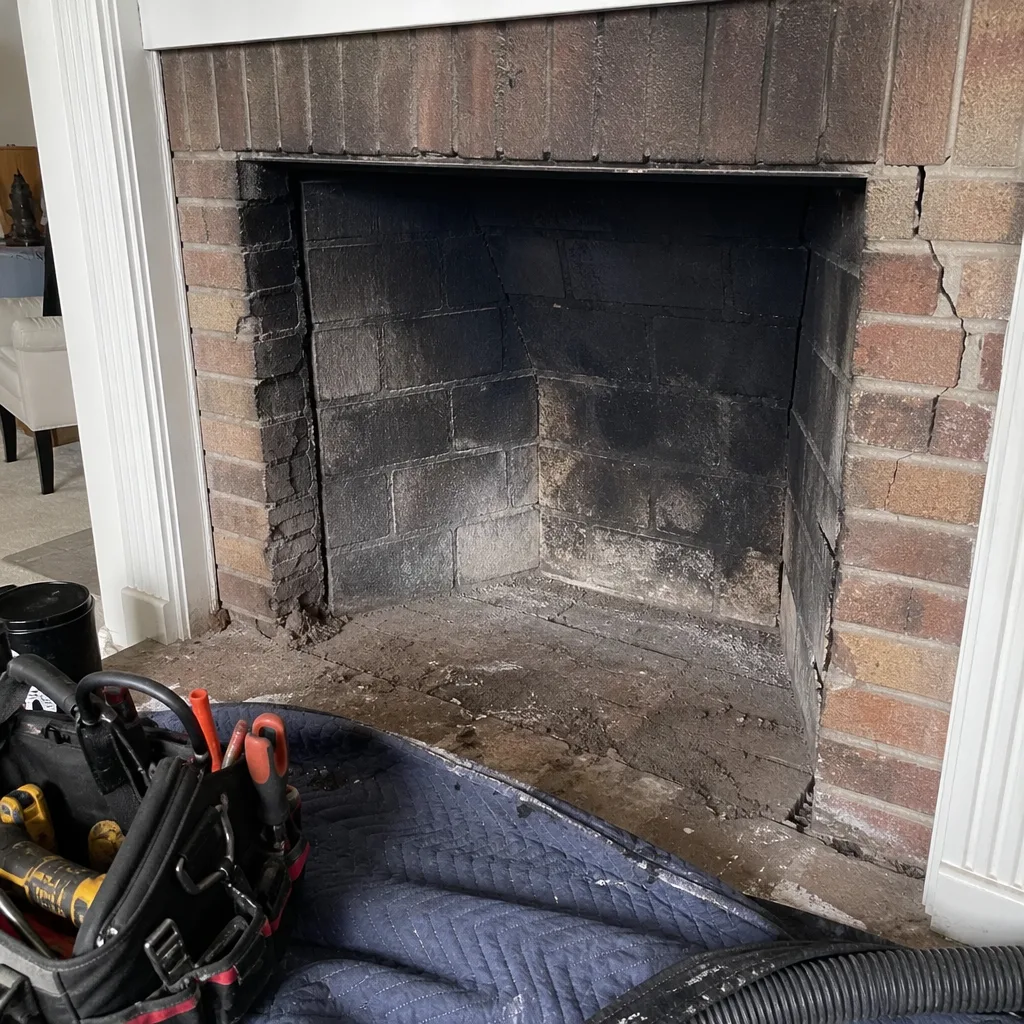 Before
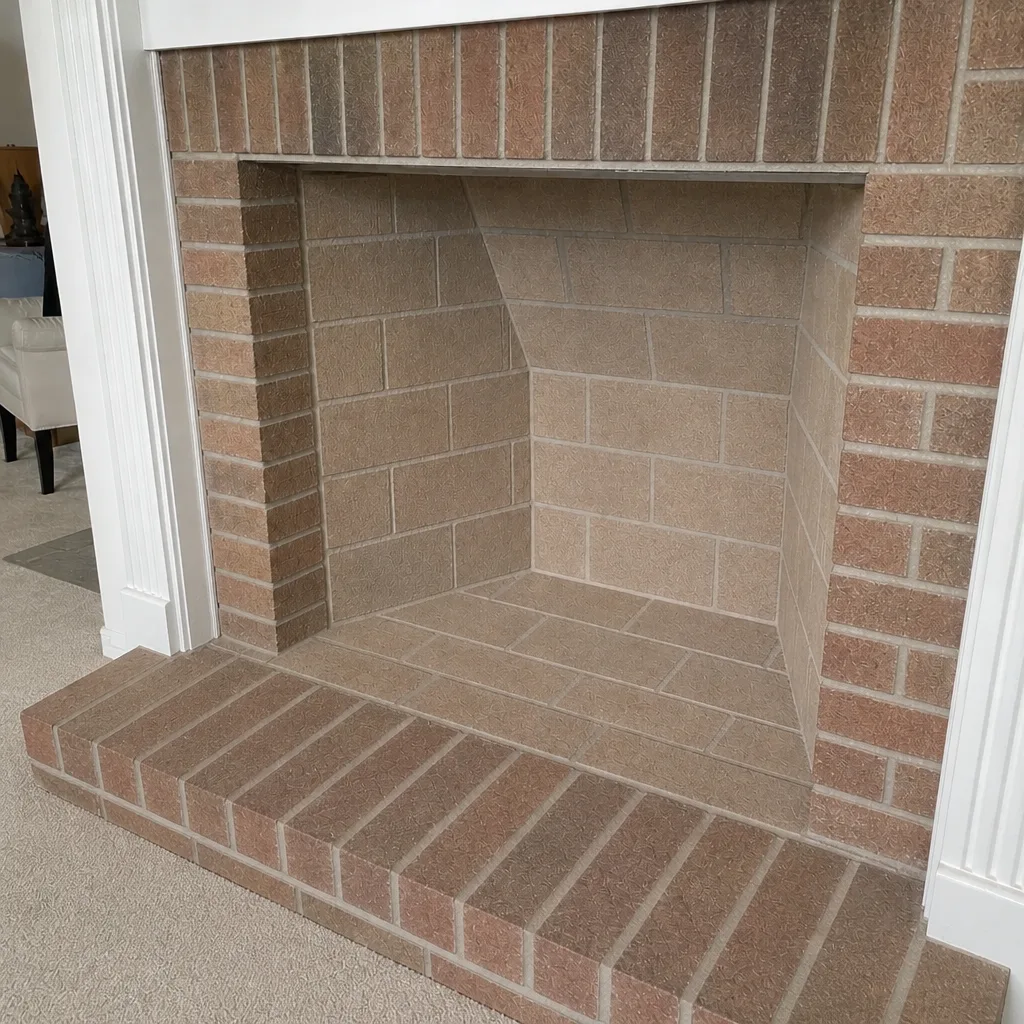 After
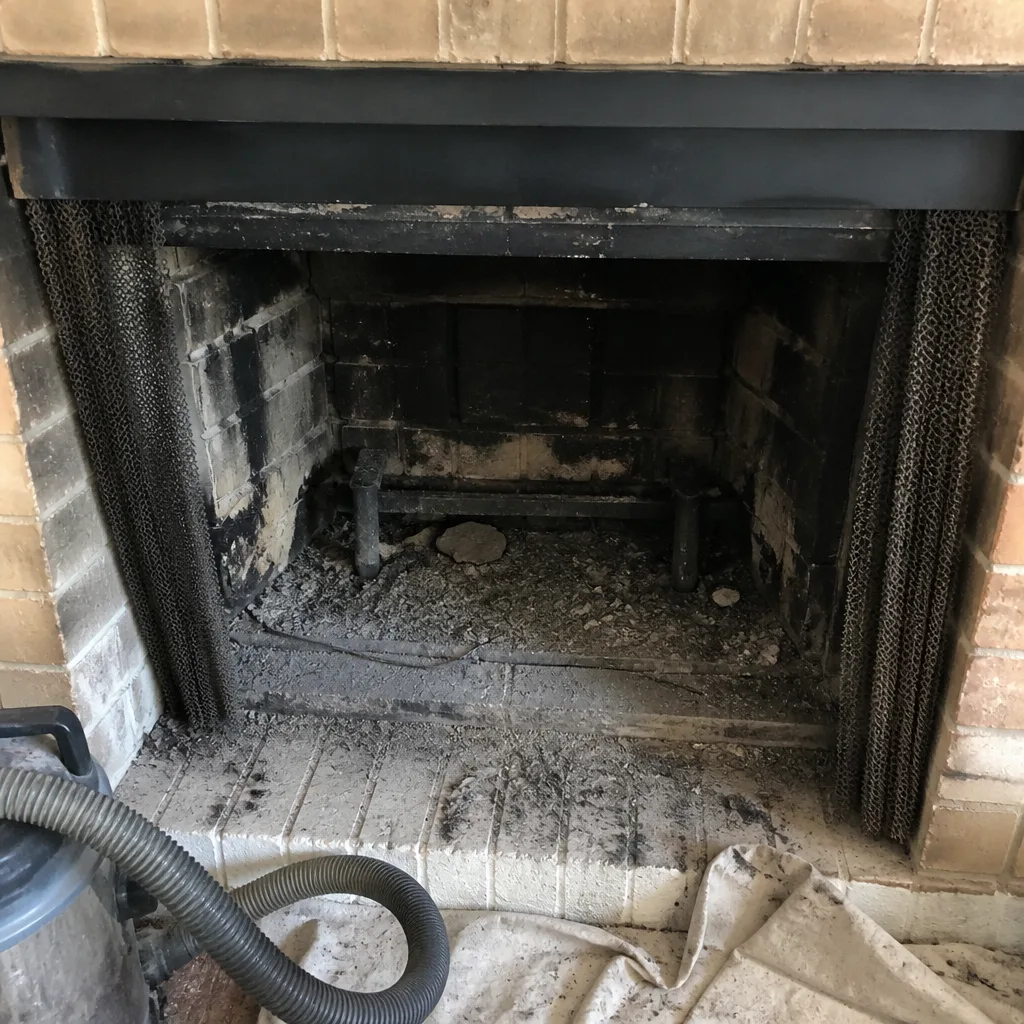 Before
 After
 Before
 After
When to Call a Professional
Call a chimney professional in Aurora when the scope is on the permit line or when you don’t know. That includes a home purchase or sale where a Level 2 inspection is needed, a liner replacement or crown reconstruction, a firebox rebuild, any appliance change, a chimney that hasn’t been swept in more than a year, or a fire that smokes, smells or won’t draft. Call before you sign a repair invoice that includes liner or structural work and doesn’t name a permit. Call before you buy a home with a chimney you haven’t had inspected. Our team handles sweep, inspection and repair in one visit, with a written report and photo evidence you can hand to an insurer or agent. Morningstar Chimney Sweep offers free estimates in Aurora – call (855) 368-2029.
Frequently Asked Questions
No. Routine chimney cleaning and sweeping is maintenance and doesn’t require a permit in Aurora. A Level 1, 2 or 3 inspection also doesn’t require a permit. The permit applies to the repairs a cleaning or inspection reveals, such as liner replacement, crown reconstruction, firebox rebuilds or structural changes. Call (855) 368-2029 for an exact quote on any repair – estimates are free.
Yes. Replacing or installing a flue liner, including a flexible stainless reline with DuraFlex or a cast-in-place application such as HeatShield, requires a building permit under Aurora’s adopted residential code. The permit is pulled before the work, and the work is inspected and the permit closed afterward. A contractor who relines without pulling the permit leaves you without a record. Call (855) 368-2029 for a written estimate that names the permit scope.
Code compliant means the physical installation meets the code: materials, clearances, flue sizing and connections. Permitted and inspected means Aurora’s building department reviewed and signed off on the work. A liner can be physically compliant and still have no permit, which is why the paperwork matters at resale and at insurance review. Ask for the permit number and the closed inspection record. Call (855) 368-2029 if you have a chimney with no paperwork and want to know where you stand.
Contact Aurora’s building records division with the property address and parcel number and request the permit history. You’ll get a list of permits pulled on the property with dates and descriptions. Look for permits on chimney, liner, flue, firebox, insert, wood stove or masonry repair, and confirm each was inspected and closed. If the work is visible on the chimney and no permit matches, an inspection can document the current condition and identify what a correction would involve.
A Level 2 inspection produces a written condition report that becomes a known material defect under Colorado’s seller disclosure rules. Once you have the report, you’re obligated to disclose what it says. Practically, that means getting the inspection before listing, disclosing the findings, and either correcting the defects or negotiating them with the buyer. The report itself is the documentation the buyer’s agent and inspector will ask for, so having it in hand puts you on the front foot. Call (855) 368-2029 to book a documented pre-listing inspection.
Creosote builds in the flue with each burn, and enough of it can fuel a chimney fire. A deteriorated liner or crown lets water into the masonry, and freeze-thaw damage in Aurora’s winters widens the cracks over time. A chimney that operates fine today can carry significant buildup or liner damage without visible symptoms. The sweep and the inspection are what catch those conditions before they become a repair. Call (855) 368-2029 to book a sweep and inspection – estimates are free.
The Bottom Line
Cleaning a chimney in Aurora is maintenance. Relining it, rebuilding its crown or firebox, or changing the appliance is permitted work. The line matters because unpermitted liner and structural work becomes the homeowner’s problem at resale and at insurance review, and because “code compliant” on an invoice doesn’t mean the work was permitted and inspected. A clean process looks like this: inspection first, a written report you can hand to anyone, a written estimate that names the permit scope, and a closed permit after the work. Our technicians have up to 8 years of experience across inspection, sweep and repair, and a professional materials lineup that includes DuraFlex, HeatShield, Copperfield and Famco. If you want to know exactly where your Aurora chimney stands, we inspect before we sweep and tell you what we actually found.
Contact Morningstar Chimney Sweep
If you’ve got a chimney with no paperwork, an inspection you can’t interpret, or a sale coming up and no level-2 report in hand, we can help. We inspect, sweep and repair under one roof in Aurora, and the report is yours. Call (855) 368-2029 for a free estimate. We answer 24/7. Fast dispatch from 7am to 7pm, Sunday through Friday.
Written by the team at Morningstar Chimney Sweep.