
Last updated November 16, 2026
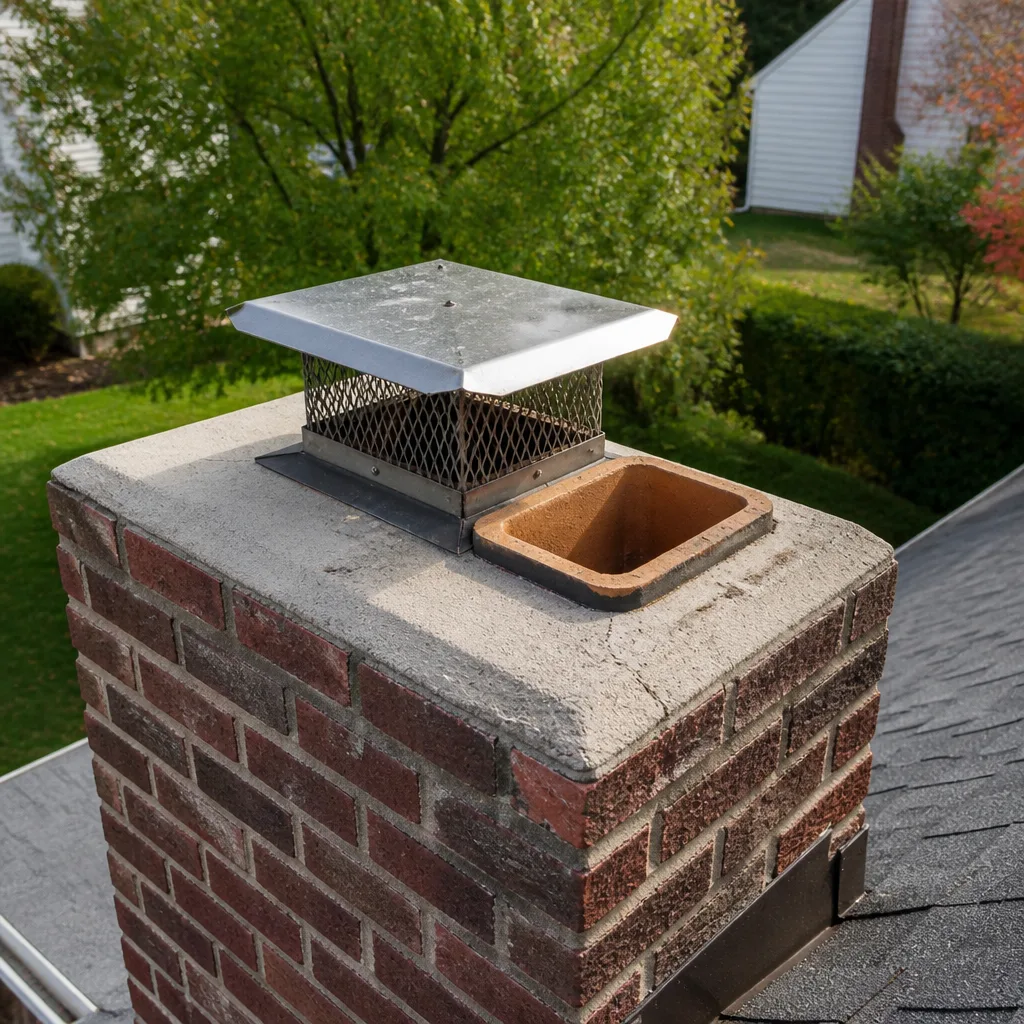 Sweep & inspection
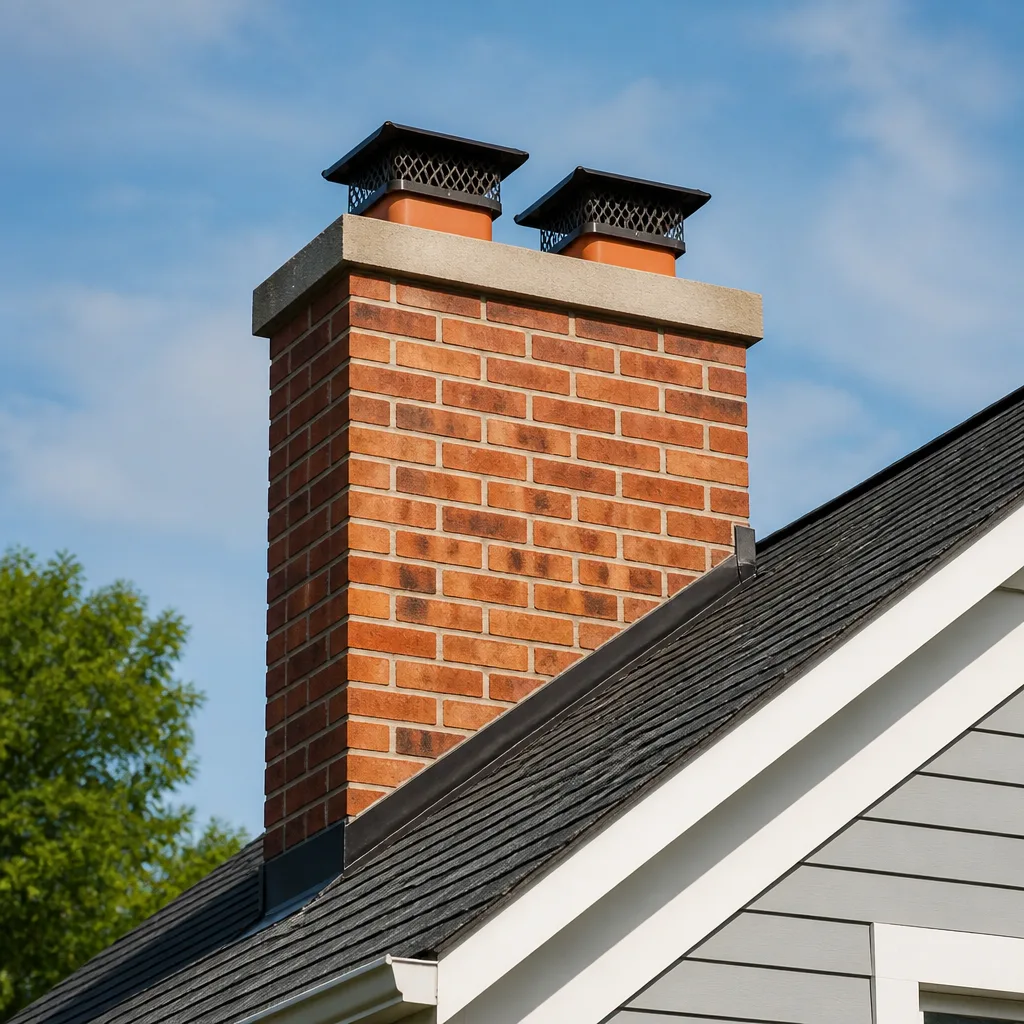 Caps & crowns
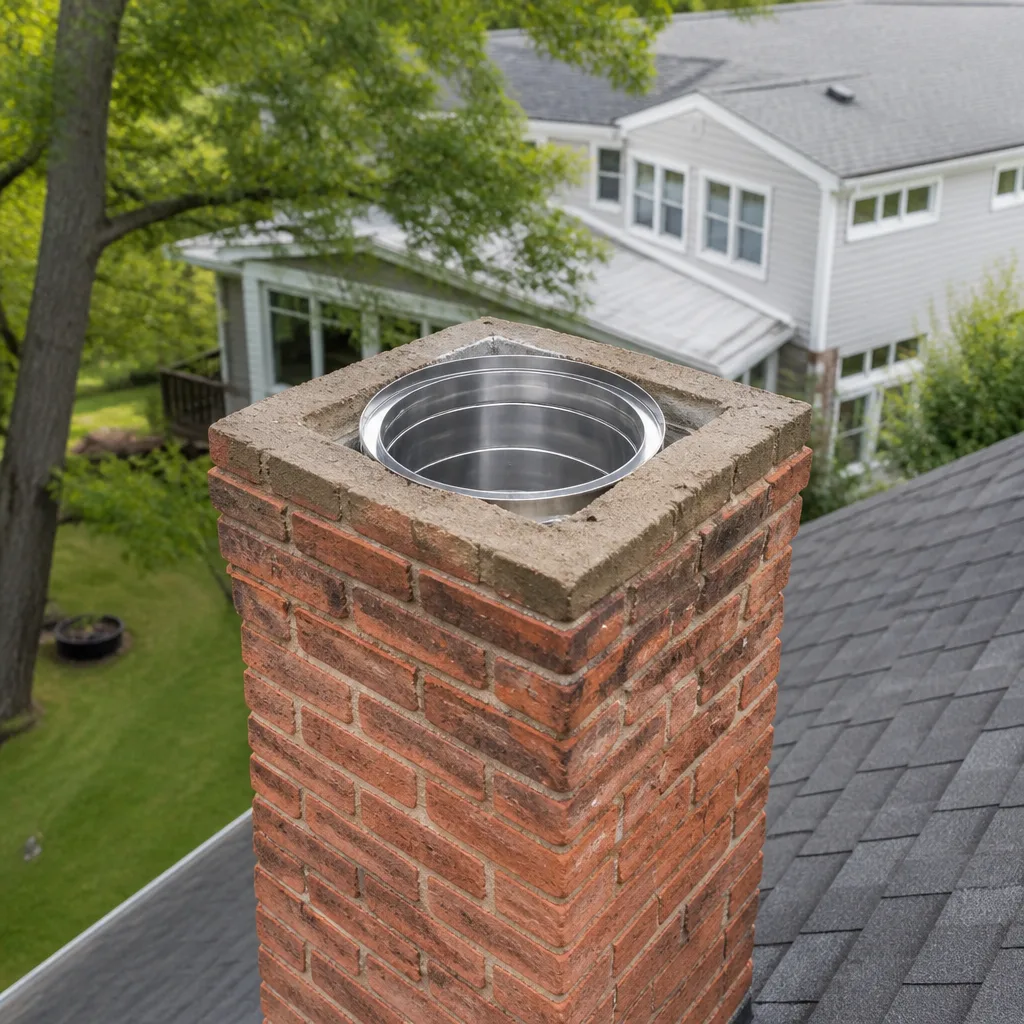 Flue relining
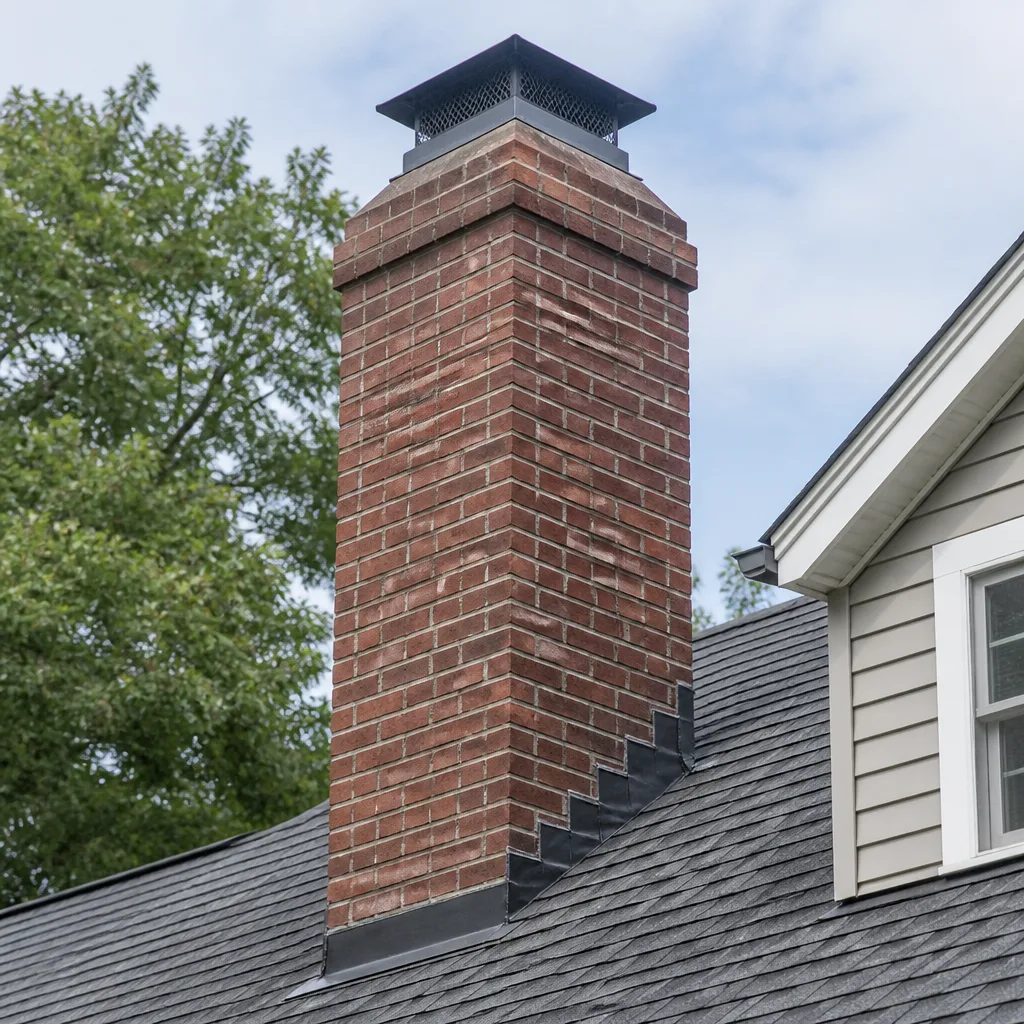 Masonry repair
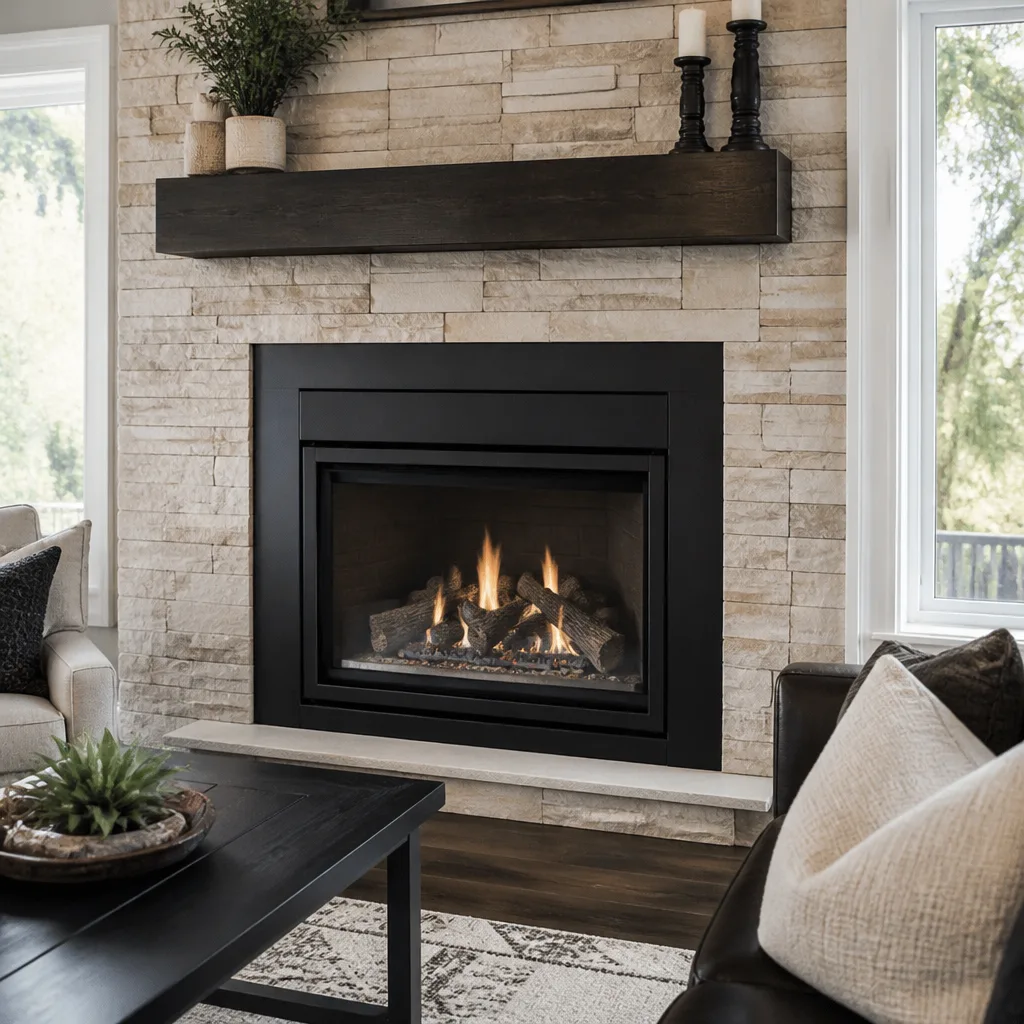 Gas fireplace service
Level 1 sweep and inspection to the NFPA 211 annual standard - flue, crown, cap, and flashing checked and photographed
Chimney sweep logs do not sweep chimneys. They loosen some creosote - which then falls where a brush and vacuum still have to collect it.
Chimney Sweep Maintenance Schedule: What to Do and When
The NFPA recommends annual chimney inspections, but that standard was written for average use. If you burned more than two cords of wood last winter, you’re already operating outside the assumption that recommendation is based on. Most homeowners in Aurora treat the annual sweep as a single box to check and forget about the flue for another twelve months. The truth is messier: fuel type, how often you burn, the age of your liner, and even the way your house sits against the Front Range wind all shift the calendar. What follows is a month-by-month framework built around how a chimney actually behaves in Aurora, not around what fits a service truck’s schedule. You’ll learn when to book each visit, what to check between them, how to track creosote buildup, and how to keep a service log that holds up when you sell your home.
Quick Answer
Most Aurora homes should schedule one professional chimney inspection per year and a sweep whenever creosote reaches about 1/8 inch on the flue wall, which for regular wood burners usually means once per heating season and for heavy burners sometimes twice. Book the pre-season service between late August and early October, before the first cold snap fills every sweep calendar on the Front Range. Gas inserts and pellet stoves still need an annual inspection even when they run clean, because the parts that fail are the ones you can’t see from the hearth.
Styles & brands we work with
- Sweep & inspection
- Caps & crowns
- Flue relining
- Masonry repair
- Gas fireplace service
Table of Contents
- How Fuel Type Changes Your Schedule
- The Best Pre-Season Window in Aurora
- What to Check Between Professional Visits
- Tracking Creosote Buildup From Your Burn Habits
- Do You Need One Sweep or Two This Year?
- Building a Service Log That Matters
- A Month-by-Month Aurora Maintenance Calendar
- Which Level of Inspection You Actually Need
How Fuel Type Changes Your Schedule
The single biggest mistake in chimney maintenance is treating every system the same. A wood-burning fireplace, a gas insert, and a pellet stove produce different amounts of residue and fail in different ways. Your schedule should follow the fuel, not the calendar on the fridge.
Wood-burning systems are the most demanding. Hardwood that’s properly seasoned still leaves creosote, and the rate depends on how hot you burn and how often you damp the fire down. A wood fireplace or wood stove used as supplemental heat through an Aurora winter typically needs a sweep once per season, and heavy users often need a mid-season sweep as well. The inspection is annual regardless.
Gas inserts and gas log sets don’t produce creosote the way wood does, but they can produce corrosive byproducts that attack the liner over time, and the burners, pilots, and venting need eyes on them every year. A gas appliance that hasn’t been inspected in several seasons can develop a blocked vent or a failing liner connection that’s invisible from the room.
Pellet stoves burn cleaner than cordwood, but the ash volume is real and the venting can clog. An annual cleaning and inspection is the floor here. Some pellet stoves with heavy use benefit from a mid-season cleaning of the exhaust path, especially when the stove runs continuously through January and February.
If you’re not sure which category fits your setup, or you’ve inherited a system you don’t fully understand, a documented inspection from Morningstar Chimney Sweep will tell you the fuel type, venting configuration, and current condition in plain terms.
The Best Pre-Season Window in Aurora
Late August through early October is the optimal window for a chimney sweep in Aurora. The reason is straightforward: that’s the gap between the end of summer and the first real cold snap along the Front Range, and it’s the last stretch when a sweep can be scheduled with some breathing room.
Wait until November and you’re competing with every other homeowner in Aurora who suddenly remembered the fireplace. Service calendars across the metro area fill up fast once the first hard freeze hits, and the wait for a non-urgent visit can stretch into weeks. Booking in September isn’t about convenience for the sweep. It’s about giving yourself a buffer so that if the inspection turns up something that needs repair, you have time to get it fixed before you need the fireplace.
Here’s how we think about the window in practice:
- Late August: call to book. This is when availability is widest and you can pick a time that works.
- September: inspection and sweep. Weather is mild, the chimney is dry, and repairs identified here can be scheduled well before the cold.
- Early October: any follow-up repair from the September visit gets finished.
- Late October onward: the system is ready for the season. You burn with confidence.
For homes with an older liner, a masonry chimney showing wear, or a fireplace that hasn’t been serviced in several years, the pre-season visit is even more important because there’s more likely to be work to do. That same window applies whether you’re in a 1950s ranch near Del Mar Parkway or a newer build out toward Southlands. The chimney’s age and construction differ, but the season doesn’t.
What to Check Between Professional Visits
You don’t need to climb on the roof to keep an eye on your chimney between professional visits. Three simple checks, done from the ground and from inside the house, catch most of the problems that develop between annual services.
From the ground
- Cap condition. Look up at the chimney cap from the yard. A missing, tilted, or rusted-through cap lets water and animals in, and both cause expensive damage fast. Caps from Gelco and Famco are the kind of professional-grade components we install because they last through Colorado hail and freeze-thaw cycles.
- Crown check. The crown is the concrete or mortar top that sheds water away from the flue. Cracks, crumbles, or a crown that’s pulling away from the flue are visible from the ground with binoculars. A failing crown is the most common entry point for water damage in Aurora chimneys.
- Exterior masonry. Discoloration, spalling brick, or white chalky stains on the outside of the chimney are signs of moisture or, in some cases, heat exposure. Either deserves a closer look at the next inspection.
From inside
- Smoke test basics. When you light the first fire of the season, watch the smoke. It should rise steadily up the flue. Smoke that curls back into the room, a fire that’s slow to draw, or a smell of smoke in the house after the fire dies down are all signs the flue may be restricted or the draft compromised. Don’t keep burning through a draft problem to see if it clears up.
- Damper operation. The damper should open and close smoothly. A damper that sticks open leaves heat escaping up the flue when the fireplace is off; a damper that sticks closed is a safety problem the moment you light a fire.
- Creosote visibility. Shine a flashlight up the flue from the firebox between cleanings. You’re looking for shiny, glazed buildup or heavy soot on the flue walls. Light soot is normal. Glazed creosote is not, and it’s the kind that needs professional attention.
None of these replace an inspection. They’re early warning. If any of them look wrong, that’s the moment to call rather than the moment to wait for the next annual visit. A lot of chimney repair in Aurora starts as a small exterior issue that could have been caught from the driveway.
Tracking Creosote Buildup From Your Burn Habits
Creosote is the tar-like residue that condenses on the inside of your flue as smoke cools. It comes in three forms, and only the first is easy to remove with a standard sweep. The second is crusty and harder to clear. The third is glazed and hardened, and it’s the form that most often leads to a chimney fire. The rate at which creosote builds depends on how you burn, not just how much.
Three habits accelerate buildup and shorten your sweep interval:
- Burning unseasoned wood. Green or damp wood produces more smoke and more creosote. Seasoned hardwood, split and dried, burns hotter and cleaner.
- Damping the fire down for long, slow burns. A smoldering fire sends cooler smoke up the flue, and cooler smoke deposits more creosote. Overnight burns in an airtight stove are the classic case.
- Burning low and slow in a cold flue. The first fire of the season, in a flue that hasn’t warmed up, deposits more than the fires later in the winter.
A homeowner who burns hot, seasoned wood and keeps the fire burning cleanly may only need one sweep per year. A homeowner who burns two or more cords, damps the stove overnight, and runs the fireplace as primary heat through January and February is a candidate for two sweeps: one pre-season and one mid-winter around late January or early February. If you’re in that second group, plan for two visits from the start rather than hoping one will do.
The clearest way to know is to ask for a photo of the flue at each visit. A documented sweep includes a camera inspection and a photo report, so you can see the buildup for yourself and compare it year to year. That comparison is how you tune your schedule.
Do You Need One Sweep or Two This Year?
If you burned more than two cords of wood last season, or you ran the fireplace as a primary heat source through the coldest months, plan on two sweeps. If you burned a cord or less and used the fireplace mostly for ambiance on cold evenings, one pre-season sweep is usually enough. The decision isn’t guesswork if you have documentation from the previous visit.
Here’s the framework we use to help homeowners decide:
- Count your cords. Less than one cord: one sweep, pre-season. One to two cords: one sweep, pre-season, with a check of the flue mid-season. More than two cords: two sweeps, one pre-season and one mid-winter.
- Look at your burn style. Hot, clean fires with seasoned wood: one sweep. Frequent overnight burns or damped-down fires: lean toward two.
- Check the previous report. If the last inspection found heavy buildup after a single season, the next season will be the same or worse unless your burn habits change.
- Account for the liner. An older, uninsulated clay tile liner accumulates creosote faster than a modern insulated liner. If your flue is on the older side, plan for the more frequent sweep.
- Factor in the season ahead. A colder, longer winter in Aurora means more burn hours, and more burn hours means more buildup. Plan accordingly.
One more factor that matters for Aurora specifically: the Front Range wind shifts can cause downdrafts on certain chimney configurations, and a chimney that’s constantly fighting a downdraft burns less efficiently and accumulates creosote faster. If your fireplace has ever smoked back into the room on a windy day, that’s a signal to inspect more often, not less.
Building a Service Log That Matters
A simple service log is one of the most useful records you can keep for your home. When you sell, buyers and their inspectors ask about the chimney. When your insurer asks for documentation of maintenance, a log answers in seconds. When a technician asks what was done last time and by whom, the log tells them without guesswork.
Here’s what a useful log entry should capture:
- Date of service and what was performed (sweep, inspection level, repair, installation).
- Who performed the work, including the company name.
- Findings: creosote level, liner condition, cap and crown condition, any defects noted.
- Parts replaced or installed, with the product name. “Cap replaced” isn’t enough. “Stainless cap with spark arrestor, Olympia Chimney” is.
- Photos, if the company provides them. A camera inspection and photo report is standard practice for us because it gives the homeowner an independent record.
- Next recommended action and the timeframe. “Sweep again in 12 months, no repairs needed” or “resurface flue with HeatShield, target before next heating season.”
Keep the log somewhere accessible, not buried in a file cabinet. A folder with the service reports and a one-page summary at the front is more useful than a stack of receipts. If you’re planning to sell in the next year or two, this log is worth creating now, because the buyer’s inspector will want to see it and a documented history is a selling point, not just paperwork.
Reports from a full-service chimney company make this easy because a single visit generates a single report covering the sweep, the inspection, and any repair recommendation in one place. That’s the practical reason we handle all three under one roof: no handoffs, no missing documentation between contractors.
A Month-by-Month Aurora Maintenance Calendar
The calendar below follows the Aurora heating season and the realities of scheduling in a Front Range metro. It’s a framework, not a rigid rule; adjust it to your fuel type and burn habits.
January through February. Peak burn season. Watch for draft problems, unusual smells, or smoke backing into the room. If you planned for a mid-winter sweep, this is when it happens for heavy wood burners. Keep an eye on the cap from the ground after any heavy snow.
March through April. The last fires of the season. Don’t wait until May to notice a problem. The final burn of the year is a good time to note any changes in draft, smell, or smoke behavior for the next inspection.
May through June. Off-season. This is the good time for repair work: masonry, crown repair, cap replacement, liner work. The chimney is dry, the weather is workable, and you’re not under pressure to get it done before the next fire.
July through August. Call to book your pre-season service. Late August is the sweet spot for getting on the schedule.
September through early October. The pre-season inspection and sweep. Any repairs identified here can be done before the cold arrives.
November through December. First fires. Run a smoke test, check the damper, and confirm the draft is clean. If anything feels off, don’t wait for the annual visit.
For homeowners new to Aurora, the season here is shorter than in some parts of the country but often more intense when it comes. The cold snaps along the Front Range can arrive fast, and they’re why the late August window matters more here than it might elsewhere. A chimney that’s ready in September is a chimney that works through the first hard freeze.
Which Level of Inspection You Actually Need
The chimney industry recognizes three levels of inspection, and knowing which one applies to your situation saves time and money. A sweep is not an inspection; the two are separate services and the best practice is to have both.
- Level 1. A visual inspection of the readily accessible portions of the chimney and venting, without tools that require disassembly. This is the standard annual inspection for a chimney with no known problems and no changes in the system.
- Level 2. A more thorough inspection that includes the accessible portions plus a camera examination of the flue interior. This is the appropriate level when you’ve changed fuel type, added or replaced an appliance, bought or sold a home, or had a chimney fire or seismic event.
- Level 3. The most detailed level, used when a Level 2 inspection identifies a problem that requires opening up concealed portions of the chimney. This is diagnostic, not routine.
Most Aurora homeowners, if they’ve had no changes and no known problems, are fine with a Level 1 plus a sweep each year. But if you’ve recently bought the house, or you’re converting a wood fireplace to a gas insert, or your insurer is asking for documentation, a Level 2 is the right call. It’s also what a real estate transaction typically needs, because the buyer wants to know what’s inside the flue, not just what’s visible from the roof.
It’s worth knowing which level you’re buying. Ask before the visit. A documented inspection should tell you the level performed, what was found, and what (if anything) needs to be done, all in writing. That’s the difference between a report you can hand to an insurer and a verbal “looks fine” that helps no one.
Common Mistakes to Avoid
- Treating the annual sweep as the whole schedule. A sweep clears the flue. An inspection tells you what condition it’s in. You need both, and a sweep without an inspection can miss a failing liner or a cracked crown.
- Waiting until November to book. This is the single most common scheduling mistake in Aurora. The pre-season window is late August to early October, and by November the calendars are already full.
- Assuming gas means you can skip service. A gas insert still needs an annual inspection to check the venting, burner, and liner. Gas systems fail quietly, and the failure is invisible from the room.
- Ignoring the cap and crown. Water is the most destructive thing that gets into a chimney. A missing cap or a cracked crown lets it in, and both are visible from the ground between visits.
- Burning unseasoned wood because it’s cheaper this fall. The savings on green wood come back as a more frequent sweep schedule and, in the worst case, as a glazed creosote problem that needs more than a standard cleaning.
- Making the decision from cost alone. A cheap sweep that doesn’t include inspection leaves you without documentation and without a real look at the flue. Ask what the visit includes before you book.
- Not keeping records. When you sell the house, when your insurer asks, when the next technician needs to know what was replaced last time, the log is the answer. Skipping it costs you later.
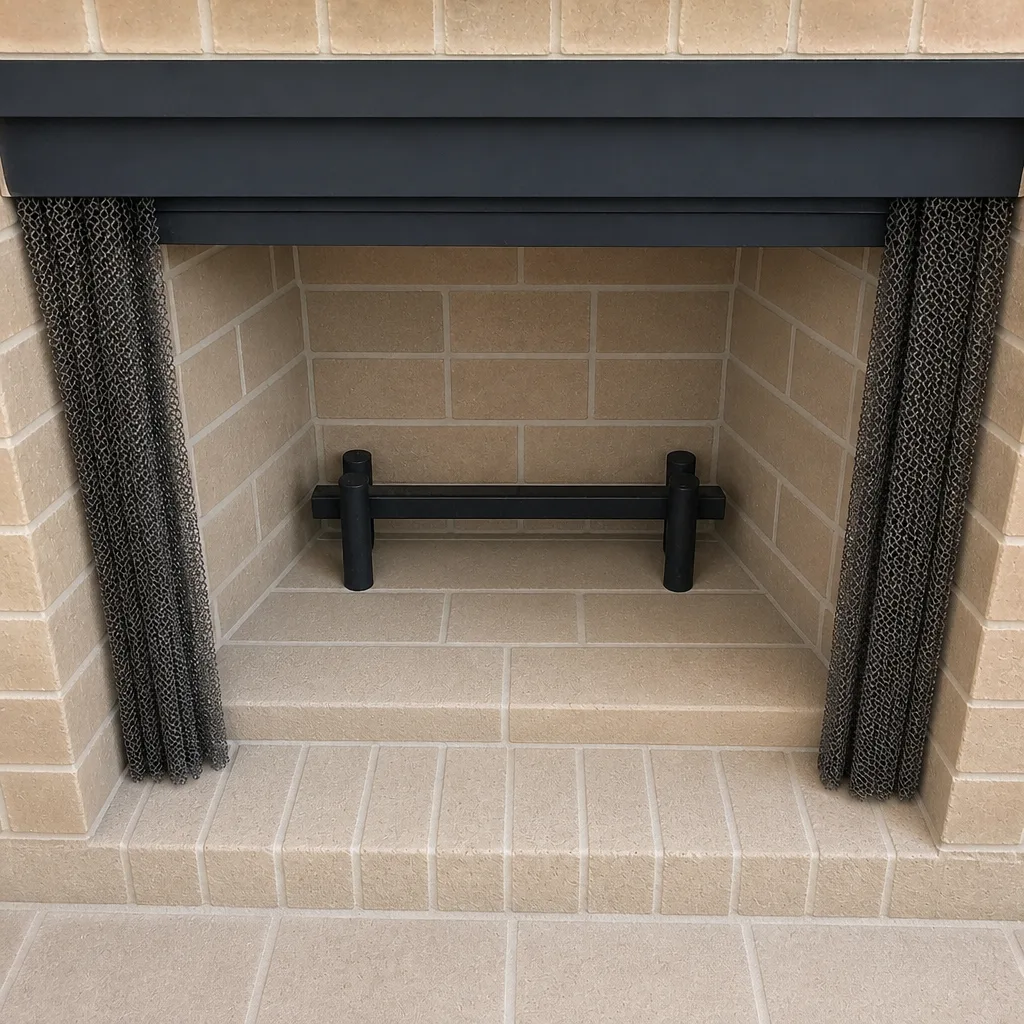
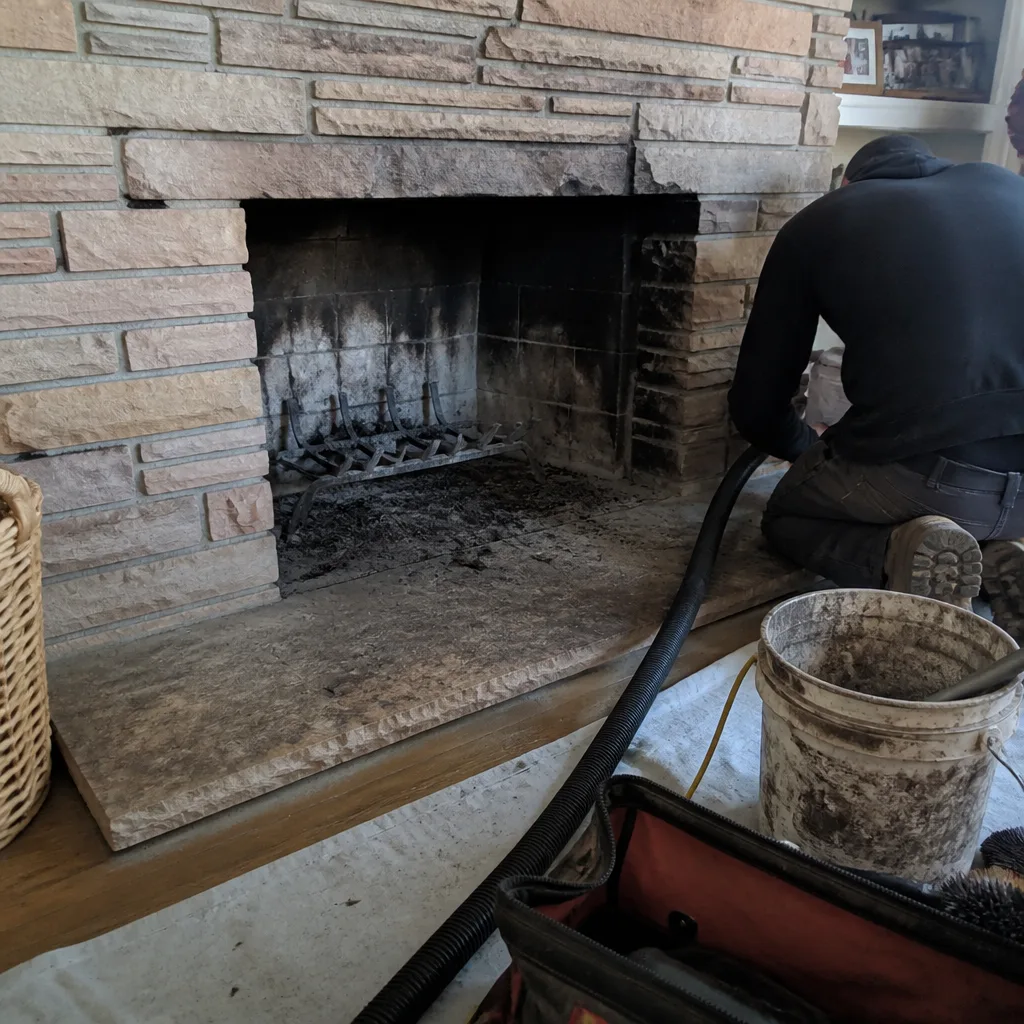
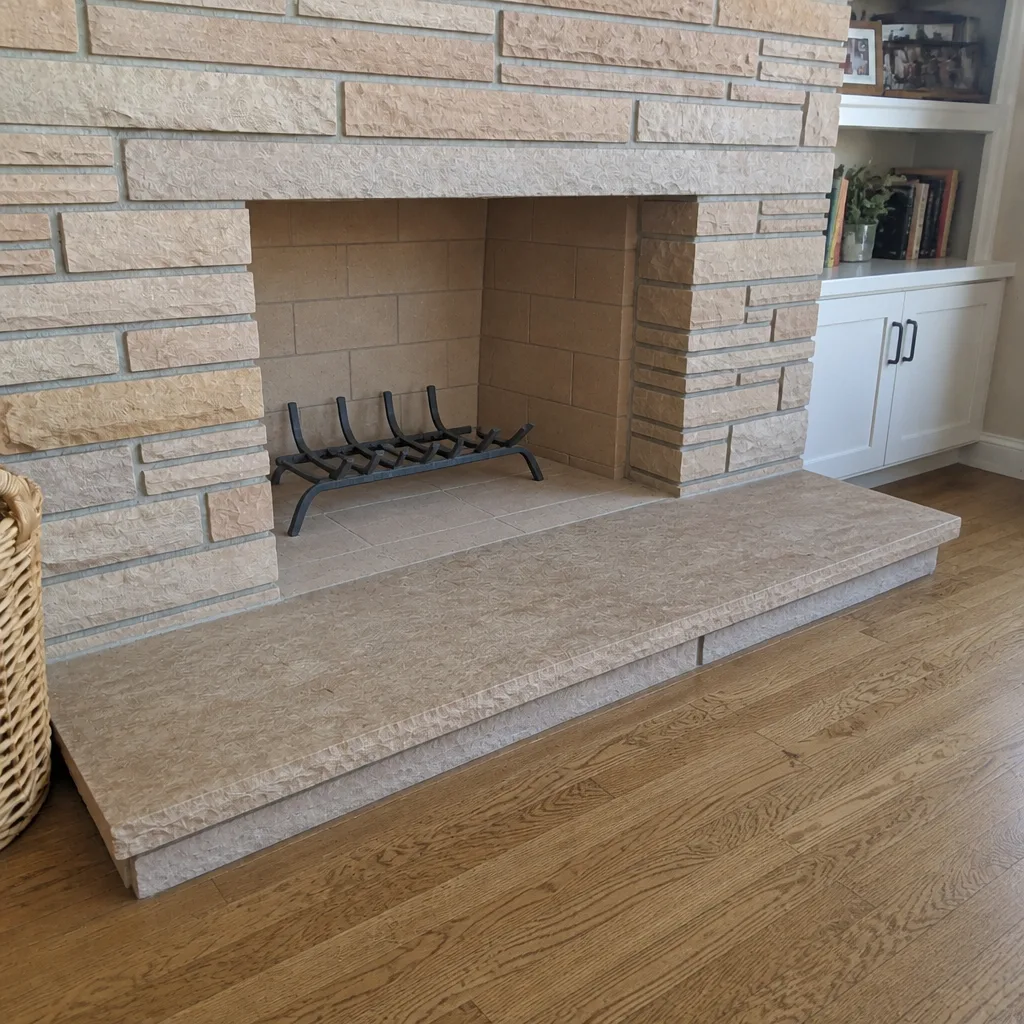
See the difference
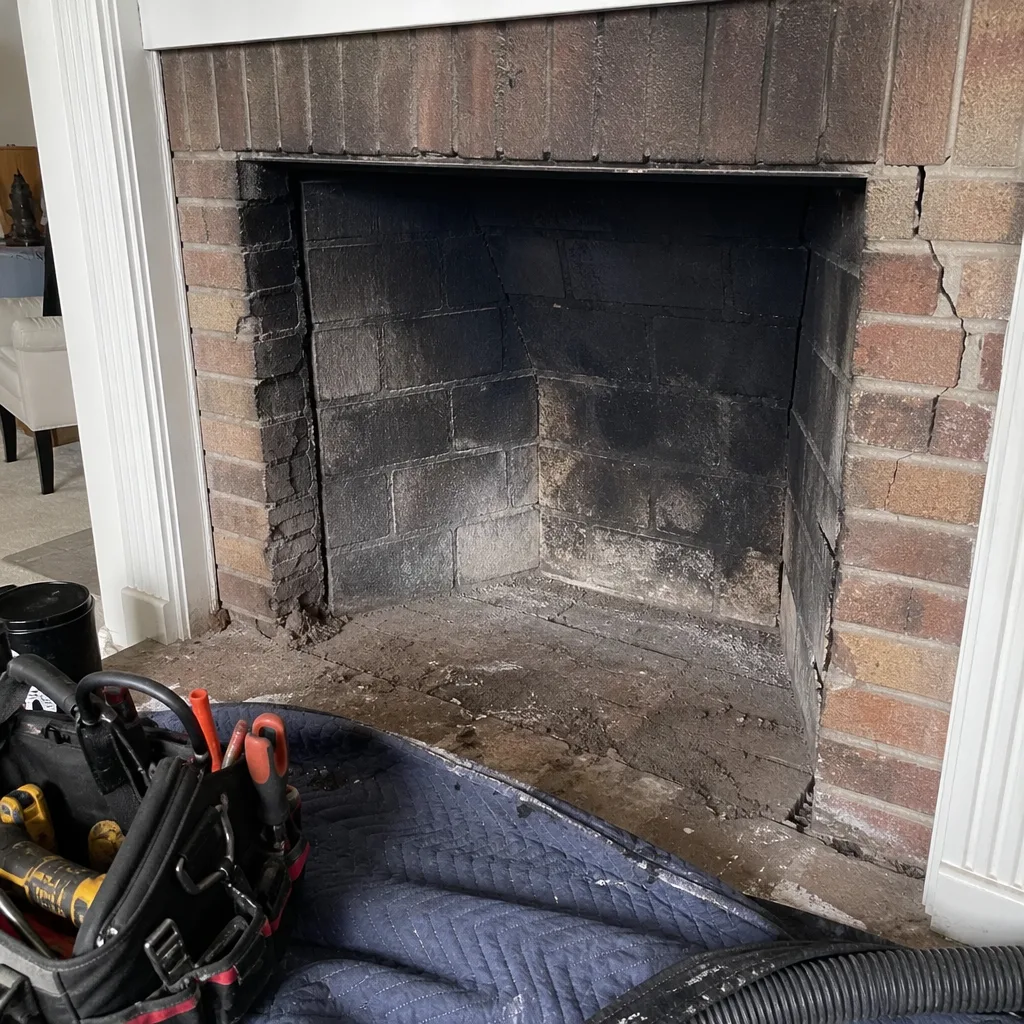 Before
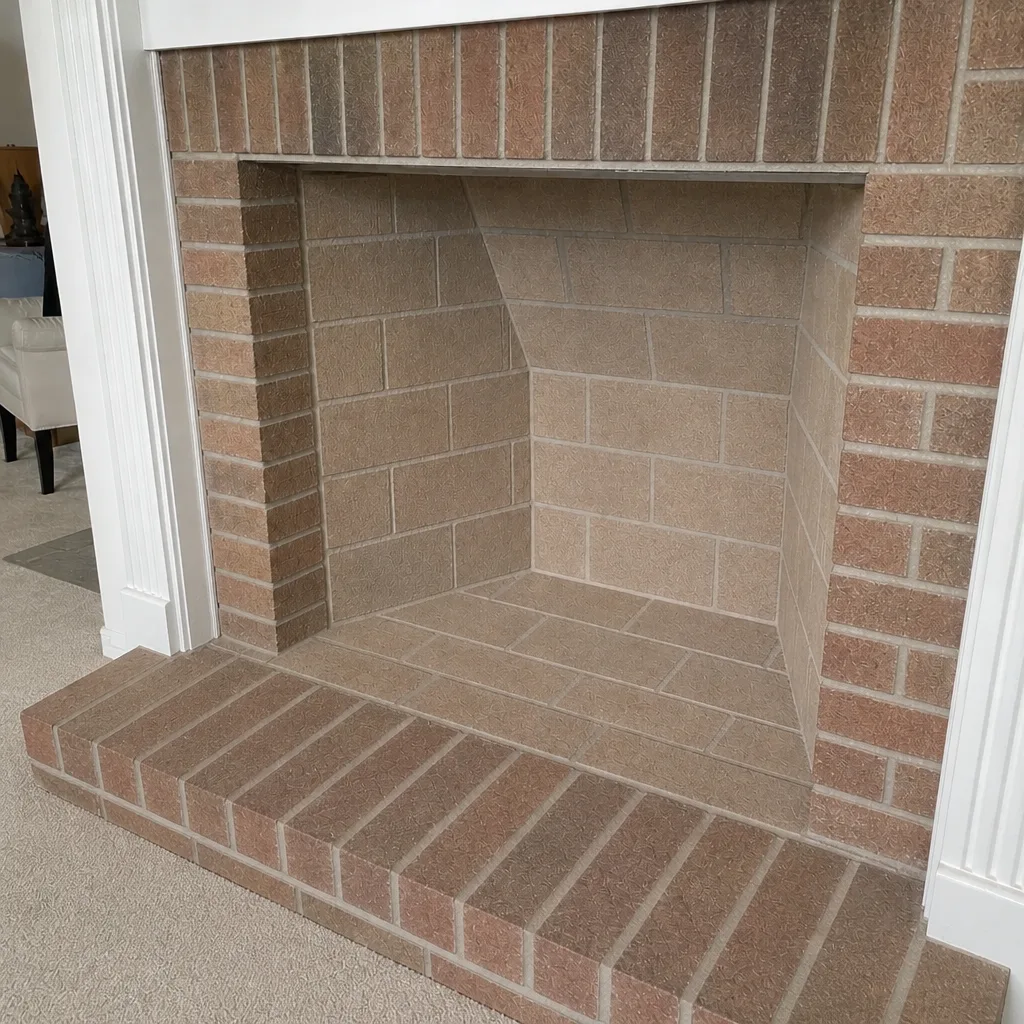 After
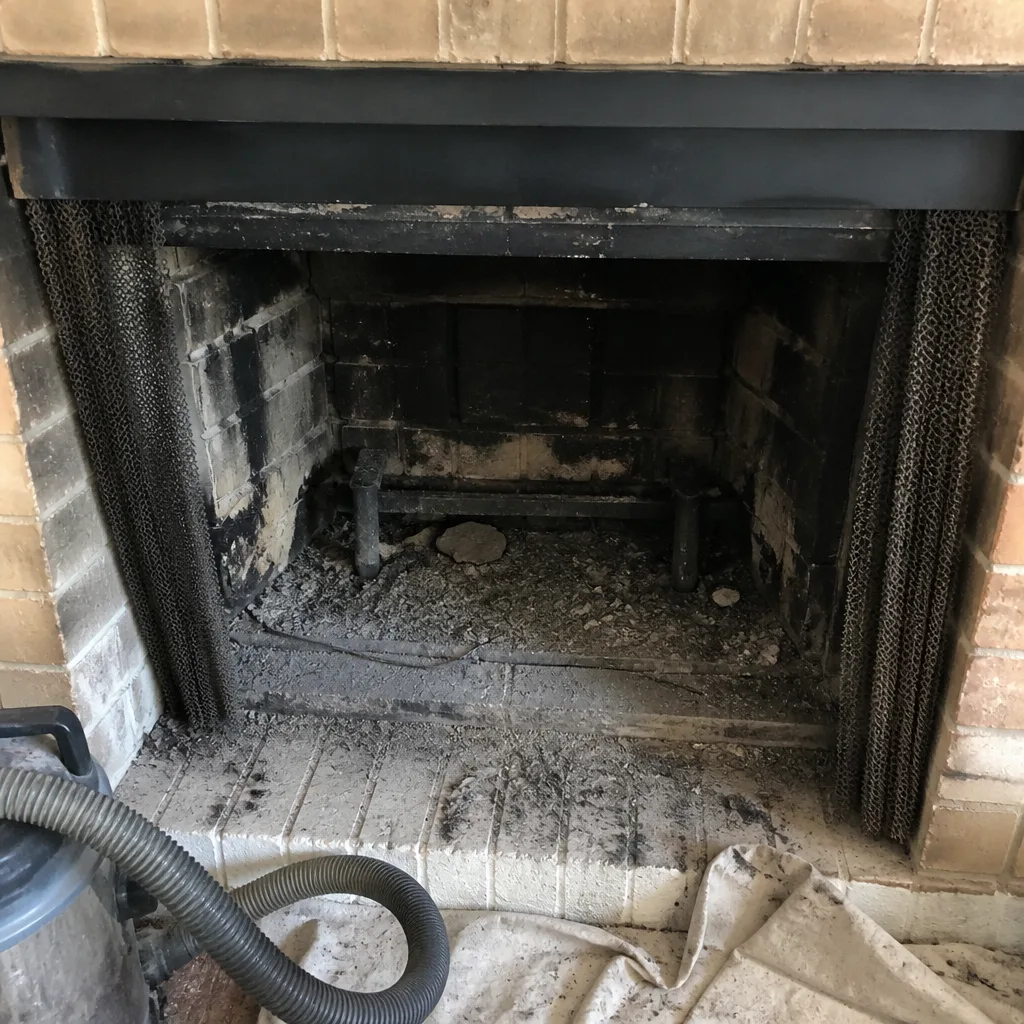 Before
 After
 Before
 After
When to Call a Professional
Call a chimney professional whenever the draft changes, smoke backs into the room, there’s a strong smell of creosote after a fire, the damper sticks, or you’ve had any kind of chimney fire, even a small one. Call before the first fire of the season if the chimney hasn’t been serviced in more than a year, and call before you close on a home if the inspection history is unclear. If the cap has blown off or the crown is visibly cracked, don’t wait for the annual visit. Water damage moves faster than most homeowners expect.
We answer 24/7. Fast dispatch from 7am to 7pm, Sunday through Friday. A call outside dispatch hours is booked into the next opening, Sunday through Friday, 7am to 7pm. Morningstar Chimney Sweep offers free estimates in Aurora, call (855) 368-2029. The inspection is documented, the estimate is written, and the records are yours to keep for your insurer, your real estate agent, or the next technician who touches the system.
Frequently Asked Questions
Once per heating season is the floor for most Aurora wood-burning homes, and homes that burn more than two cords of wood or run the fireplace as primary heat often need two. The deciding factor is creosote buildup on the flue wall, not a fixed calendar. If you don’t know your burn rate, a documented inspection will tell you what’s actually there. Call (855) 368-2029 for an exact quote, estimates are free.
Late August through early October is the best window. It’s before the first Front Range cold snap and before the November rush fills the service calendars. Booking in that window also gives you time to complete any repair identified in the inspection before the season starts. Call (855) 368-2029 to get on the calendar.
Yes. Gas inserts don’t produce creosote the way wood does, but they still need annual inspection of the venting, burner, and liner, because the parts that fail are not visible from the hearth. A gas system that hasn’t been looked at in several seasons is the one most likely to hide a problem. Call (855) 368-2029 for a documented inspection with a clear written account of what was found.
A sweep cleans the flue. An inspection evaluates the condition of the flue, cap, crown, and venting, and documents what was found. The two are separate services and both matter. A sweep without an inspection can miss a failing liner or a cracked crown that a Level 1 or Level 2 inspection would catch. Call (855) 368-2029 to book the service that fits your situation.
Count the cords you burned last winter, then look at your burn style. One cord or less with mostly hot, clean fires usually means one pre-season sweep. More than two cords, or frequent overnight burns with the stove damped down, usually means two. The previous year’s inspection report is the tiebreaker. Call (855) 368-2029 and we’ll talk through it before you book.
Three things: the cap from the ground, the crown for cracks or crumbling, and the firebox damper for smooth operation. A quick smoke test on the first fire of the season is also worth the two minutes. Any of these looking wrong is a reason to call rather than wait. Call (855) 368-2029 for an exact quote, estimates are free.
The Bottom Line
The annual sweep is the floor of a good maintenance schedule, not the ceiling. In Aurora, the right calendar depends on fuel type, how much you burn, and the age of your liner. Book the pre-season service between late August and early October. Plan for two sweeps if you burn more than two cords. Check the cap, crown, and damper between visits. Keep a log with dates, findings, and parts replaced, because that record matters at resale and with your insurer. And when something looks wrong, call before the next scheduled visit rather than after the next fire.
A Chimney Specialist Who Documents What They Find
A maintenance schedule only works if each visit produces a real record of what’s inside the flue. That’s why we inspect before we sweep, and why every service visit includes a documented condition report you can hand to an insurer, a real estate agent, or the next technician who sees the chimney. We stock and install professional-industry components: DuraFlex flexible liners for relining, HeatShield for resurfacing a deteriorated flue without full replacement, and caps and covers from Gelco and Famco. We’re a chimney specialist, not a general home-service company, and we handle the sweep, the inspection, and the repair under one roof, so there are no handoffs and no gaps in the documentation. For repairs across the metro, see our chimney repair services, and for the seasonal sweep itself, our chimney sweep. If you’re outside the city limits, the same schedule applies through our Aurora coverage area.
Call (855) 368-2029 for a free estimate. We answer 24/7. Fast dispatch from 7am to 7pm, Sunday through Friday. The written estimate sets the final price, and the report tells you exactly what was found, what was done, and what, if anything, still needs attention.
Written by the team at Morningstar Chimney Sweep.