
Last updated November 16, 2026
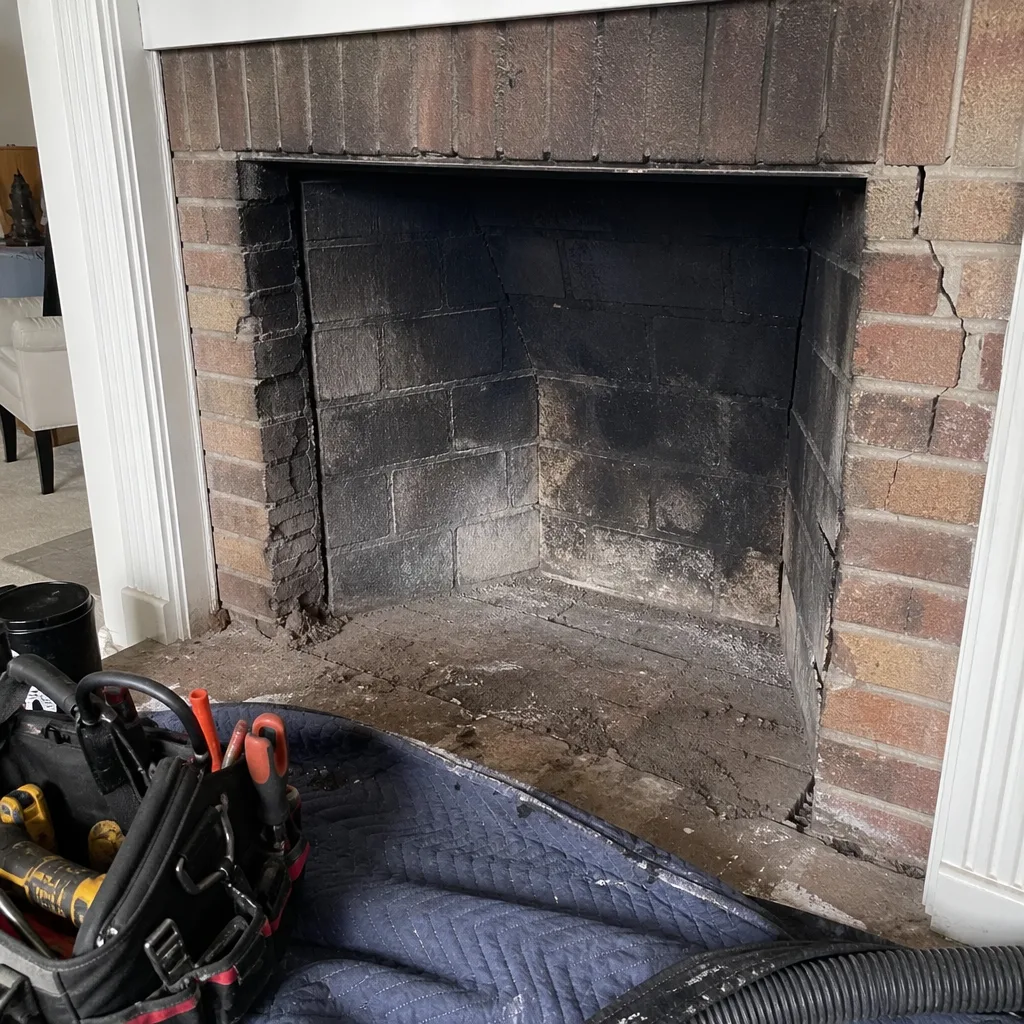
 Sweep & inspection
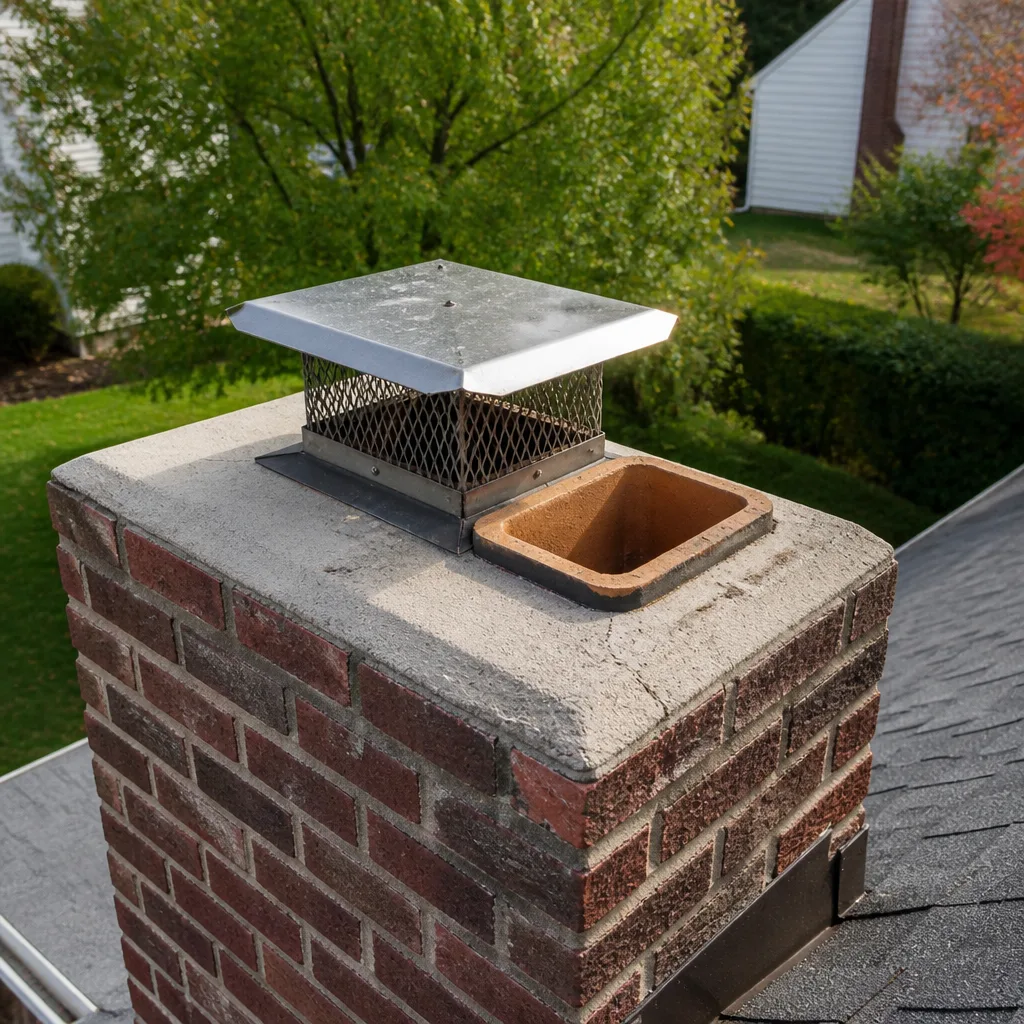
 Caps & crowns
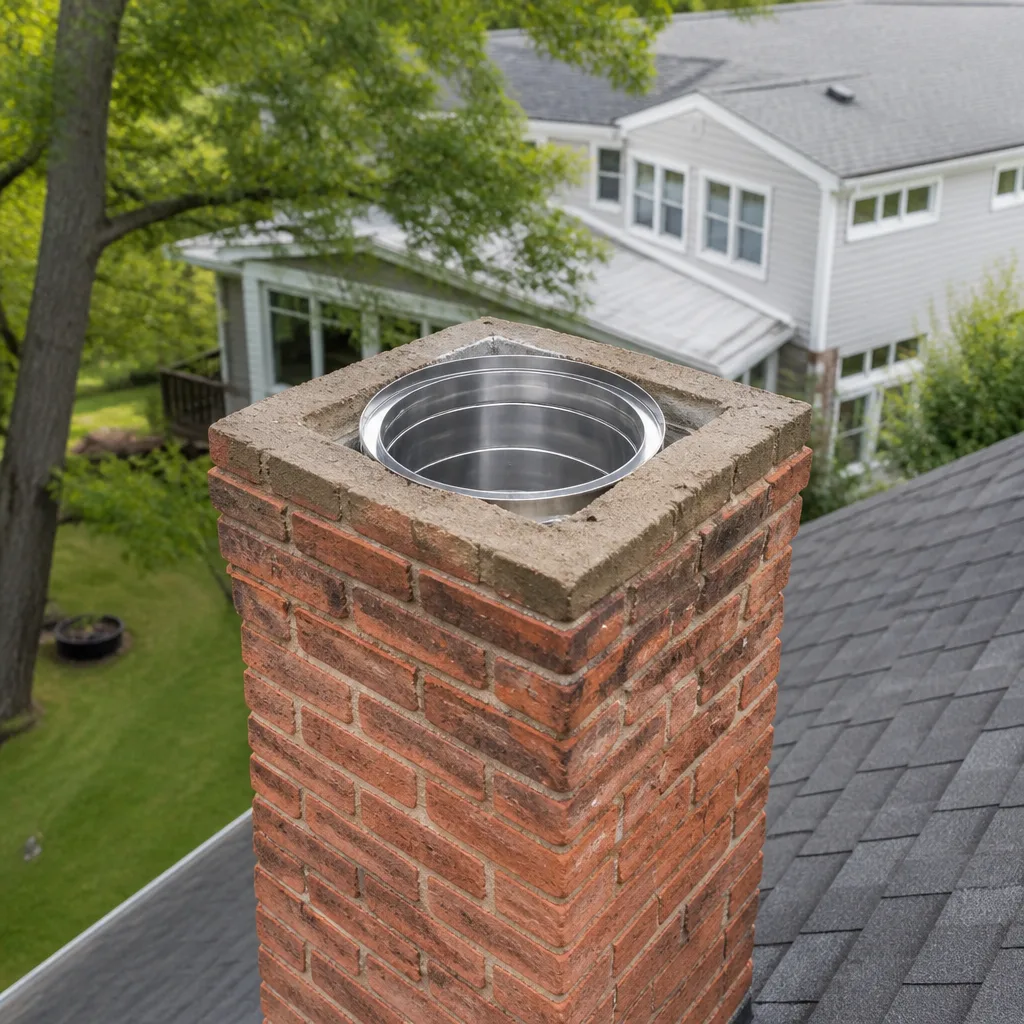 Flue relining
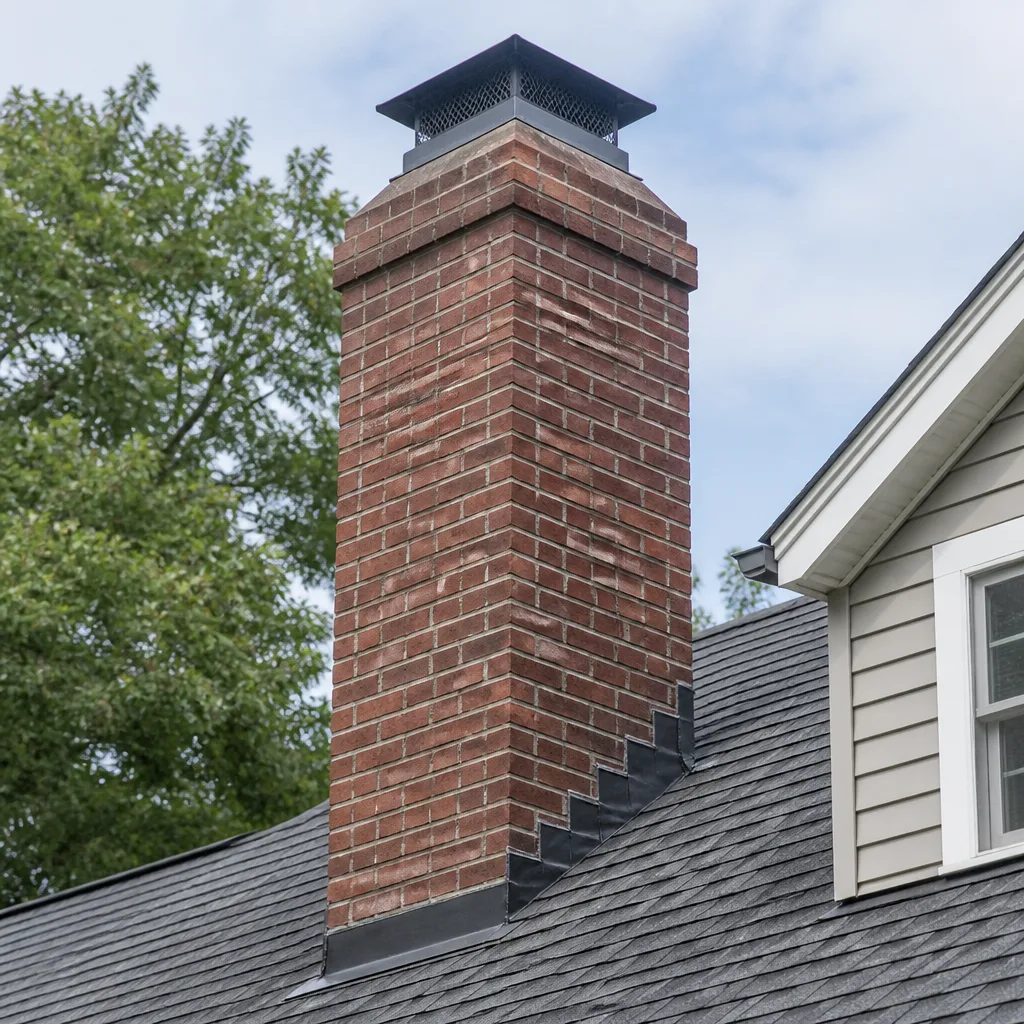 Masonry repair
 Gas fireplace service
Level 1 sweep and inspection to the NFPA 211 annual standard - flue, crown, cap, and flashing checked and photographed
Chimney sweep logs do not sweep chimneys. They loosen some creosote - which then falls where a brush and vacuum still have to collect it.
Choosing the Right Chimney Cleaning Brand: A Buyer’s Guide for Aurora
Two chimney crowns rebuilt in the same week can have completely different lifespans, and the difference often comes down to which sealant product went on top. One is rated for the freeze-thaw cycling that Aurora’s elevation throws at a roof every winter; the other isn’t. Read a standard service invoice and you’d never know which you got. That’s the gap this guide fills. Most homeowners shop for a chimney company by price and a friendly voice, when the products behind the work matter just as much as the person holding the brush. We’ll walk through the professional product categories, why brands differ, how to ask the right questions, and what a good answer sounds like in Aurora.
Styles & brands we work with
- Sweep & inspection
- Caps & crowns
- Flue relining
- Masonry repair
- Gas fireplace service
Quick Answer
The right chimney cleaning brand isn’t the cheapest one; it’s the company that can name the professional-grade products it uses, explain why each one suits Aurora’s high-altitude freeze-thaw climate, and source from the same supply chain that certified chimney professionals use nationwide. Ask about liner systems, caps, creosote treatments, and crown sealants by name. A contractor who can answer specifically is giving you a durable job, not just a clean flue.
Table of Contents
- Why the Products Behind the Sweep Matter
- The Four Product Categories That Decide How Long a Job Lasts
- Why Aurora’s Elevation and Freeze-Thaw Cycling Change the Spec
- How to Ask a Contractor What Products They Use
- Red Flags in Material Sourcing
- What a Professional Supply Chain Actually Means for Longevity
- Matching the Right Product to the Right Service
- Common Mistakes to Avoid
- When to Call a Professional
- Frequently Asked Questions
- The Bottom Line
Why the Products Behind the Sweep Matter
A chimney sweep is a service, but it’s also a delivery mechanism for materials. The brush that scrubs your flue, the treatment that loosens creosote, the cap that keeps rain and animals out, the sealant that closes a crown, and the liner system that keeps combustion gases inside the flue: each of these is a product with a spec sheet, and each one performs differently depending on who made it. Homeowners rarely see any of this. They see a clean fireplace and an invoice, and they assume the rest is standard.
It isn’t standard. There’s a real difference between professional chimney supply and the shelf at a big-box retailer. Professional brands are built for the conditions a chimney actually sees: sustained heat cycling, acidic condensate, and in Aurora’s case, sharp swings between freezing nights and mild afternoons. Retail-grade patches are built for occasional, light-duty repair. When we explain to a homeowner why a HeatShield resurfacing job outlasts a store-bought patch, we’re not upselling. We’re describing a difference in materials that shows up years later.
This is why we approach every job by inspecting before we sweep. Once you know what’s actually failing, you can match the right product to it instead of guessing. For the broader picture of how our full Morningstar Chimney Sweep approach works, the inspection-first sequence is the foundation of everything else.
- Brushes and rods are sized to the flue; a mismatched brush can score a clay liner.
- Creosote treatments loosen stubborn glazed deposits so they can be removed rather than spread.
- Caps and covers are the first line of defense against water and wildlife.
- Crown sealants decide whether the top of the chimney survives a Colorado winter.
- Liner systems keep the whole assembly code-compliant and safe.
The Four Product Categories That Decide How Long a Job Lasts
When someone searches for chimney cleaning products brands in Aurora, they usually want to know what the pros actually use. Here’s the honest breakdown, category by category, with what each product does and why the brand matters.
Liner Systems
The liner is the most consequential product in chimney work. It carries combustion gases up and out, and when it cracks or deteriorates, the whole chimney is compromised. Two approaches dominate the professional market. Flexible stainless liner systems, like DuraFlex, are the industry standard for safe relining when the original flue is failing. HeatShield is a different tool: a specialist-only resurfacing system that restores a deteriorated flue liner from the inside without a full liner replacement. That distinction matters. If a contractor only offers full relines, you may be quoted a bigger job than necessary because resurfacing isn’t in their toolkit.
Chimney Caps and Covers
A cap does more work than most homeowners realize. It keeps rain out of the flue, stops birds and squirrels from nesting, and reduces the spark risk that comes with an open chimney top. Gelco and Famco are two professional cap and cover lines that fit a range of flue sizes and styles. A generic hardware-store cap can do the job for a while, but fit and material quality determine whether it still sits correctly after a few Aurora winters.
Creosote Treatments
Creosote is the residue left behind by wood smoke, and it comes in stages, from light soot to glazed, tar-like deposits that are difficult to remove and burn hot when they ignite. Chemical treatments loosen these deposits so the sweep can clear them completely rather than chip at the surface. Brand and formulation matter here because the wrong treatment can leave residue or fail to break down glazed creosote at all.
Crown Sealants
The crown is the concrete or mortar cap at the very top of the chimney, and it takes the worst of the weather. Crown sealants are formulated for flexibility, adhesion, and freeze-thaw resistance. A sealant rated for mild climates can fail in the first hard Aurora freeze, cracking and letting water into the masonry below. The product on the crown is often the difference between a chimney that lasts decades and one that needs rebuilding.
Why Aurora’s Elevation and Freeze-Thaw Cycling Change the Spec
Aurora sits on the high plains east of Denver at roughly 5,400 feet, and that elevation shapes what a chimney goes through. Days can warm well above freezing while nights drop below it, and that cycle repeats through much of the winter and early spring. Water gets into masonry, freezes, expands, and works the material loose. Repeat that cycle a hundred times in a season and you have a chimney that’s quietly coming apart at the joints, the crown, and the flue tile.
This is why materials rated for high-altitude freeze-thaw cycling are not optional here. Industry standards like the ASTM specifications for masonry and sealant products describe how a material performs under repeated thermal cycling and moisture exposure. A product built to those standards holds up. A product that meets a lower bar, or a generic substitute without a clear spec, may look identical on installation day and fail within a couple of winters. Homeowners in Aurora neighborhoods like Southlands, Heather Gardens, and the older streets near Del Mar Park all face the same climate pressure, even though their chimneys differ in age and construction.
Altitude adds a second wrinkle: combustion behaves differently at elevation, and draft can be weaker. That’s part of why a proper inspection matters before anything is installed. We inspect before we sweep, and the findings shape which products make sense for a particular flue. Our chimney sweep service in Aurora always starts from that inspection so the recommendation matches the actual condition of the chimney, not a generic checklist.
What Freeze-Thaw Cycling Does to a Chimney
- Moisture enters small cracks in the crown, mortar joints, or flue tile.
- Overnight temperatures drop below freezing and the moisture expands.
- The expansion widens the crack slightly.
- Daytime warmth thaws the ice, and more moisture enters the widened crack.
- The cycle repeats, and the damage compounds over a season.
The fix isn’t heroic. It’s using materials built for the cycle, applied correctly, before the damage gets deep. A quality crown sealant applied to a sound crown slows the process dramatically. A poor one doesn’t.
How to Ask a Contractor What Products They Use
Most homeowners don’t know they’re allowed to ask. You are, and a good contractor will answer without hesitation. The question isn’t meant to be a test; it’s meant to help you compare quotes on something more useful than price alone. Here’s a short script you can use.
- Ask which liner brand they install if a reline is on the table. “DuraFlex” or a named professional line is a good sign. “Equivalent” or “whatever’s available” is not.
- Ask what cap and cover brand they use for replacements. Gelco, Famco, and Olympia Chimney are common professional names; a specific answer lets you research the product.
- Ask what they use for crown repair and whether it’s rated for freeze-thaw cycling. If they don’t know, that’s your answer.
- Ask whether they can resurface a flue liner rather than only replace it. If the answer is no, ask why not.
- Ask where they source materials. Professional chimney supply and retail hardware stores are different channels, and the difference shows in the product.
- Ask for the written estimate to name the products. A good estimate lists the materials, not just the labor.
Interpret the answers with one principle in mind: a contractor who can name products is a contractor who has thought about them. A contractor who deflects is telling you the products aren’t part of their decision-making, which usually means price was the deciding factor at the supply house.
What a Good Answer Sounds Like
A strong answer names the product, explains why it was chosen, and connects it to your chimney’s actual condition. “We’d use HeatShield on this flue because the tile is spalling but hasn’t failed structurally, so resurfacing preserves the liner and saves you a full replacement” is a good answer. “We’ll use a liner” is not. The same standard applies to caps, sealants, and treatments.
Red Flags in Material Sourcing
Most chimney work is honest, but a few sourcing habits are worth watching for. None of these is automatically disqualifying on its own, but together they suggest a contractor who treats materials as an afterthought.
- They can’t name their liner brand. A pro who installs liners regularly knows the brand. If they don’t, they probably don’t install many.
- They say “equivalent” without a spec. “Equivalent” is a word that hides a lot. Ask for the actual product spec or brand name.
- They source from a retail hardware store. Big-box patches and caps are fine for a temporary fix, but they’re not built to the same standard as professional chimney supply.
- They quote a full reline without offering resurfacing. Sometimes a reline is genuinely the right call. But if resurfacing was never mentioned, ask why not.
- They hand you a one-line invoice. No product names, no line items, just a total. That’s not enough to verify what you paid for.
- They guarantee a lifespan in years. No honest contractor guarantees a chimney will last a set number of years; conditions vary too much. A specific, named product spec is a better signal than a promise.
- They upsell on the first visit without documentation. A camera inspection and a condition report should come before any repair recommendation.
What a Professional Supply Chain Actually Means for Longevity
Professional chimney supply isn’t a single store. It’s a network of distributors that sell to contractors who serve the trade nationally, including many who hold certified professional status. When a company sources from that network, it’s buying the same materials that show up in serious chimney work across the country. That matters for one practical reason: those products have been vetted by professionals with jobs on the line, and their performance in real installations is well understood.
At Morningstar, we stock and install DuraFlex liner systems, HeatShield resurfacing, Gelco and Famco caps and covers, Olympia Chimney products, and Copperfield materials. That’s not a brand checklist; it’s the set of tools we chose because we do this work every day and those products hold up. We’re a chimney specialist, not a general home-service company, and the products reflect that focus. When you hire a contractor whose main business is something else, they may not have the same familiarity with these materials. Our chimney repair work reflects the same supply chain, so a repair and a sweep from us draw from the same professional-grade pool.
What Longevity Actually Looks Like
It doesn’t look like a warranty card. It looks like a cap that still fits snugly after five Aurora winters, a crown that hasn’t cracked at the seam, a liner that still passes a camera inspection years after installation. Those are the outcomes professional materials are chosen for. They’re also the outcomes a homeowner can check on later, which is why we document what went in.
Matching the Right Product to the Right Service
The three core chimney services (sweep, inspection, and repair) each draw on different products, and a company that handles all three can match them without handing you off. Here’s how the pairing typically works.
Sweeping
A sweep uses brushes sized to the flue, and sometimes a chemical treatment to loosen glazed creosote before the brush goes in. The product choice here is mostly about not damaging the liner; an oversized brush on a soft clay tile is a real risk. After the sweep, the inspection findings determine whether anything else is needed.
Inspection
Inspection isn’t a product category, but it’s the step that decides which products get used. A camera inspection shows the condition of the flue, the crown, the cap, and the firebox, and it produces a documented condition report you can keep. Homeowners in Aurora who need a report for an insurer, a real-estate agent, or a fire marshal should ask what the inspection documentation includes before booking.
Repair
Repair draws on the full product list: liner systems, caps, crown sealants, and resurfacing compounds. The order of operations matters. A crown sealant applied over a wet or crumbling crown won’t hold. A cap fitted to a flue with a failing crown just protects a chimney that’s still leaking underneath. Matching the repair to the actual condition is the whole job, and it’s why we inspect before we recommend.
If you’re comparing providers across Aurora, it helps to look at the whole service picture rather than a single visit. A company that does all three services in house removes the coordination problem that comes with hiring one contractor to sweep and another to repair. Learn more about how the company approaches Aurora chimney work, including what a visit typically covers.
Common Mistakes to Avoid
- Choosing on price alone. The lowest quote often reflects the cheapest materials, and in a freeze-thaw climate the gap shows up fast. Ask what the price includes in product terms before comparing.
- Not asking about the liner brand. If a liner is being installed, you’re entitled to know the brand. A contractor who can’t tell you is a contractor who hasn’t thought about it.
- Accepting “equivalent” as a material description. Equivalent to what, and by what spec? Ask for the product name. If the answer is vague, treat it as a red flag.
- Skipping the inspection to save time. A sweep without an inspection is a guess. You don’t know what’s going on inside the flue until someone looks.
- Letting a crown go unrepaired through winter. A cracked crown in Aurora is a direct path for meltwater into the masonry. Small sealant jobs now prevent larger rebuilds later.
- Assuming a general handyman can do chimney repair. Chimney work is its own trade with its own materials. A generalist may not stock or specify the right products.
- Not keeping the inspection report. If you’re selling or insuring a home in Aurora, the documented condition report is often exactly what the other party asks for.
When to Call a Professional
Some chimney issues announce themselves; others stay hidden until they’ve done real damage. Call a professional if you smell smoke in the room when the fireplace is lit, if you see cracked or crumbling mortar at the crown or along the chimney, if water stains appear on the ceiling or near the firebox, if creosote has built up enough that you can see it, or if it’s been long enough since the last sweep that you can’t remember when it happened. Call before you burn for the season. Call before you list a home or renew insurance that asks for an inspection. Call if you’ve never had the flue looked at and don’t know its condition.
Morningstar Chimney Sweep offers free estimates in Aurora. Call (855) 368-2029. We answer 24/7. Fast dispatch from 7am to 7pm, Sunday through Friday.
Frequently Asked Questions
The brands that matter are the ones tied to the specific job: DuraFlex for flexible liner systems, HeatShield for flue resurfacing, Gelco and Famco for caps and covers, Olympia Chimney and Copperfield for other repair and installation materials. Ask for the brand by name for whatever work is being quoted, and ask why that product suits your chimney. Call (855) 368-2029 for an exact quote. Estimates are free.
A typical chimney sweep in Aurora is priced per job by a written estimate after an inspection, because the condition of the flue and the amount of creosote determine the work. We don’t quote a flat number before we’ve looked, and we don’t add fees on top. Call (855) 368-2029 for an exact quote. Estimates are free.
Yes, and the effect shows up most in freeze-thaw climates like Aurora’s. A crown sealant rated for repeated freeze-thaw cycling holds up; a retail-grade patch may fail in the first hard winter. The same logic applies to caps, liners, and treatments. Professional-grade materials are built for the conditions, and that difference shows up years later, not on the invoice. Call (855) 368-2029 for an exact quote. Estimates are free.
Often, yes. HeatShield is a specialist-only resurfacing system that restores a deteriorated flue liner without a full liner replacement, and it’s the reason a proper inspection comes before a reline recommendation. It isn’t right for every flue. If the liner has failed structurally, a flexible liner system like DuraFlex is the right call. Call (855) 368-2029 for an exact quote. Estimates are free.
Most wood-burning chimneys should be swept about once a year, and more often if you burn heavily or use unseasoned wood. The inspection findings tell you whether the flue is at the point where a sweep is due. Aurora’s long heating season can push creosote buildup faster than in milder climates, so annual is a reasonable baseline. Call (855) 368-2029 for an exact quote. Estimates are free.
Not always. If the flue tile is spalling or cracked, resurfacing may be enough, and if it’s structurally failed, a flexible liner is the right solution. Nothing should be recommended without camera evidence you can see for yourself. And when a smaller repair can safely wait, we say so. Call (855) 368-2029 for an exact quote. Estimates are free.
The Bottom Line
The brand of products behind a chimney job is as meaningful as the technician doing the work. Liner systems, caps, creosote treatments, and crown sealants each come in professional and generic grades, and in Aurora’s freeze-thaw climate the difference shows up fast. Ask a contractor what products they use, why they chose them, and what the written estimate includes in material terms. A specific answer is a good sign; a deflection is not. Morningstar Chimney Sweep handles inspection, sweep, and repair with professional-grade materials from the same supply chain certified professionals use, and we tell you what we found before we recommend anything. Call (855) 368-2029 for a free estimate. We answer 24/7. Fast dispatch from 7am to 7pm, Sunday through Friday.
Written by the team at Morningstar Chimney Sweep.
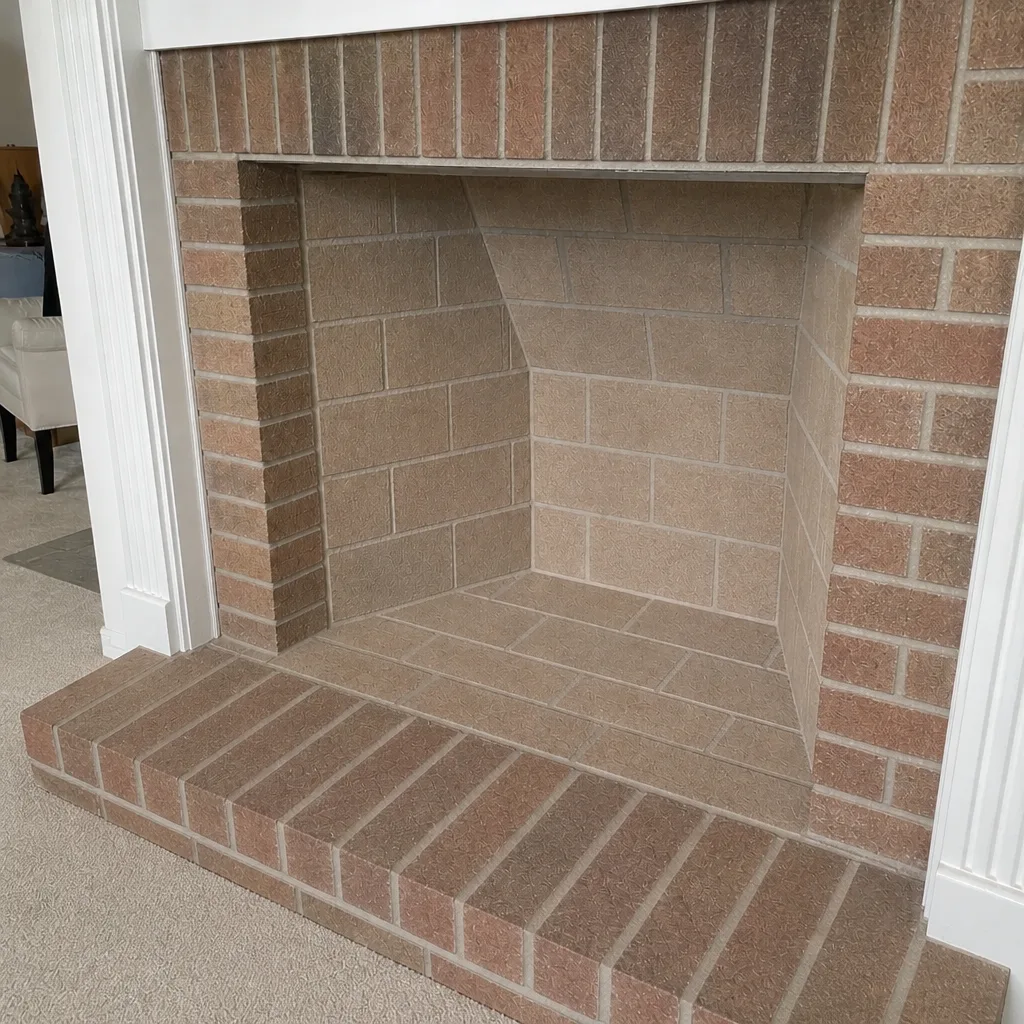
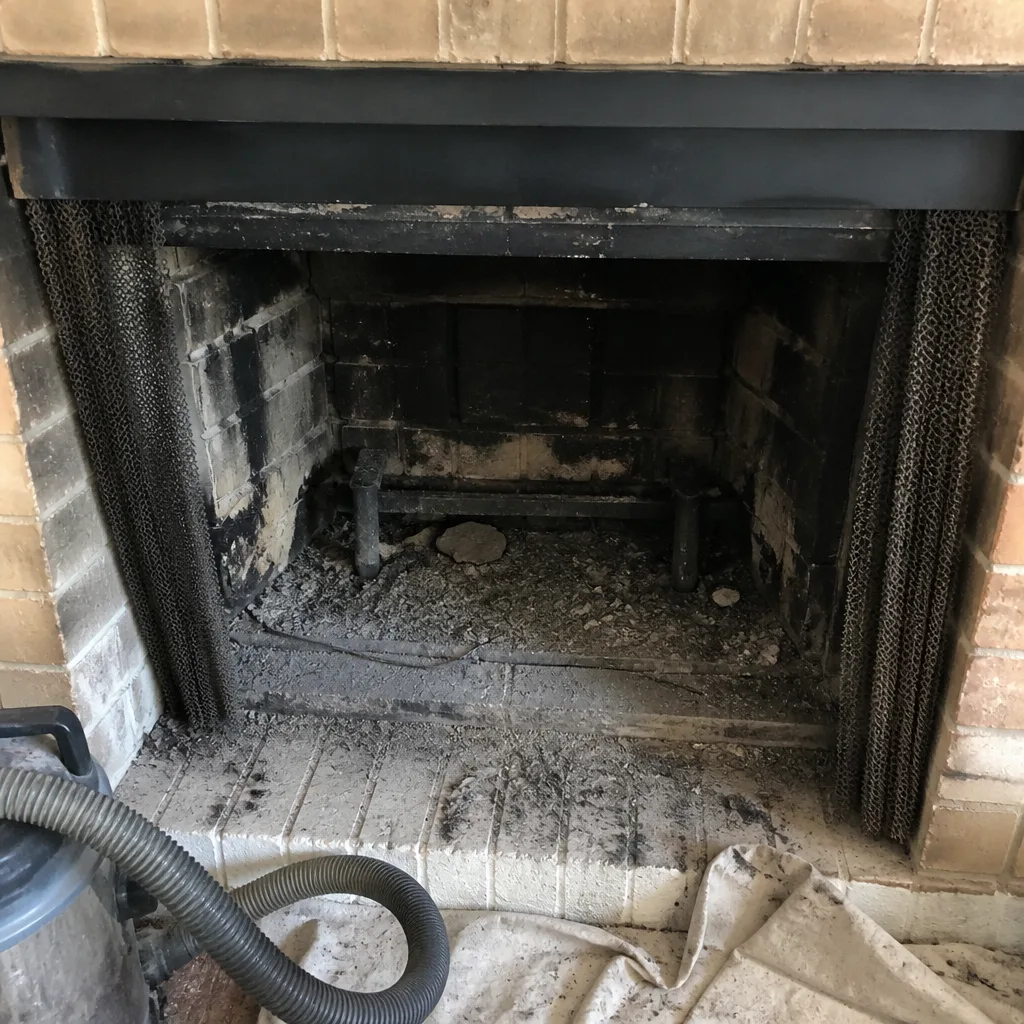
See the difference
 Before
 After
 Before
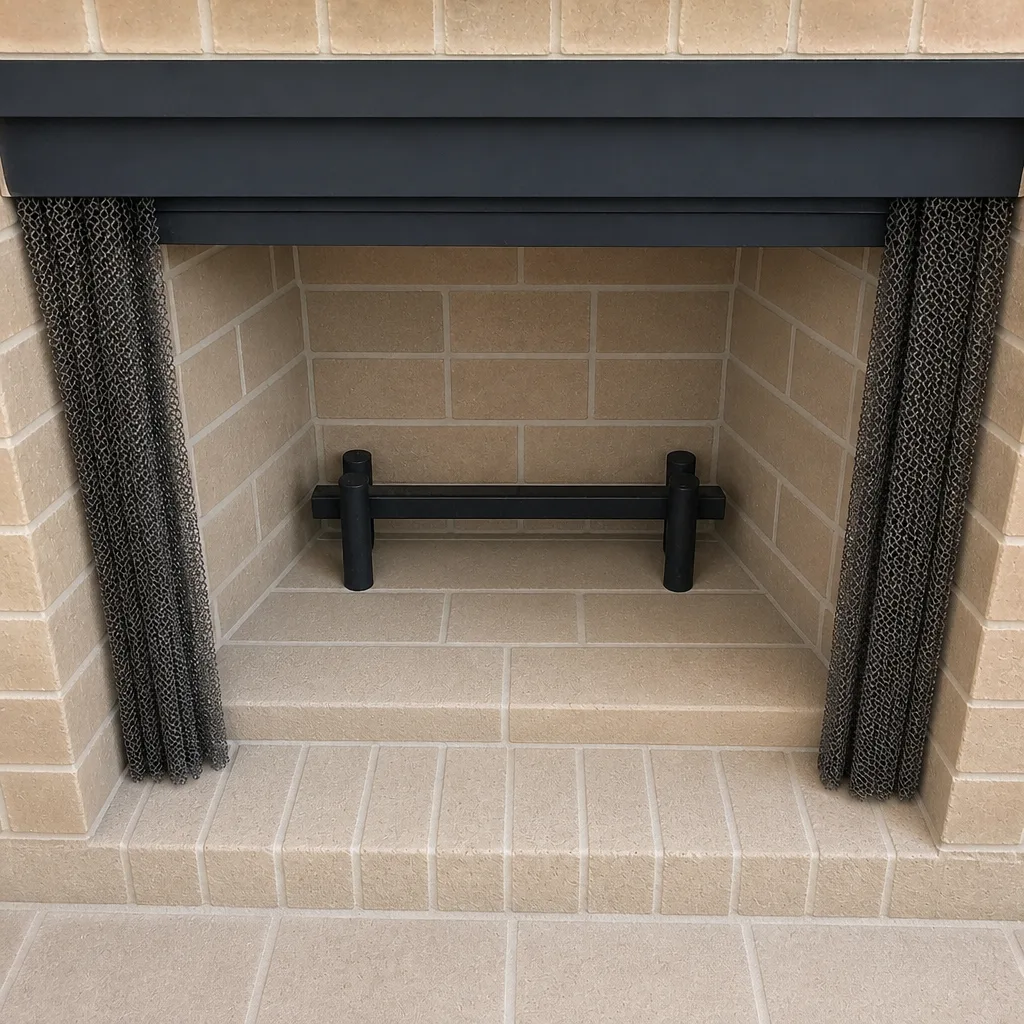 After
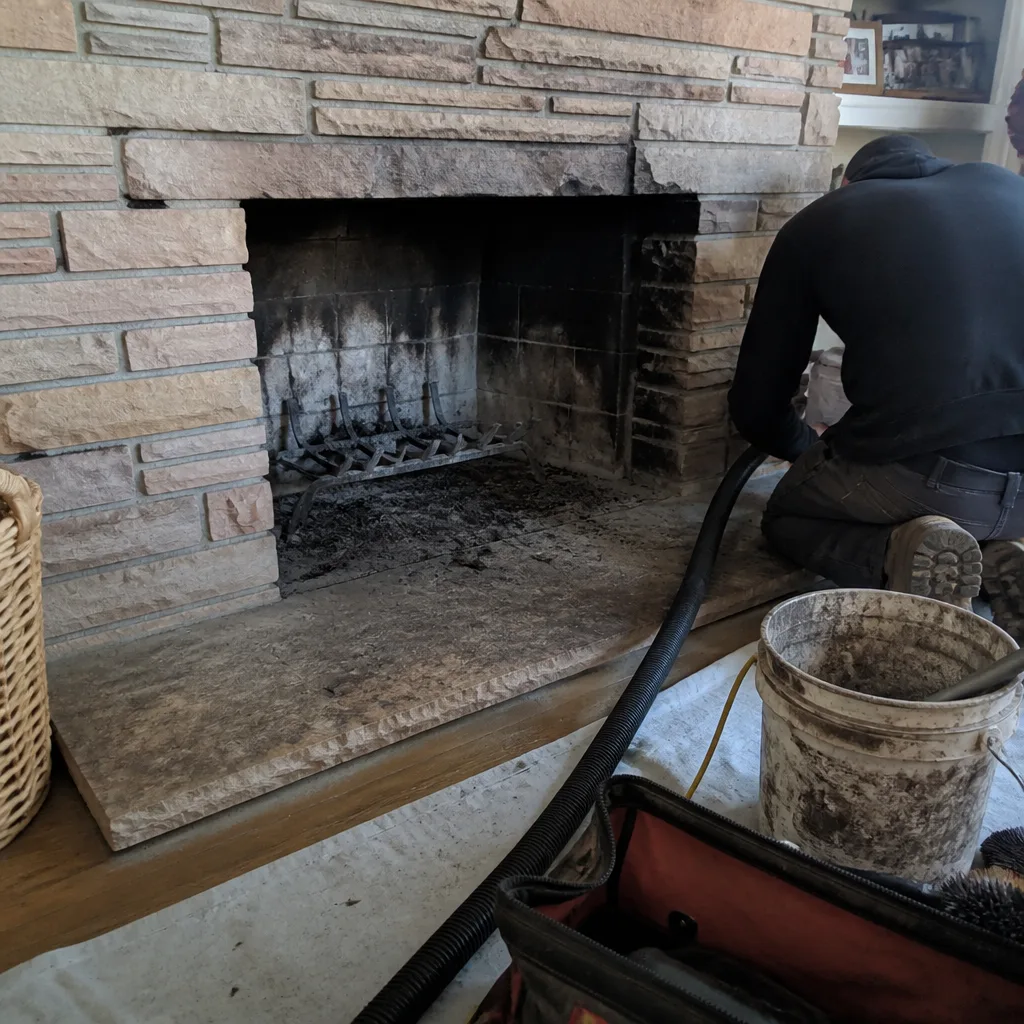 Before
 After