
Last updated November 16, 2026
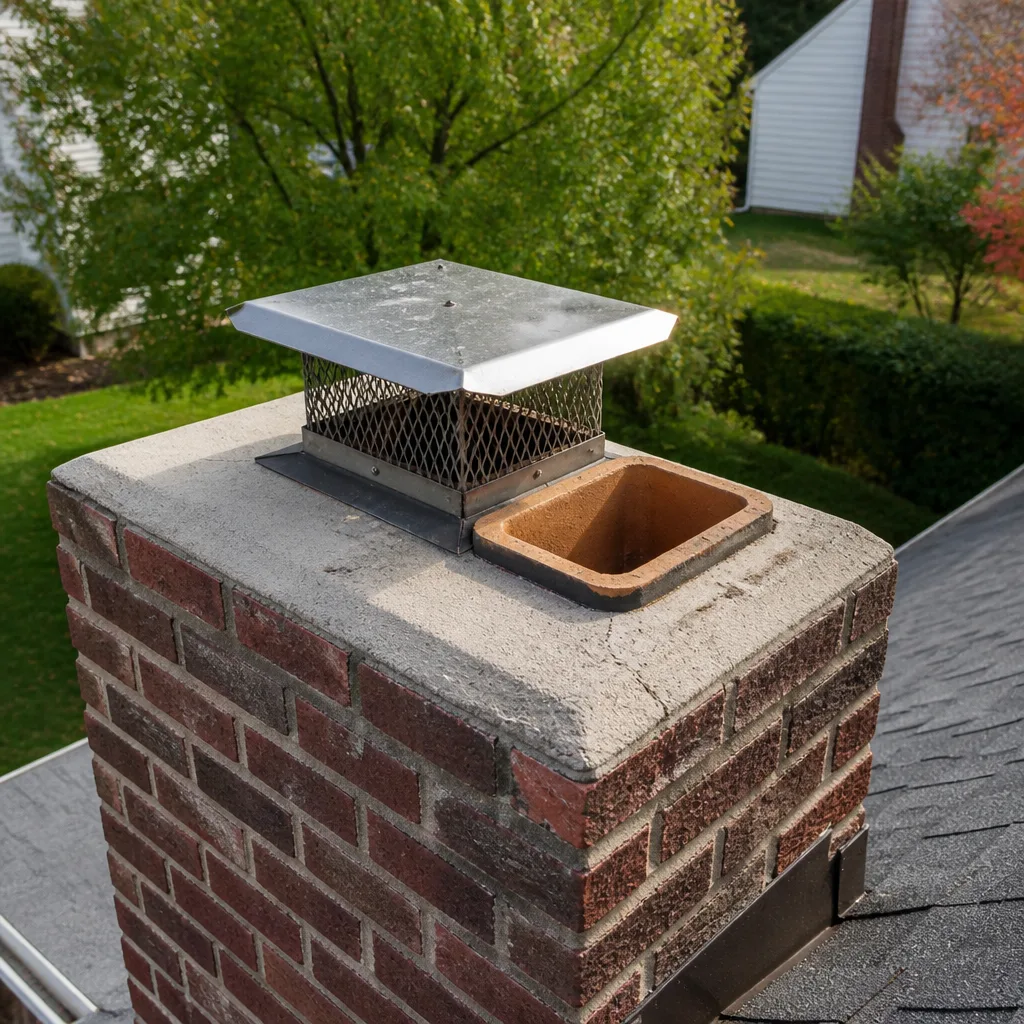 Sweep & inspection
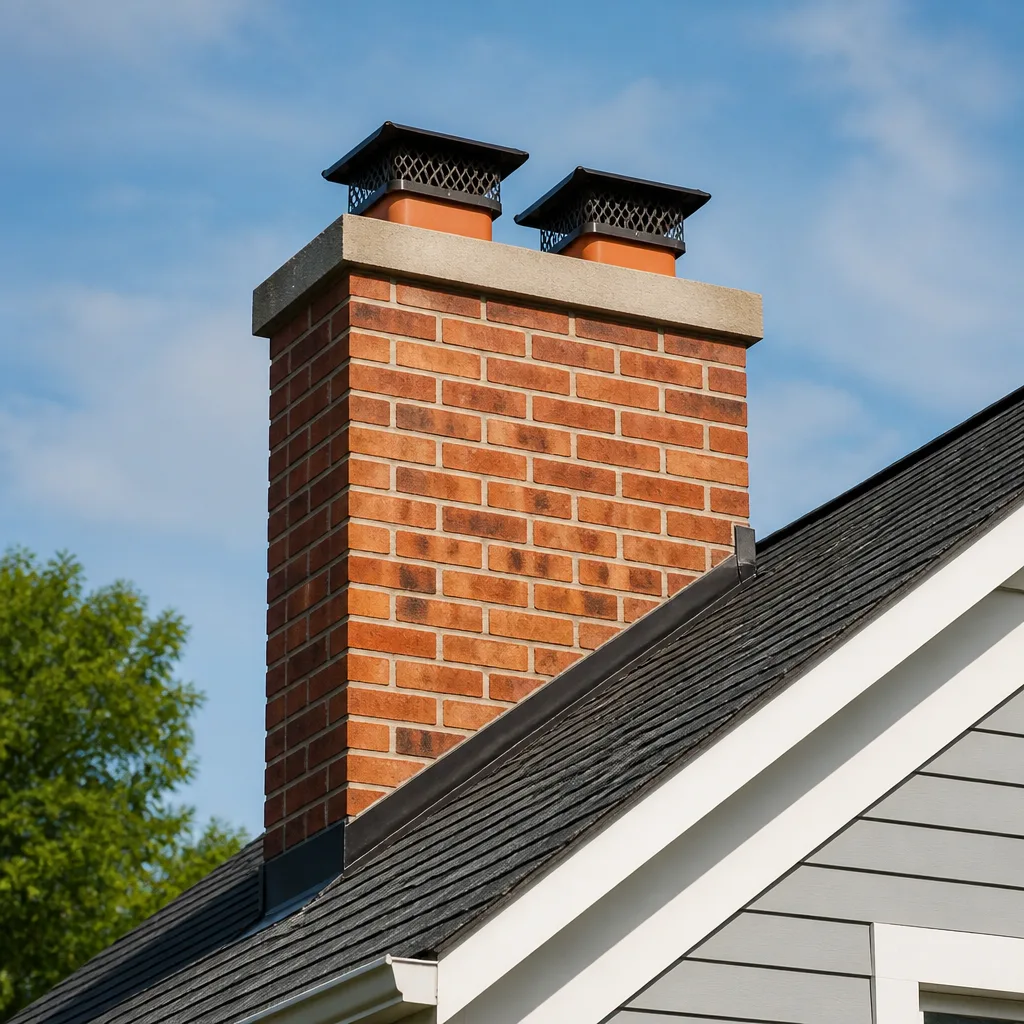 Caps & crowns
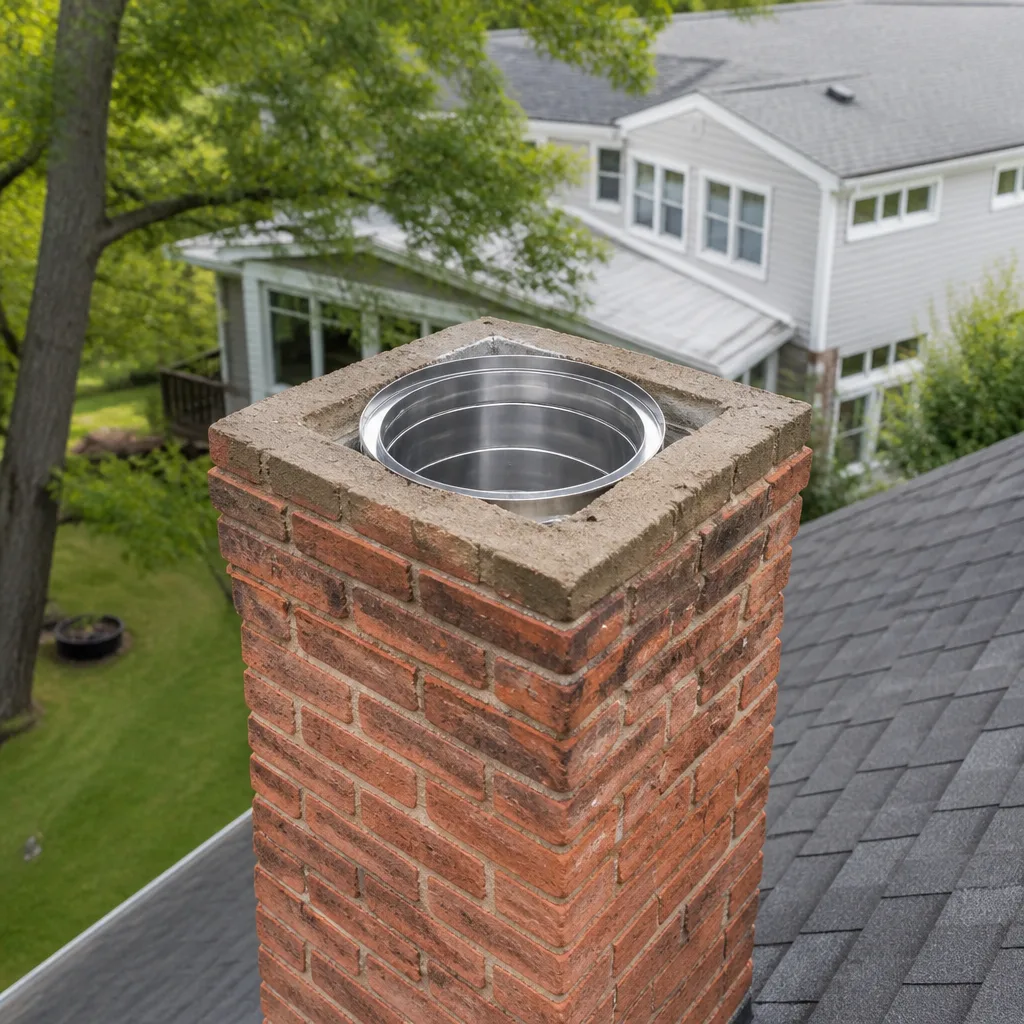 Flue relining
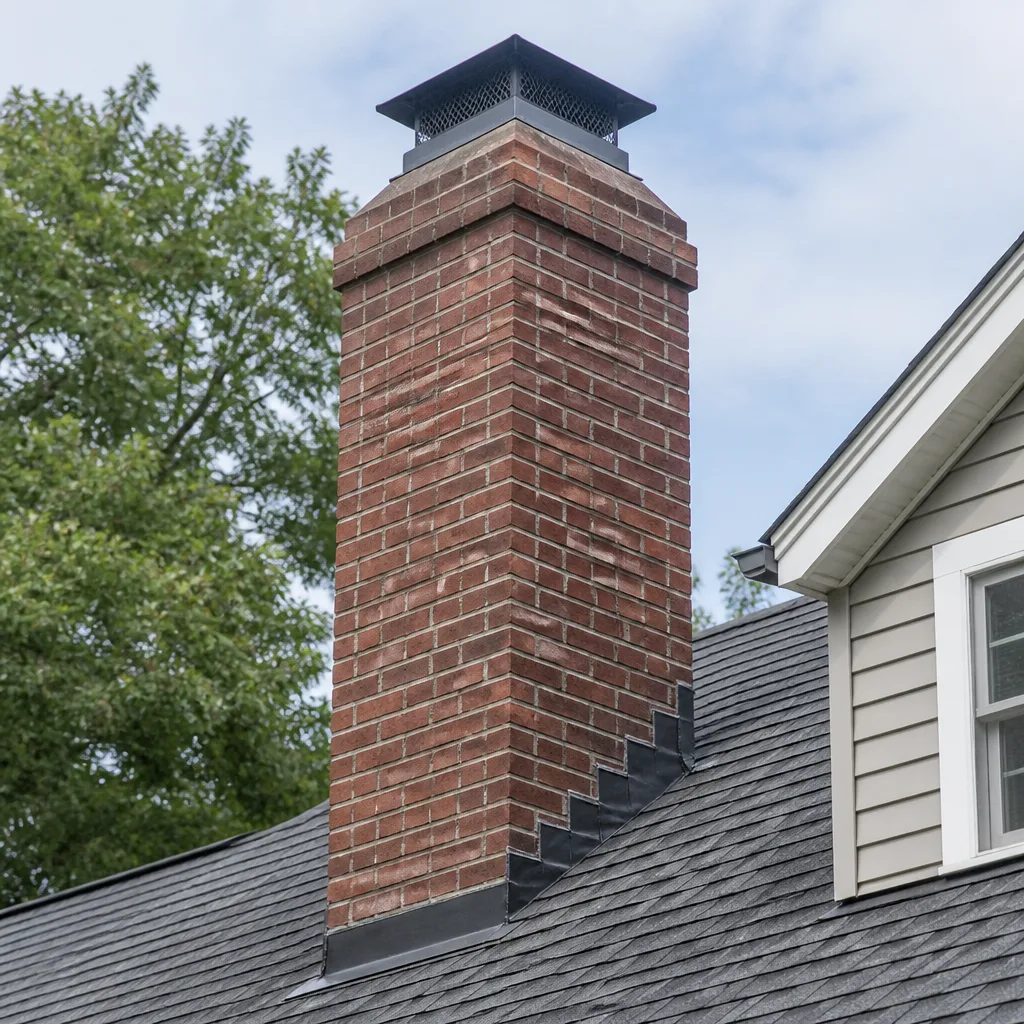 Masonry repair
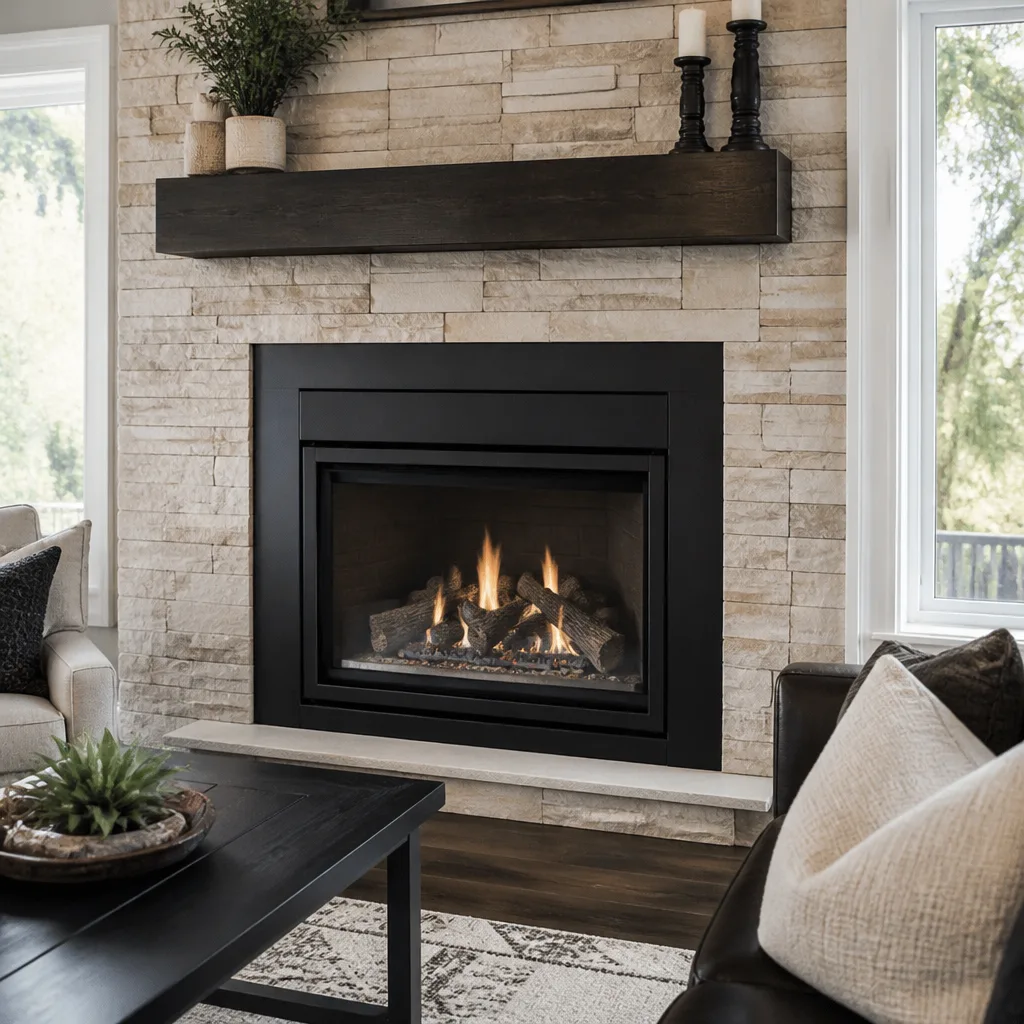 Gas fireplace service
Level 1 sweep and inspection to the NFPA 211 annual standard - flue, crown, cap, and flashing checked and photographed
Chimney sweep logs do not sweep chimneys. They loosen some creosote - which then falls where a brush and vacuum still have to collect it.
DIY vs Professional Chimney Cleaning: The Aurora Homeowner’s Decision Guide
The chimney brush kit you can order online will remove light soot from your flue tiles just fine. What it will not do is tell you that one of those tiles has a half-inch fracture running through it, and that fracture is what turns a contained firebox fire into a house fire. That gap between cleaning and assessing is the whole debate. Most homeowners frame DIY versus professional chimney cleaning as a question of saving money against paying for safety. The real line runs somewhere else entirely: you can often handle the physical removal of light deposits, but you can’t safely judge the condition of the flue that holds them. This guide separates what’s genuinely doable yourself from what needs a camera and a trained eye, and it’s written with Aurora homeowners in mind.
Quick Answer
DIY chimney cleaning can work for removing light, Stage 1 soot and creosote from an accessible flue that has been professionally inspected recently, but it cannot assess liner condition, and that assessment is the part that prevents house fires. For most Aurora homes – especially two-story homes with steep roofs, or any chimney that hasn’t been inspected – professional cleaning and inspection is the safer and more accurate choice. A trained sweep with a video liner camera sees things no brush kit can reveal.
Table of Contents
- What a DIY Brush Cleaning Actually Accomplishes
- What Consumer Equipment Cannot Assess
- When DIY Cleaning Is a Reasonable Choice
- When DIY Cleaning Isn’t Worth the Risk
- Aurora-Specific Factors That Tip the Balance
- What Professional-Grade Inspection Equipment Produces
- Using a DIY Mid-Season Check as a Supplement
- How Insurers and Buyers Read a Professional Report
What a DIY Brush Cleaning Actually Accomplishes
A brush on a flexible rod does one job well: it scrapes loose soot and light creosote off the inside walls of the flue and pushes it down to a collection point. If your flue is lined with sound clay tiles and the deposits are the thin, dusty, flaky kind that build up after a season of normal burning, a properly sized brush will clear them. That’s a real result, and it’s not nothing.
What a brush does physically is straightforward. The bristles contact the flue wall and break the bond between the deposit and the tile. The deposits fall. You vacuum what you can reach and sweep up the rest at the firebox. The flue is measurably cleaner when you finish than when you started.
That’s the physical achievement. It’s a cleaning, and it’s honest work.
The problem is that cleaning is the easy half of chimney maintenance. The hard half is diagnosis, and diagnosis is where DIY equipment leaves you exposed. Here’s what a brush cleaning genuinely handles:
- Stage 1 creosote removal. The light, flaky, soot-like deposits that accumulate from regular burning. A brush handles these.
- Loose soot clearing. The powdery buildup that collects on flue walls and around the damper area.
- Surface debris. Nesting material, leaves, and light buildup near the top of an accessible flue.
That’s the list. It’s shorter than most homeowners expect, and it’s why we tell Aurora customers that a DIY sweep is a supplement to professional service, not a substitute for it. The cleaning works. The inspection doesn’t happen.
What Consumer Equipment Cannot Assess
Here’s where the DIY case starts to wobble. A brush cleans a flue. It cannot see inside it. And the things that cause chimney fires and carbon monoxide problems – cracked tiles, gaps at joints, deteriorated mortar, a shifted liner section, a hidden Stage 3 glazed creosote pocket – are all inside the flue where a brush never looks.
Consumer chimney kits are built for one task: mechanical removal. They aren’t built to diagnose. What they don’t include tells the story:
- No video camera. The single most important inspection tool is a camera on a flexible rod that feeds a live image of the flue interior to a screen. Without it, the technician – or you – is guessing at liner condition.
- No draft measurement. A draft gauge tells you whether the chimney is actually pulling combustion gases up and out at the rate it should. Poor draft means smoke and carbon monoxide can back into the living space. You can’t feel this by hand.
- No combustion analysis. A combustion analyzer reads the actual gases coming off the fire to confirm the appliance is burning efficiently and safely. Consumer kits don’t do this, and it’s not a DIY task.
- No moisture or deposit classification. Trained sweeps classify creosote by stage – Stage 1, 2, or 3 – and each stage requires different treatment. Stage 3 glazed creosote is a fire hazard that a brush will skate over, not remove.
In our experience, the most common thing a professional inspection finds on a chimney the homeowner thought was fine is a hairline fracture in a flue tile that only shows up on camera. You can’t see it with a flashlight from the firebox, and you certainly can’t see it from the roof. That fracture is exactly the kind of hidden defect that lets heat and embers reach combustible framing.
If you want the full picture of what a proper inspection covers, our chimney sweep service includes the cleaning and the camera inspection together, so nothing gets missed between the two.
When DIY Cleaning Is a Reasonable Choice
There are real situations where a homeowner can safely do a light cleaning between professional visits. The conditions matter, and they’re specific. If all of the following are true, DIY cleaning is a reasonable supplement:
- Deposits are Stage 1 only. Light, flaky, soot-like buildup – not the shiny, hardened, glazed Stage 2 or 3 creosote that signals a fire hazard.
- The liner was professionally inspected recently and found sound. You’re cleaning a flue you already know is intact, not inspecting one you hope is intact.
- The roofline is single-story and safely accessible. A flat or walkable single-story roof that can be reached without climbing a ladder onto a steep pitch.
- You’re equipped for the physical job. A correctly sized brush, rods, drop cloths, a proper respirator, and eye protection. Soot and creosote are respiratory irritants.
- You understand you’re cleaning, not inspecting. You’re not relying on the DIY sweep to tell you the chimney is safe. A professional inspection stands behind that judgment.
Notice that every one of those conditions depends on a prior professional assessment. You can only know your deposits are Stage 1 if someone qualified has looked. You can only know the liner is sound if it’s been on camera. That’s the catch in the DIY argument: the DIY cleaning only makes sense as a follow-on to professional service, not as a starting point.
For a homeowner in an Aurora neighborhood with a single-story ranch and a recently inspected chimney, a mid-season brush-down is a legitimate way to keep deposits in check. For everyone else, the math doesn’t work.
When DIY Cleaning Isn’t Worth the Risk
The reasons to skip the DIY route are stronger than most people realize, and they’re not primarily about saving money. They’re about what goes unseen and what happens on a roof. Here’s when we’d tell any Aurora homeowner to put the brush kit down and call a professional instead:
- The chimney has never been inspected, or it’s been more than a year. You don’t clean a flue you haven’t had assessed. You inspect first, then decide whether cleaning is needed at all.
- The roof is steep or the chimney is on a two-story home. Aurora has a lot of steep-pitch and two-story construction, and rooftop work on those homes carries real fall risk. No amount of savings offsets a fall.
- You’ve burned unseasoned wood or the flue looks shiny and glazed. Glazed creosote is the dangerous stage, and a brush won’t remove it. It needs professional treatment.
- You’ve had a chimney fire, even a small one. Any fire event means the liner needs a full camera inspection before another fire is lit. This isn’t a cleaning question.
- The firebox or damper shows warping, cracking, or rust. These are structural signals that need a trained eye, not a brush.
- You’re buying, selling, or insuring the home. A DIY sweep produces no report anyone can stand behind. Insurers and buyers want documentation from a professional.
There’s also the plain physical reality of rooftop work. Getting onto a roof, positioning a ladder, and managing a brush and rods on a pitched surface is a two-person job even for people who do it often. Doing it alone, on an icy morning, on a steep Aurora roof, is how people get hurt. Our technicians have up to 8 years of experience and know how to work a roofline safely. Most homeowners don’t, and there’s no shame in that.
Aurora-Specific Factors That Tip the Balance
Aurora’s climate and housing stock make the DIY-versus-professional calculation lean more toward professional than it might in a flatter, milder place. A few local realities matter.
Roof pitch on common Aurora home styles
A lot of Aurora’s housing stock – the established neighborhoods around Old Town, the 1970s and 1980s subdivisions, the newer builds on the eastern edges – includes steep-pitch roofs where the chimney sits high and the pitch is aggressive. Rooftop access on those homes is genuinely hazardous. If your chimney is on a steep-pitch two-story, a professional sweep is simply the safer choice, full stop.
Wind conditions at elevation
Aurora sits at over 5,000 feet, and the elevated, exposed terrain around the city means rooftop work comes with wind that kicks up fast and gusts hard. A homeowner balancing on a ladder with brush rods in hand has no margin when a gust arrives. This is one of the most underrated reasons to leave rooftop chimney work to someone who does it routinely and knows how to read the weather.
Creosote accumulation from elevation-affected combustion
Combustion doesn’t behave quite the same at elevation. Wood burns differently, drafts behave differently, and the creosote deposits that build up in an Aurora flue can accumulate faster or in different patterns than at sea level. What that means practically is that Aurora homeowners should not assume a once-every-few-years cleaning schedule is enough. Annual inspection matters here, and it’s the reason we always inspect before we sweep – to see what the season actually produced, not what a generic schedule assumes.
Burning season and code context
Our home building department can confirm local requirements, but as a general best practice, any chimney work in Aurora should meet current standards for clearance to combustibles and liner condition. A DIY sweep can’t verify any of that. A professional inspection documents it. If you’re unsure what your local code requires, ask the city’s building department directly.
When a chimney needs more than cleaning, our chimney repair work covers the findings – from liner issues to cracked tiles – without a handoff to another company.
What Professional-Grade Inspection Equipment Produces
This is the heart of the argument. The difference between a DIY cleaning and a professional service isn’t a better brush. It’s diagnosis. Professional equipment produces findings and documentation that a brush kit simply cannot, and those findings are what keep a house safe and what an insurer will accept.
Here’s what a professional inspection produces, piece by piece:
- A video liner camera record. A camera on a flexible rod captures the full interior of the flue, from firebox to cap. Cracks, gaps, joint separations, and Stage 3 glazed creosote show up on screen. The technician sees it, and, importantly, you can see it too.
- Draft measurement. A draft gauge confirms the chimney is venting properly. Poor draft is a smoke and carbon monoxide concern that no visual check can catch.
- Combustion analysis. A combustion analyzer reads the gases to confirm efficient, safe burning. It’s the diagnostic counterpart to the visual inspection.
- Deposit classification. The technician identifies the creosote stage and prescribes the right treatment – a standard sweep for Stage 1, a different approach for hardened deposits.
- A written condition report. Everything found gets documented in a report the homeowner can present to an insurer, a real estate agent, or a local fire marshal.
That report is the deliverable. It’s what turns a service visit into evidence. And it’s why a documented inspection carries weight that a self-performed sweep never can.
When a flue liner has deteriorated, professional equipment also determines whether the chimney needs a full reline or can be restored with a specialist resurfacing method. HeatShield is a resurfacing system applied only by trained applicators, and it restores a deteriorated liner without the cost of full replacement. That’s a diagnosis-driven decision – exactly the kind you can’t reach with a brush in your hand. When caps or covers are needed, products from Gelco and Famco protect the chimney between visits and reduce future repair frequency. And when a liner must be replaced, DuraFlex flexible liner systems are the industry standard we install.
If you’re in Aurora and want to see what your own flue actually looks like, that’s the conversation to have. The Morningstar Chimney Sweep inspection starts with the camera, not the brush.
Using a DIY Mid-Season Check as a Supplement
Here’s where a homeowner can genuinely add value: a visual mid-season check. Not a cleaning, a check. It’s a supplement to annual professional service, never a replacement, and it’s about catching obvious problems early between visits.
A mid-season visual check involves looking at the firebox, the damper, and whatever of the flue you can safely see with a flashlight from below. You’re looking for changes, not doing a diagnosis. Here’s what to watch for:
- New or worsening creosote buildup on the firebox walls or the visible portion of the flue – especially shiny or glazed deposits.
- Cracks or crumbling in the firebox brick or mortar.
- Rust or warping on the damper or firebox components.
- Smoke backing into the room when a fire is lit – a draft signal that warrants a professional call.
- Water stains or moisture near the chimney, which can point to a cap or flashing issue.
What a mid-season check is not: it’s not a substitute for a camera inspection, it’s not a substitute for an annual sweep, and it’s not a reliable way to judge liner condition. You’re looking for obvious signals, not making a safety call. If you see any of the above, stop burning and call a professional. If you see nothing wrong, that’s good news, not a clean bill of health.
The value of the mid-season check is that it keeps you paying attention to the chimney between annual visits. It’s a habit that supports professional service. It doesn’t replace it.
How Insurers and Buyers Read a Professional Report
If you’re buying, selling, or insuring a home in Aurora, the DIY-versus-professional question resolves itself fast. A professional inspection produces a documented condition report. A DIY sweep produces a clean flue and nothing else. Those aren’t equivalent in the eyes of anyone who needs evidence.
Here’s how each party reads the difference:
- Insurers want documentation of chimney condition, especially on older homes. A written report from a professional inspection gives them something to underwrite against. A self-performed sweep gives them nothing to review.
- Real estate agents and buyers want to know the chimney has been assessed, not just cleaned. A condition report answers questions a brush can’t. It can head off negotiation surprises at closing.
- Local fire marshals may want inspection records for chimneys, particularly after a fire event or as part of a safety review. A documented report is what stands up.
The report is also a record for you. It captures what was found, what was done, and what – if anything – still needs attention. That’s the transparency that matters when you’re making decisions about a home. Nothing gets recommended without camera evidence you can see for yourself, and if work can safely wait, we say so.
If you’re in Aurora and need an inspection you can hand to an insurer or a buyer, that’s exactly what the Aurora inspection service is built to provide.
Common Mistakes to Avoid
- Cleaning before inspecting. The order matters. A sweep without an inspection is cleaning blind. Inspect first, then clean based on what’s found – every time.
- Assuming light deposits mean a healthy flue. A flue can have light creosote and a fractured tile at the same time. The deposits tell you about burning habits; the liner condition tells you about safety.
- Using the wrong-sized brush. A brush that’s too large can damage flue tiles; too small and it doesn’t clean the walls. In our experience this is one of the most common DIY errors.
- Skipping the roof safety assessment. Aurora’s steep-pitch roofs and gusty, elevated wind conditions make rooftop work genuinely hazardous. If you can’t do it safely, don’t start.
- Ignoring a glazed, shiny flue. Glazed creosote is the fire-hazard stage. A brush won’t remove it. Treating it like ordinary soot is a mistake with real consequences.
- Relying on a DIY sweep for a real estate transaction. No buyer, agent, or insurer will accept a self-performed sweep as documentation. They want a professional report.
- Burning wet or unseasoned wood all season. It accelerates creosote buildup faster than dry wood. In a place like Aurora where deposits already accumulate quick, this matters more than people think.
When to Call a Professional
Call a professional chimney sweep if any of these apply: your chimney hasn’t been inspected in over a year; the home is two-story or the roof is steep; you’ve had any chimney fire, even a small one; the flue looks glazed or shiny; you’re buying, selling, or insuring the home; or you simply aren’t sure of your chimney’s condition. These are the cases where diagnosis matters more than cleaning, and diagnosis needs equipment and a trained eye.
Morningstar Chimney Sweep offers free estimates in Aurora. We inspect before we sweep, we show you what the camera finds, and we tell you plainly when work can wait. Call (855) 368-2029. We answer 24/7. Fast dispatch from 7am to 7pm, Sunday through Friday. Closed Saturday.
Frequently Asked Questions
As a general best practice, annual inspection is the standard, and cleaning depends on what the inspection finds. Aurora’s elevation affects how wood burns and how creosote accumulates, so an annual visit is the safe baseline. If you burn frequently, an inspection before each burning season is worth scheduling. Call (855) 368-2029 for an exact quote – estimates are free.
You can remove light Stage 1 deposits yourself, but you can’t assess liner condition, and that assessment is what prevents fires. DIY cleaning only makes sense when a recent professional inspection already confirmed the flue is sound. If your chimney hasn’t been inspected, the DIY sweep is cleaning a flue you don’t actually know is safe. Call (855) 368-2029 for an inspection – estimates are free.
Creosote accumulates with every fire, and at the glazed Stage 3 it becomes a genuine fire hazard that a brush won’t remove. Skipping service also means cracked liners and draft problems go undetected, which are carbon monoxide concerns. This isn’t a scare tactic – it’s what an inspection looks for and why annual service matters. Call (855) 368-2029 for an exact quote – estimates are free.
Only a camera inspection can tell you that, and nothing gets recommended without evidence you can see for yourself. Sometimes a deteriorated liner can be resurfaced with a specialist method like HeatShield rather than fully replaced, which is a decision that comes from diagnosis, not guesswork. Our technicians have up to 8 years of experience reading those findings. Call (855) 368-2029 – estimates are free.
Cost depends on what the inspection finds – the deposit stage, liner condition, access, and whether repair work is needed. The written estimate sets the final price, and we inspect before we quote so the number reflects your actual chimney. Call (855) 368-2029 for an exact quote – estimates are free.
No. Insurers generally want a documented condition report from a professional inspection, not a homeowner’s own cleaning. That report is what the chimney repair side of our work builds on when findings need fixing, and it’s the documentation you can present. Call (855) 368-2029 – estimates are free.
The Bottom Line
The DIY chimney cleaning question comes down to separating cleaning from diagnosis. You can legitimately remove light Stage 1 deposits from a flue you already know is sound – on an accessible roofline, with the right tools, as a mid-season supplement to annual service. You cannot safely assess liner condition, and that assessment is what separates a contained fire from a house fire. In Aurora, the steep roofs, elevation-driven wind, and faster creosote accumulation push the calculus toward professional service. Our technicians have up to 8 years of experience and use HeatShield, Gelco, Famco, and Olympia Chimney products. Professional-grade materials, not hardware-store patches. Clarity from the first call to the final invoice.
Call (855) 368-2029 for a free estimate. We answer 24/7. Fast dispatch from 7am to 7pm, Sunday through Friday. Closed Saturday.
Written by the team at Morningstar Chimney Sweep.
Styles & brands we work with
- Sweep & inspection
- Caps & crowns
- Flue relining
- Masonry repair
- Gas fireplace service
See the difference
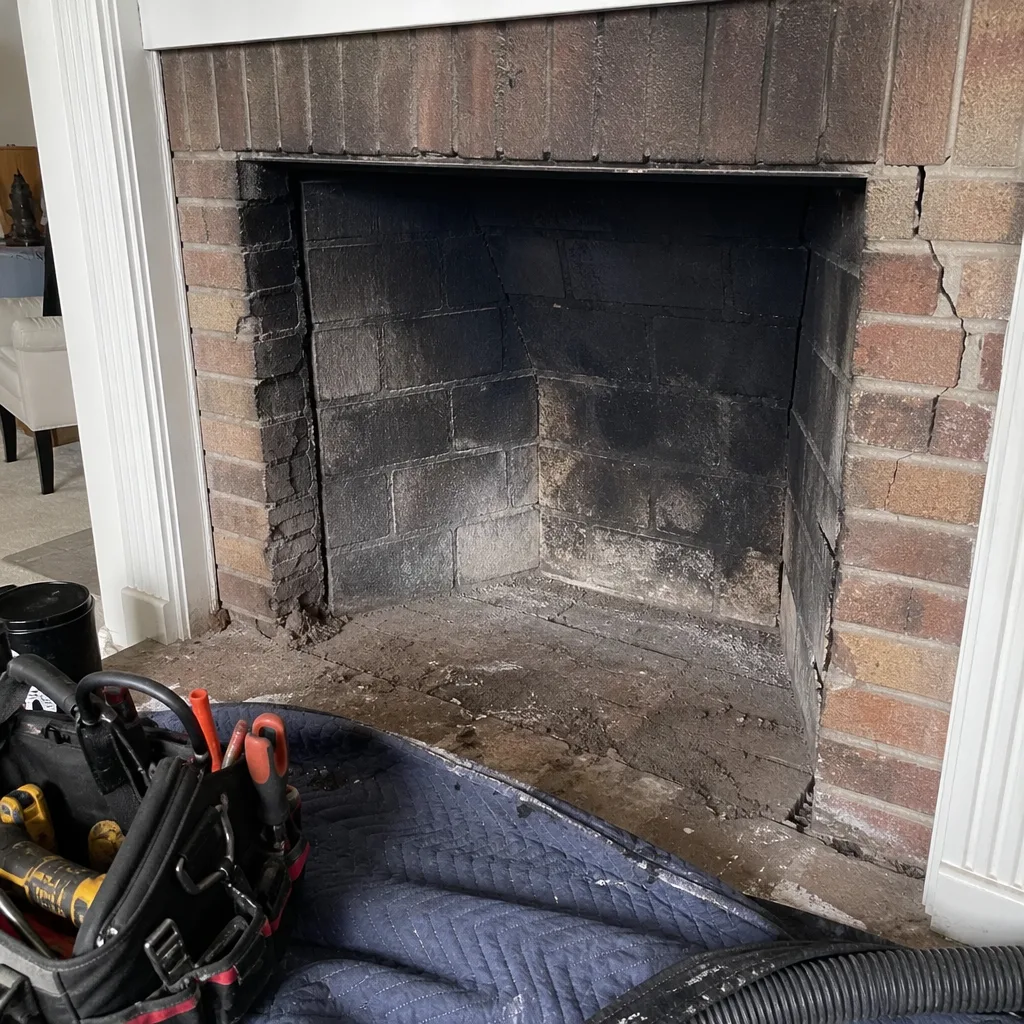 Before
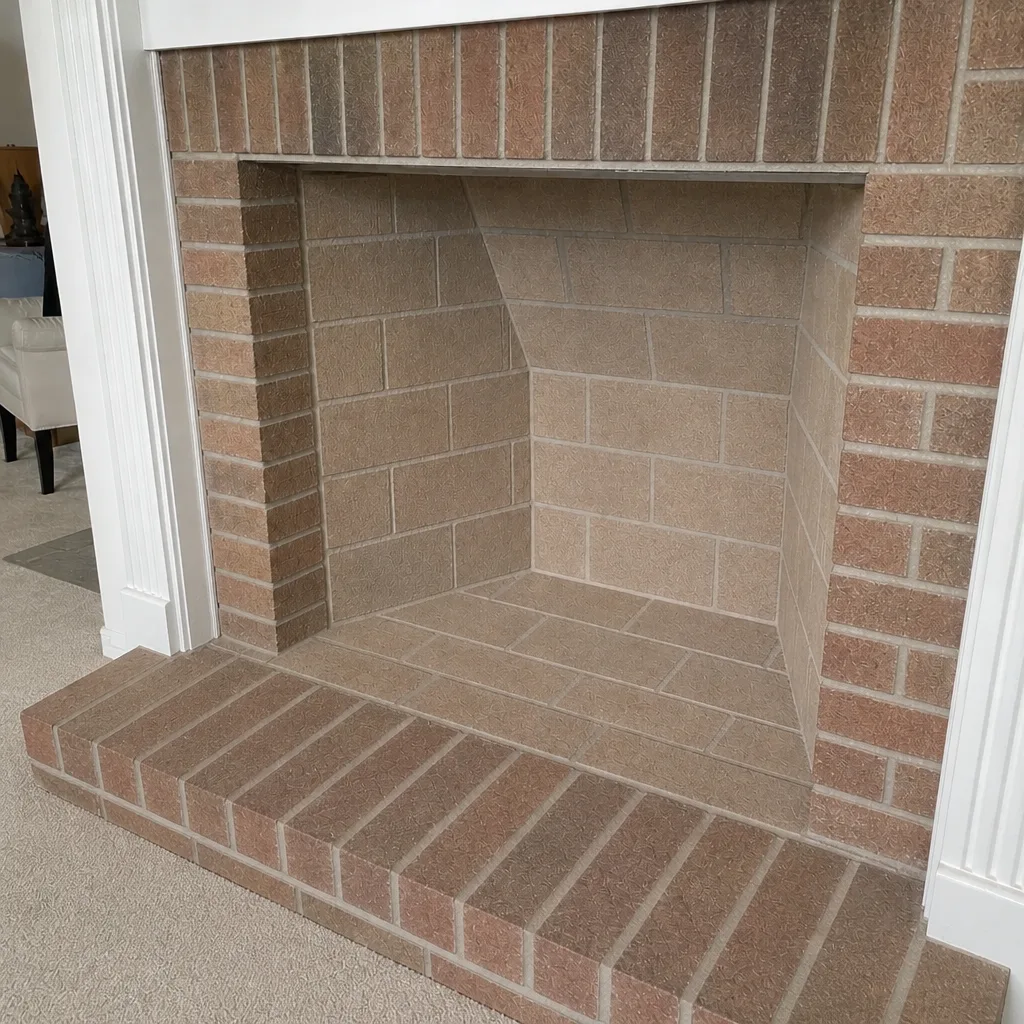 After
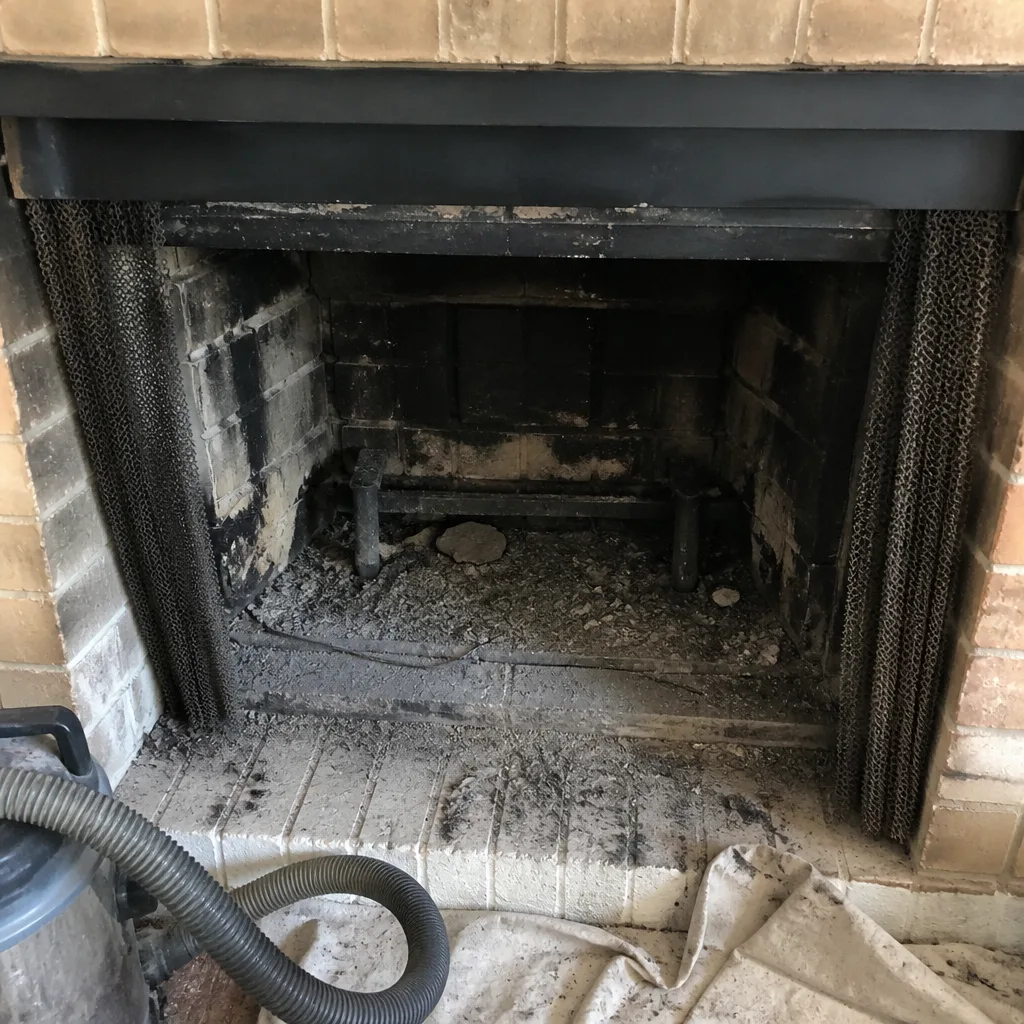 Before
 After
 Before
 After