
Last updated November 16, 2026
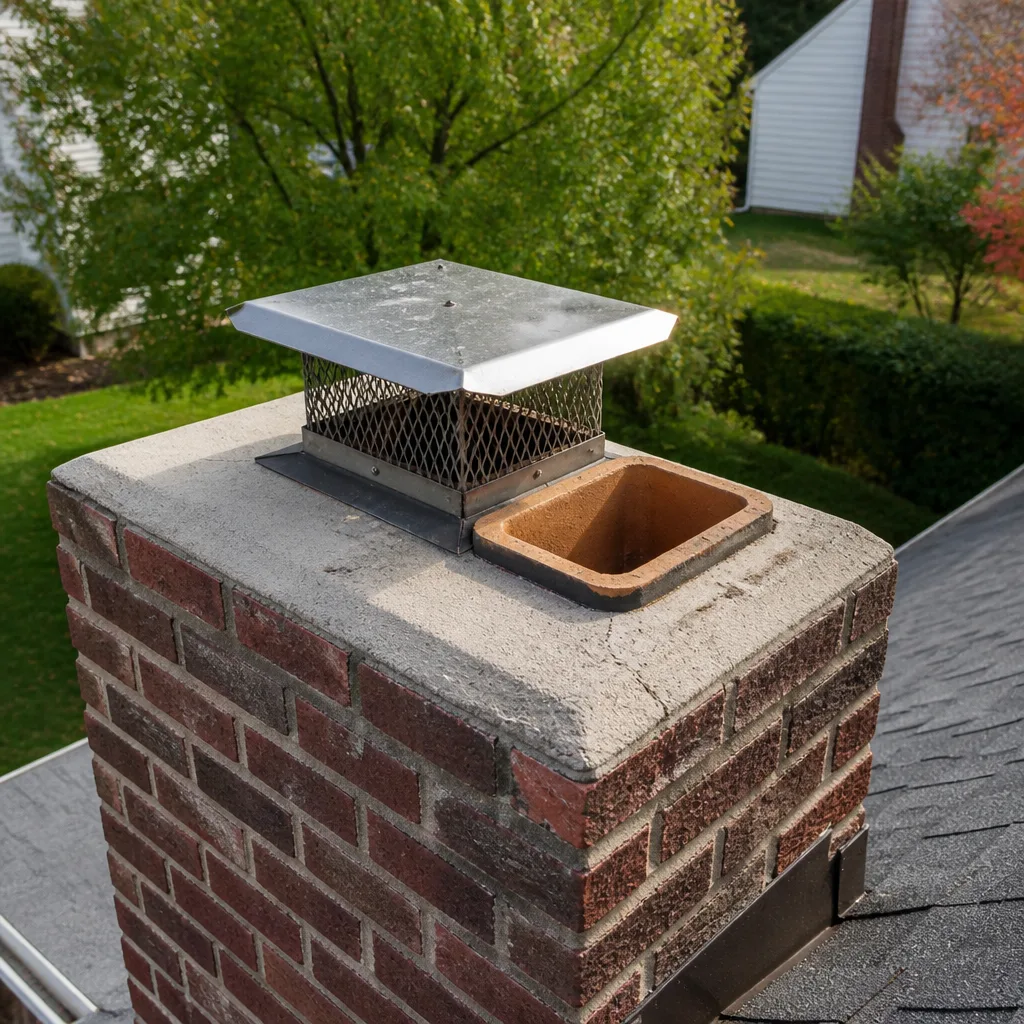 Sweep & inspection
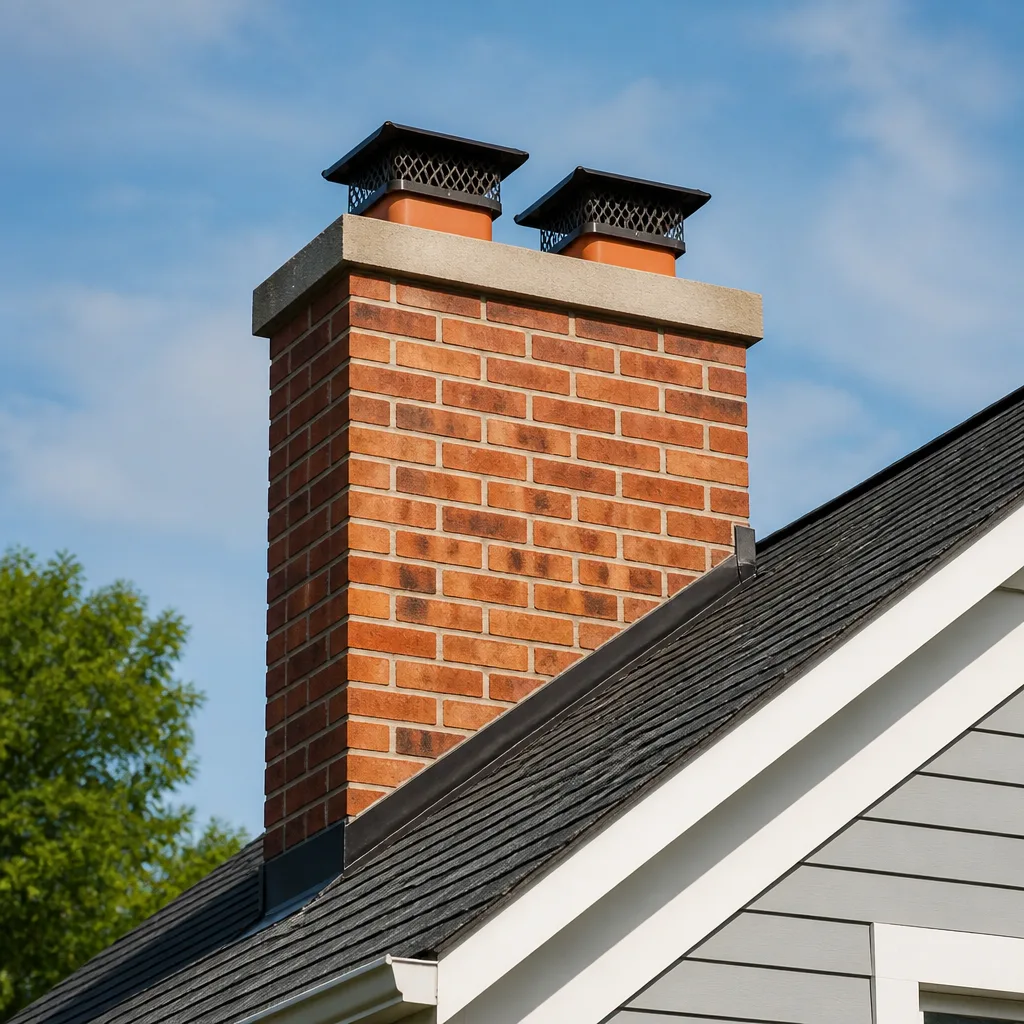 Caps & crowns
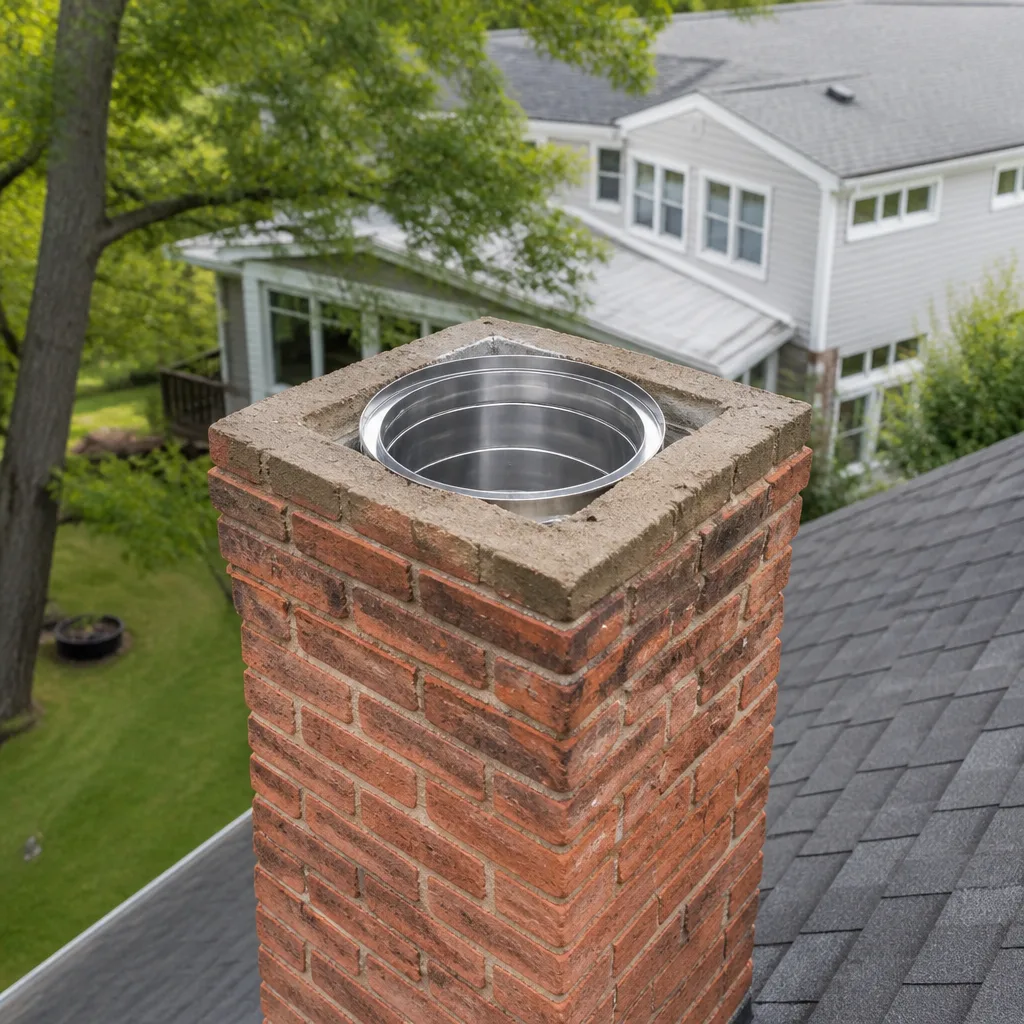 Flue relining
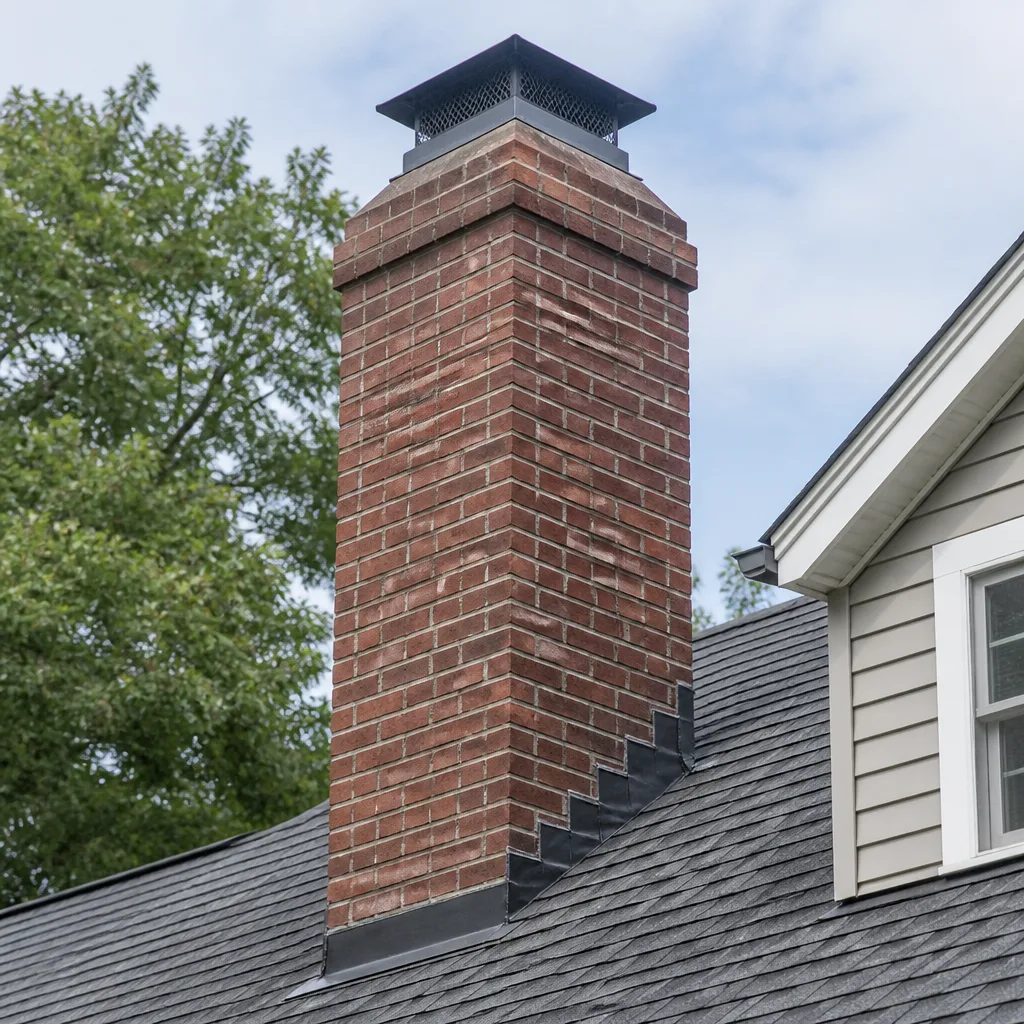 Masonry repair
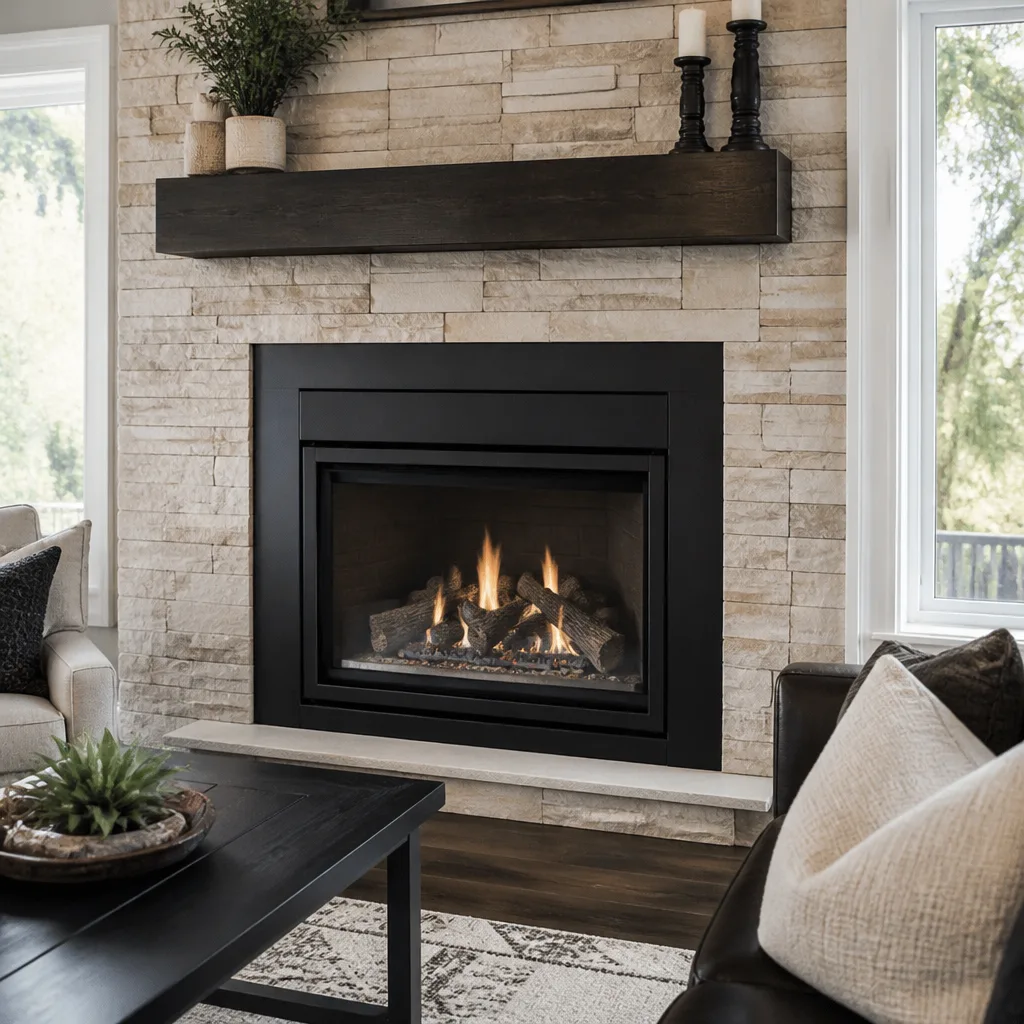 Gas fireplace service
Level 1 sweep and inspection to the NFPA 211 annual standard - flue, crown, cap, and flashing checked and photographed
Chimney sweep logs do not sweep chimneys. They loosen some creosote - which then falls where a brush and vacuum still have to collect it.
Seasonal Chimney Cleaning Care for Aurora: Year-Round Homeowner’s Guide
Most homeowners treat the chimney like a seasonal appliance: sweep it in the fall, forget it until next year. That schedule is the source of most expensive chimney damage we see in Aurora. The fireplace season in this city is not a single annual event. It runs from the first cold snap in fall through the last fire in spring, and the months between are when the structure takes its real beating. Summer storms push water into cracks a fall sweep never touches. Winter heat cycles stress mortar joints that were already tired in October. This guide walks through all four seasons of chimney care, explains what actually happens to a chimney in Aurora’s climate, and shows you how to time every task so nothing gets skipped.
Quick Answer
Chimney care in Aurora works best as four separate seasonal checkpoints, not one fall cleaning. Spring calls for a post-season inspection and liner check before you close the damper. Summer is when you inspect the crown, cap, and brick for moisture and hail damage. Fall is when you book the sweep and pre-season inspection, ideally before the first freeze. Winter calls for a mid-season creosote check if you burn more than three fires a week. Waiting until November to book a sweep is usually too late.
Styles & brands we work with
- Sweep & inspection
- Caps & crowns
- Flue relining
- Masonry repair
- Gas fireplace service
Table of Contents
- Why Aurora’s Climate Is Hard on Chimneys
- Spring: Post-Season Inspection and Liner Care
- Summer: Moisture, Crown, and Cap Checks
- Fall: Pre-Season Sweep and Freeze Timing
- Winter: Mid-Season Creosote Checks
- How 40°F Swings Stress Your Mortar Joints
- The Four-Season Chimney Care Calendar
- Common Mistakes to Avoid
Why Aurora’s Climate Is Hard on Chimneys
Aurora sits on the high plains east of Denver, and the weather here does chimney structures no favors. Front Range temperature swings of 40°F in a single day are common, especially in fall and spring. The chimney heats up, expands, cools down, contracts, and does it again the next day. Over years, that cycle opens hairline cracks in the masonry, the crown, and the mortar joints. Those cracks let water in. Water freezes, expands, and pries the brick apart from the inside. This is why a chimney in Aurora can look solid from the ground one October and show spalling brick by the following October.
Summer adds a second problem. Afternoon thunderstorms and monsoon moisture run down the flue and settle against the crown and the cap. A chimney that goes unused from April to October sits wet on the inside for months. UV exposure breaks down the crown’s sealant. Hail season dents caps and knocks screen mesh loose. None of this announces itself. The first fire of the fall pushes warm air through a cooled, possibly wet flue, and the cracks that opened over the summer reveal themselves as smoke, draft problems, or a strong creosote smell.
The point is simple: Aurora’s chimney problems are structural and cumulative. They start in the seasons people ignore. Treating the chimney as a year-round asset rather than a fall chore changes how long it lasts.
Morningstar Chimney Sweep works throughout Aurora and sees this pattern every year. If you want the full picture of what each service covers, our chimney sweep page explains the cleaning side, and the repair page covers structural concerns.
Spring: Post-Season Inspection and Liner Care
The single most important thing you can do for your chimney is the inspection you run before you close the damper for summer. Once the last fire goes out and the flue cools, everything that happened over the winter is still visible: creosote deposits, glazed sections in a hot-burning flue, cracked mortar, moisture staining on the bricks. A spring inspection catches all of it while the weather still lets you fix it. Wait until fall, and a small liner issue discovered in April becomes a scheduling crisis in October.
A spring inspection should cover:
- Flue interior, ideally with a camera, to check for cracks, gaps, and glazed creosote
- Damper operation and fit
- Firebox condition and any warping or crumbling of firebrick
- Exterior brick, mortar joints, and the crown
- Whether the crown is shedding water toward the flue or away from it
If the camera reveals a deteriorated liner with surface damage but no structural failure, we can often resurface it with HeatShield rather than replace it. HeatShield is a specialist-only repair method that restores a failing flue surface. Most people who install it get a few more years out of the original liner before a full reline is necessary. When a liner is too far gone, we use DuraFlex flexible liner systems for the replacement.
The other spring task is ash. Ash that has been sitting in the firebox since March still holds an enormous amount of fine, caustic material. Left in place through summer, it absorbs humidity and slowly attacks the firebox floor. Empty it before you close the house up. If you want a clear picture of what a sweep looks like when we run it, our chimney sweep services page goes through the process.
Book the spring inspection as soon as the flue is cool enough to work in. It costs far less than the repair it usually prevents.
Summer: Moisture, Crown, and Cap Checks
Summer is the season homeowners think about least and the season the chimney suffers most. The chimney you don’t use from April to October is the one quietly absorbing water through a hairline crown crack, and by the time you light a fire in the fall, the spalling has often started inside the liner where no visual inspection catches it without a camera. A chimney in Aurora takes in a lot of water in a typical summer: hail, afternoon thunderstorms, and days of sustained monsoon moisture.
Three summer tasks are worth doing on every chimney:
- Crown inspection after hail season. The crown is the concrete cap at the top of the chimney that directs water away from the flue. Hail and thermal stress crack it. Once water gets under a cracked crown, it freezes the following winter and separates the crown from the structure. Check the crown from the ground with binoculars or a camera if possible, and book a professional inspection if you see cracks, missing chunks, or clear separation from the brick.
- Cap and screen integrity after monsoon winds. Summer storms in Aurora produce high wind gusts. Caps get dislodged, screens tear, and poorly fitted crowns of the chimney cap rust loose. A damaged cap means rain enters the flue directly and wildlife can get down it. A missing chimney cap is one of the cheapest fixes you can make and one of the most effective at preventing future repairs.
- Moisture testing above the roofline. Look at the brick above the roofline once the storms pass. Are the bricks darker on one face than another? Is there a white, powdery bloom on the brick surface? That bloom is called efflorescence, and it’s a sign that water is moving through the brick and leaving mineral deposits behind. Spalling brick – where the face of a brick flakes away in layers – is a sign the damage has already started.
The right time for a summer check is mid-to-late July, after hail season has done its worst and before fall. If you’re missing a cap or need a replacement, we source them through Gelco and Famco, the same professional supply chain used by commercial contractors. The point of a proper cap is a seal that keeps out water and critters without choking off draft.
Fall: Pre-Season Sweep and Freeze Timing
Fall is when most people think about the chimney, and for good reason: it’s the one season you can’t afford to skip. The August-to-early-October window is also when chimney specialists fill up with bookings. Waiting until November to call a sweep is usually too late – you risk the first cold night with a dirty, possibly damaged flue and no inspection behind you. In Aurora, the first hard freeze can arrive before the middle of October, and it commonly catches homeowners mid-schedule.
The right fall sequence is short and specific:
- Book the sweep in September, not November. The pre-season sweep removes creosote and debris accumulated over the previous season and clears the way for an honest inspection. If we inspect before we sweep, the camera view is obscured; if we sweep before we inspect, we can see the liner clearly.
- Run the pre-season inspection. Before the first fire, we run a camera down the flue, check the damper, the firebox, the cap, and the crown. Any repair needed gets done before cold weather makes it harder to schedule.
- Confirm the cap and damper before freeze. A cap left loose over the summer will let snow in and freeze in the flue, which is one of the most common sources of winter chimney damage we see in Aurora.
- Clear anything stored near the fireplace. Holiday decorations, boxes, and firewood stacked tight against the hearth create a fire risk the first time you light up. Move it before the season starts.
This is where Morningstar Chimney Sweep operates differently from a generalist. We’re specialists. Our technicians have up to 8 years of experience, and every fall call combines a sweep and an inspection with the same crew. If a repair shows up, we handle it with one call instead of three.
If your annual chimney sweep is the only service you book this year, this is the season to book it. For homes that have missed more than one season, we’ll typically pair the sweep with a level-two inspection and camera run to be sure we know what we’re sending heat through.
Winter: Mid-Season Creosote Checks
Most chimneys only need one thorough cleaning per year, but not every chimney. The threshold matters: if you burn more than three fires per week through the winter, a single annual sweep isn’t enough. Creosote builds up faster than most people expect, and in a fireplace that runs most evenings in January and February, a mid-winter inspection makes sense. Creosote comes in several forms, and glazed, hardened creosote is the most dangerous: it ignites at a much lower temperature than the soft, flaky type, and once a chimney fire starts, the damage is usually structural.
Signs a mid-season check is due:
- You’ve been burning hard, dry wood more than three times a week since the season started
- The firewood has been damp or “seasoned” only a few months, which produces more smoke and more creosote
- You notice a strong, acrid smell coming from the fireplace or the flue when it’s not in use
- Draft has weakened compared to earlier in the season
- You’ve burned paper, cardboard, or unseasoned wood, which puts a lot of creosote into the flue fast
Carbon monoxide is also a winter concern. A blocked or partially blocked flue can spill combustion gases back into the home. A working carbon monoxide alarm on every level is worth checking every season. We recommend a mid-winter inspection and a quick creosote check for any home that burns consistently through January and February. If a sweep turns out to be unnecessary, you’ll get a written condition report saying so – and that report is something you can hand a buyer, an insurer, or a fire marshal if you need to.
How 40°F Swings Stress Your Mortar Joints
Aurora’s temperature range is the hidden variable in almost every chimney problem here. It’s normal to have a high of 65°F followed by a low of 20°F within the same day, especially in spring and fall. Every one of those swings pushes the chimney to expand and contract. Brick and mortar don’t expand and contract at the same rate. Over a few hundred of these cycles a year, the difference isn’t just mechanical curiosity – it’s the reason mortar joints crack and the crown separates from the flue.
Small cracks in mortar aren’t cosmetic. They’re the pathway for water into the structure of the chimney. In summer, that water sits and soaks. In winter, it freezes at night and expands. A mortar crack that was a sixteenth of an inch wide in April can split a brick face by the following April because of freeze-thaw across hundreds of daily cycles. Once a brick begins to spall, the process is one-way: the face flakes off, the exposed brick core absorbs water even faster, and the deterioration accelerates.
What to check for:
- Hairline vertical cracks in the mortar joints, especially at the roofline
- Brick faces that flake off in thin layers (spalling)
- A crown that is lifting on one edge rather than sitting flat against the brick
- White powdery residue on the brick (efflorescence) after storms
- A fireplace that smells strongly when it’s not been used for a few days
If you see any of these, a professional inspection with a camera is the next step. A tuckpointing or crown repair done at the right time is straightforward. Left for a season or two, the same issue turns into a liner replacement. That escalation is what chimney repair visits so often address in this city. Small repairs, done before freeze-thaw accelerates them, are the cheapest kind of chimney work there is.
The Four-Season Chimney Care Calendar
Here’s the annual calendar we recommend for almost every home in Aurora. It’s not a rigid schedule; it’s a set of four checkpoints, and it works whether you burn every week or light a dozen fires a year.
- Early spring (as soon as the flue is cool). Empty ash, run a post-season inspection, and check the liner with a camera. Note any glazed creosote deposits visible from the top. Resurface a mildly damaged liner with HeatShield if it qualifies; otherwise plan a reline with DuraFlex before the next season.
- Late spring (before the first really hot week). Sweep if you didn’t sweep in fall and burn regularly. Confirm the damper closes fully and seals. Close the house up for summer only after a light sweep and an inspection.
- Mid-summer (July, after hail season). Inspect the crown, cap, brick, and mortar. Look for hairline cracks in the crown, missing caps, torn screens, and any brick face flaking. Book any repair now so it happens before fall.
- Early-to-mid fall (September or early October). Book the pre-season sweep and level-two inspection. Recheck the cap and damper. Schedule any repair found now, before the first freeze makes scheduling harder.
- Mid-winter (for homes that burn more than three fires a week). Run a mid-season creosote check. Have the flue inspected if draft has weakened or if you smell acrid creosote when the fireplace isn’t in use.
The advantage of running the calendar this way is that nothing gets left for the busy fall scheduling window. If part of the calendar gets skipped, the spring checkpoint is the one to prioritize: it’s when we can see what the winter actually did to the structure, and it’s the best time to catch a repair before it becomes expensive. Get the timing right once and the chimney lasts years longer.
Morningstar Chimney Sweep is one company handling the chimney sweep, inspection, and repair on the same calendar. One call does the work. That structure matters more than most homeowners realize: when the sweep and the repair are the same company, nothing gets lost in the handoff.
Common Mistakes to Avoid
- Booking the sweep in November. In Aurora, the first freeze commonly lands in mid-October. By November, chimney crews are at capacity, and you’re either burning an unchecked flue or skipping the fire. Book in September.
- Skipping the spring inspection. Homeowners who only inspect in the fall miss everything the winter did. The camera is the only way to see inside a liner, and the damage it finds in spring is far cheaper to fix in June than in October.
- Ignoring a hairline crack in the crown. Crown cracks let water into the structure. Once it freezes, the repair grows by a factor of ten in cost. Check the crown every summer after hail season.
- Burning unseasoned wood all winter. Damp wood produces more creosote per fire than dry wood. In a fireplace that burns most nights, this accelerates deposit buildup enough to justify a mid-winter check.
- Trusting a visual, top-down inspection only. A camera run is the difference between “the flue looks clean from the top” and knowing what the liner actually looks like. Insist on a camera inspection on any chimney over a few years old.
- Doing the crown or tuckpointing yourself. Chimney work happens at roof height, and the freeze-thaw cycle in Aurora will punish a repair that wasn’t bonded properly the first time. The work saves money only if it’s done correctly at the first attempt.
- Leaving the summer cap loose. A dislodged cap means water, birds, and debris in the flue. Check the seal at the start of summer and again in early fall.
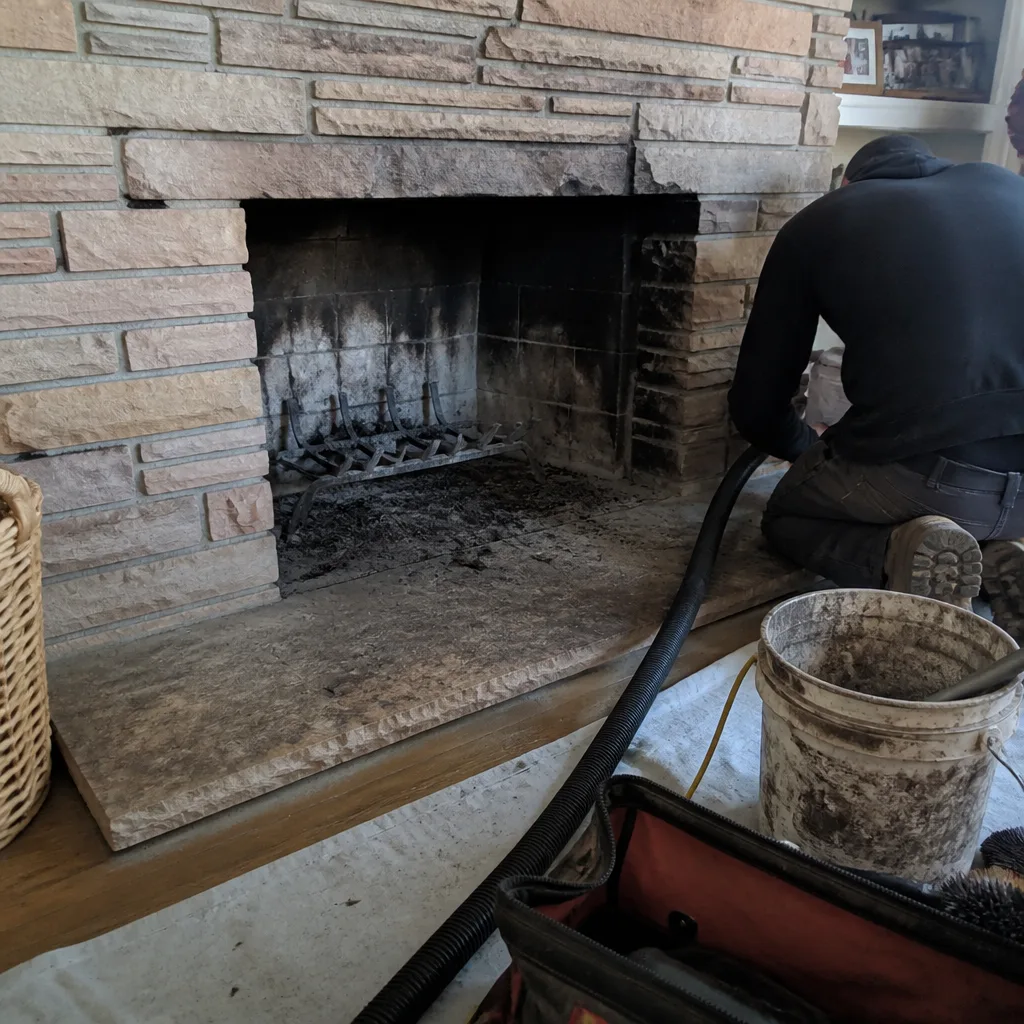
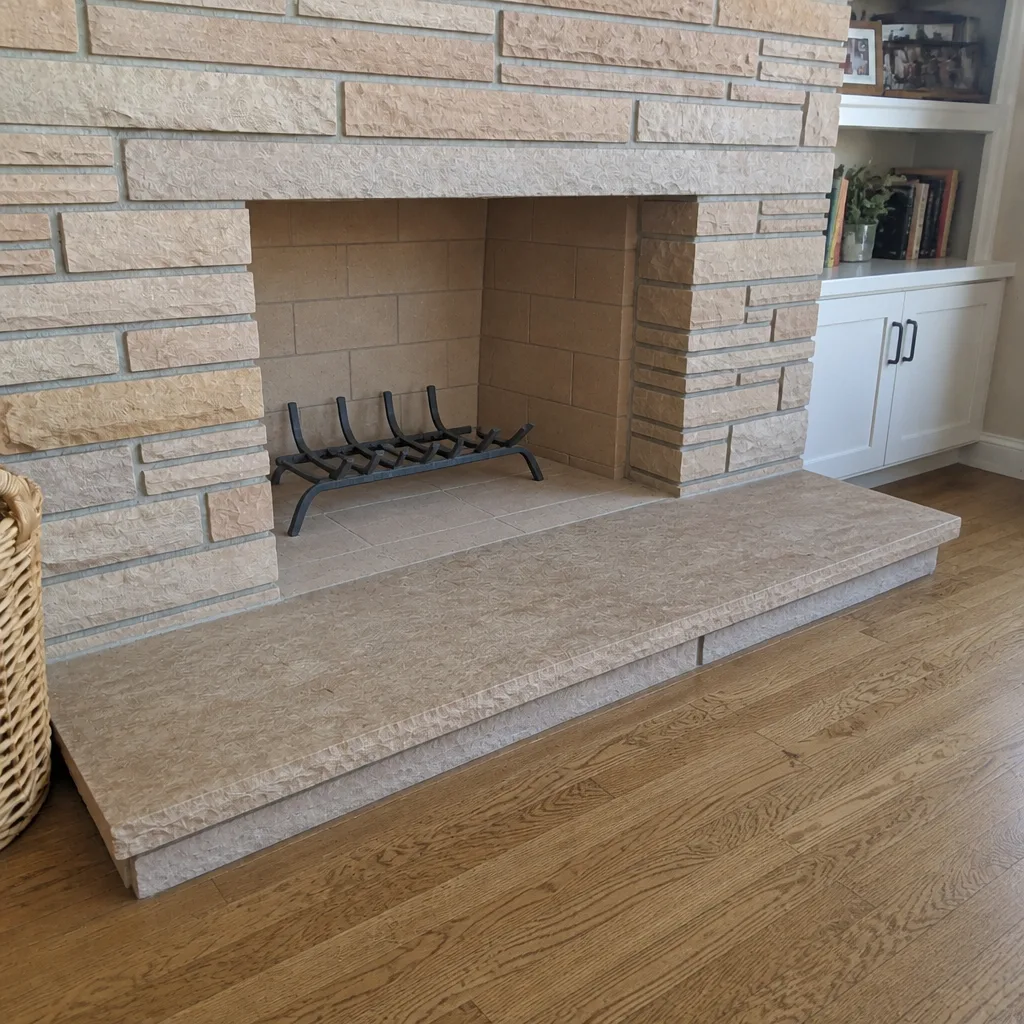
See the difference
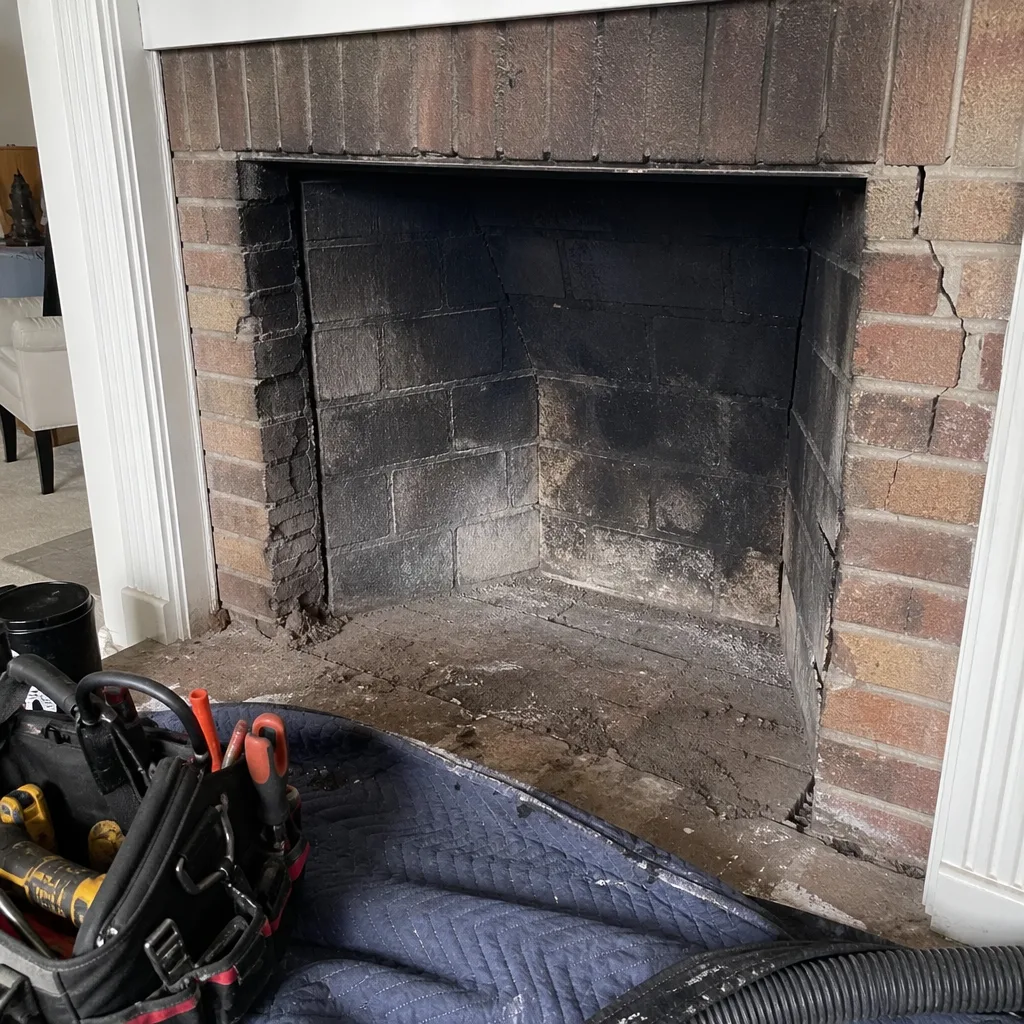 Before
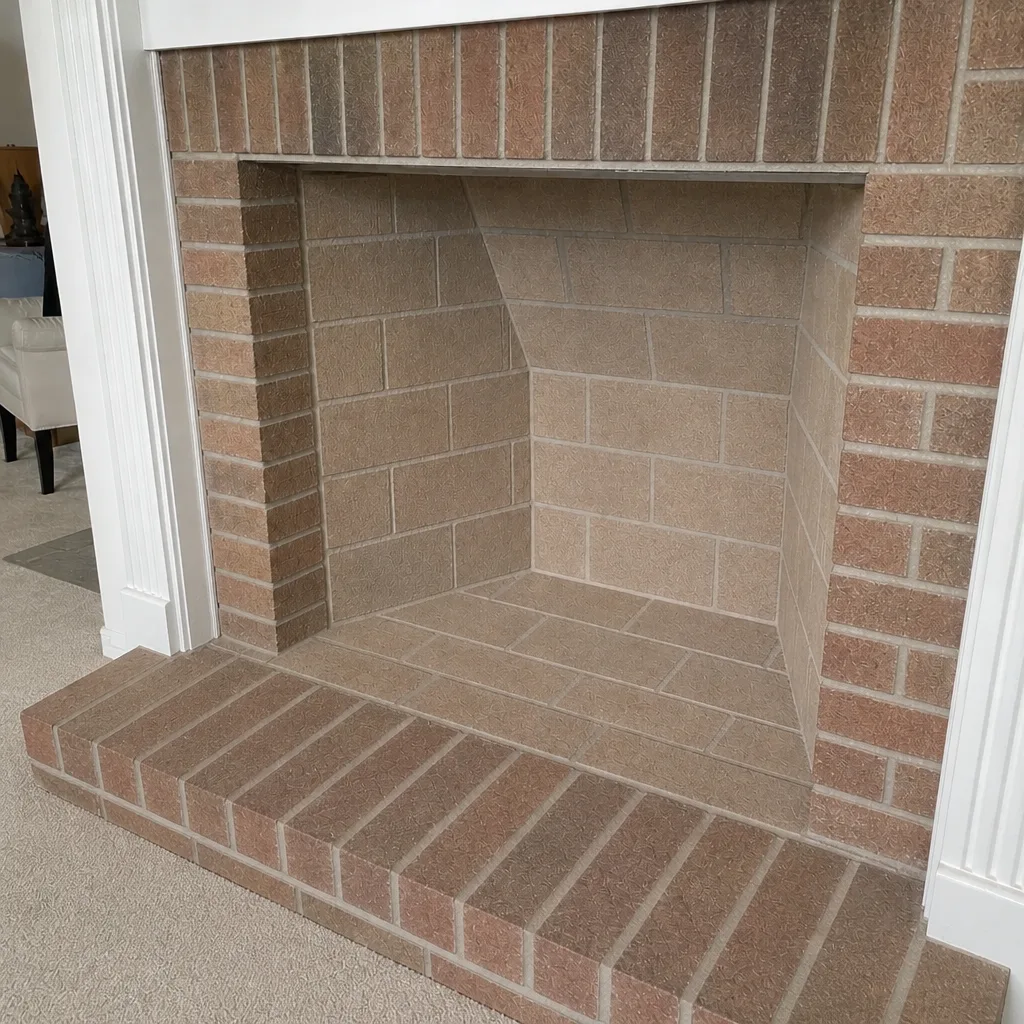 After
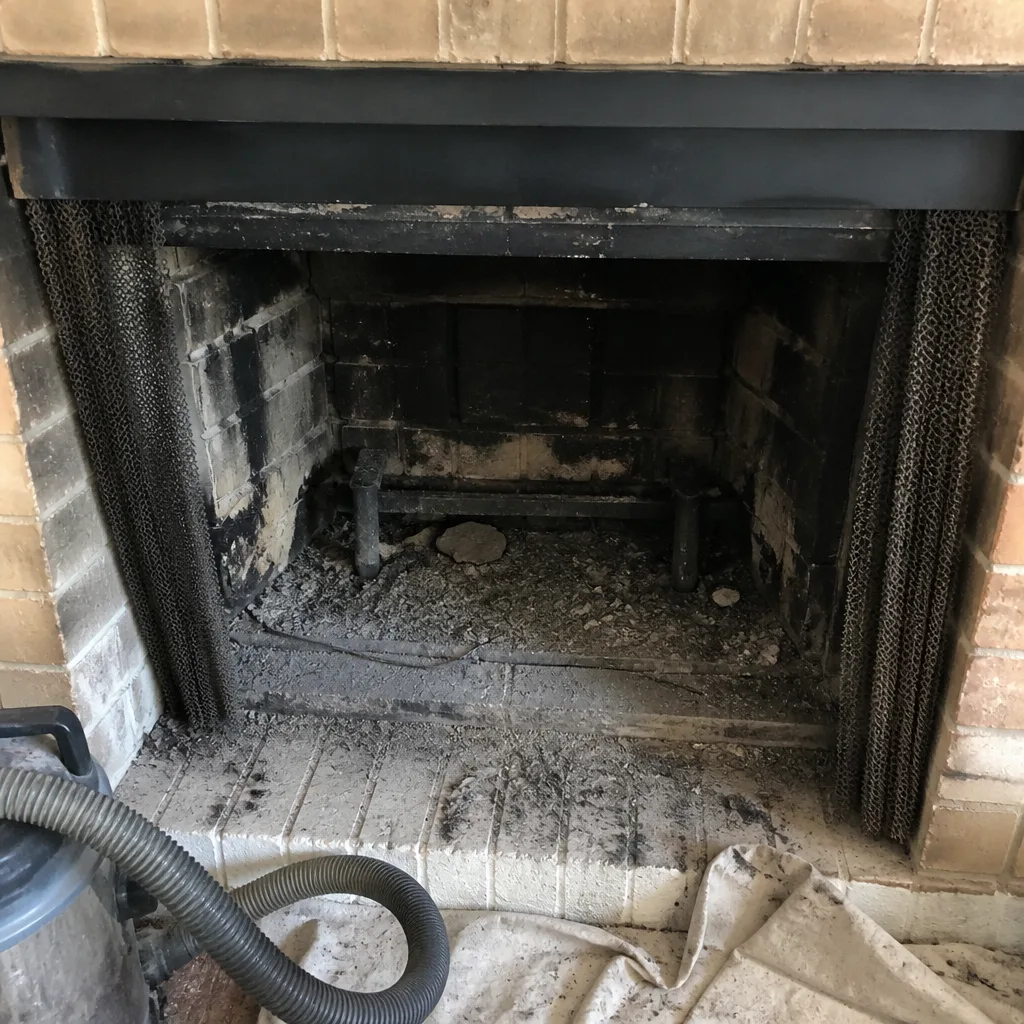 Before
 After
 Before
 After
When to Call a Professional
Call a chimney specialist rather than doing it yourself in any of these situations: any sign of water staining or efflorescence on the brick above the roofline; a chimney cap that’s come loose, rusted, or fallen off; a crack in the crown of any size; a fireplace that smells strongly when it’s not burning; the firebox showing crumbling firebricks; a liner over a few years old that hasn’t had a camera inspection; a home you’re buying or selling that needs a documented condition report; or a fire that hasn’t drafted properly since last spring. These are all conditions where a hands-off approach costs more later. Morningstar Chimney Sweep offers free estimates in Aurora – call (855) 368-2029. We inspect before we sweep, and every job ends with a written account of what we found, what we did, and what (if anything) still needs attention.
Frequently Asked Questions
Most Aurora chimneys need one thorough sweep per year, usually in the fall. If the fireplace burns more than three times a week through winter, a mid-season creosote check is also wise. Call (855) 368-2029 for an exact quote – estimates are free.
Pricing is always per job, based on the specific chimney and its condition, and the written estimate you get before booking is the final word. What we always include in that estimate is the sweep itself, the inspection, and a camera check where the chimney calls for it, so you know exactly what you’re paying for. Call (855) 368-2029 for an exact quote – estimates are free.
Not necessarily every year for a clean, updated chimney, but at least every few years for any flue that’s been in service more than a few seasons. A camera inspection is the only way to confirm the liner is intact after a hard winter. If the camera finds surface-level liner damage, HeatShield resurfacing can often restore it without a full reline. Call (855) 368-2029 for an exact quote – estimates are free.
Water gets in. A hairline crown crack that isn’t seen in July becomes a spalling brick repair in October. In Aurora’s climate the freeze-thaw cycle amplifies the damage quickly. The reason to check the crown every summer is the cost escalates an order of magnitude if it’s left for a full season. Call (855) 368-2029 for an exact quote – estimates are free.
Yes, if the fall inspection came back clean. Once you’re burning more than three fires a week, a mid-season creosote check keeps things safe. If the draft weakens or you smell creosote when the fireplace is off, call us before you light the next fire. Call (855) 368-2029 for an exact quote – estimates are free.
September and early October, before the first freeze and before the fall booking rush. If you miss that window, spring is the next-best option because the post-season inspection catches what winter did. Call (855) 368-2029 for an exact quote – estimates are free.
The Bottom Line
The chimney you don’t use all summer is the one that quietly takes the most damage. Aurora’s 40°F daily swings and monsoon summers turn hairline cracks into costly repairs over a single year. A four-season calendar fixes this: spring inspection, summer crown and cap checks, fall sweep and pre-season inspection before the freeze, and winter creosote checks if you burn hard. Pair the calendar with a camera inspection and you’ll catch problems while they’re cheap. We’re a chimney specialist, not a generalist, and the workers we connect you with use professional-grade parts from the same supply chain commercial contractors rely on. Call (855) 368-2029. We answer 24/7. Fast dispatch from 7am to 7pm, Sunday through Friday. Estimates are free.
Written by the team at Morningstar Chimney Sweep.