
Last updated November 16, 2026
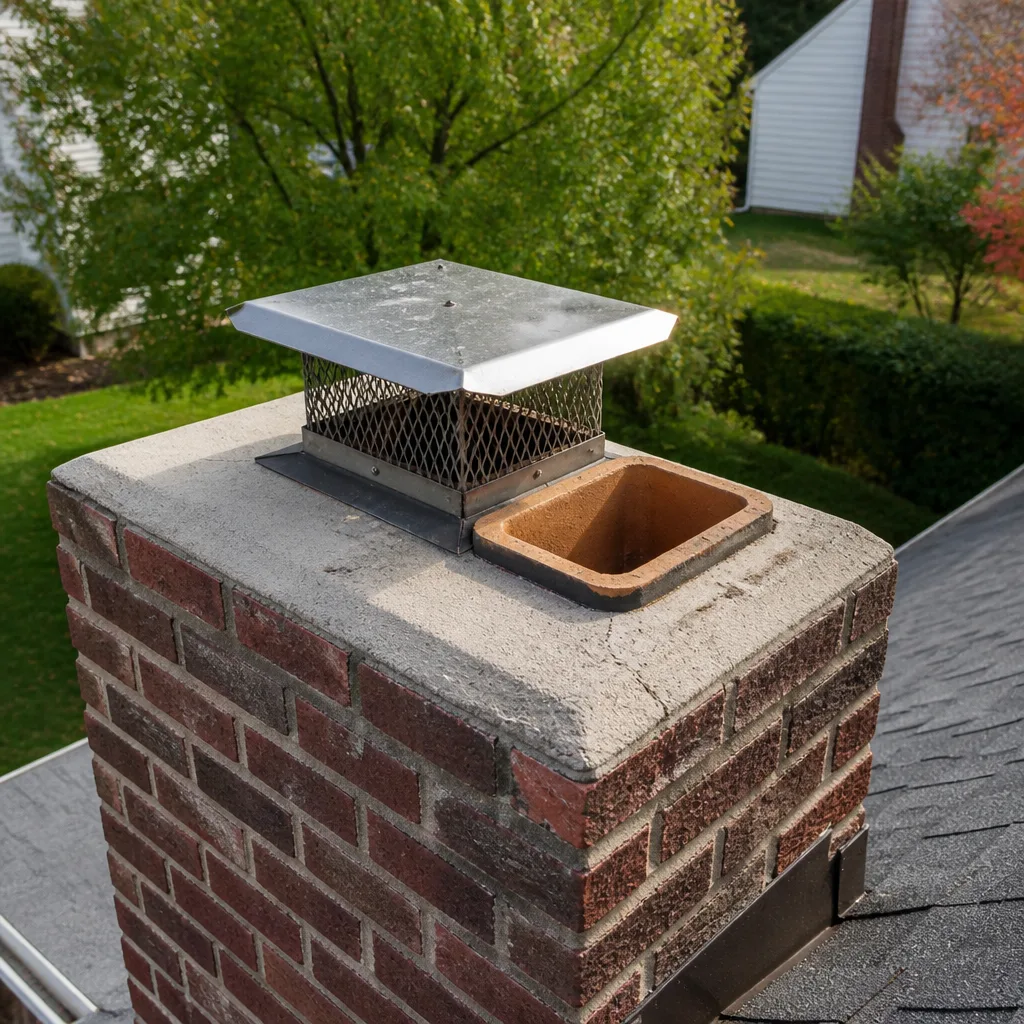 Sweep & inspection
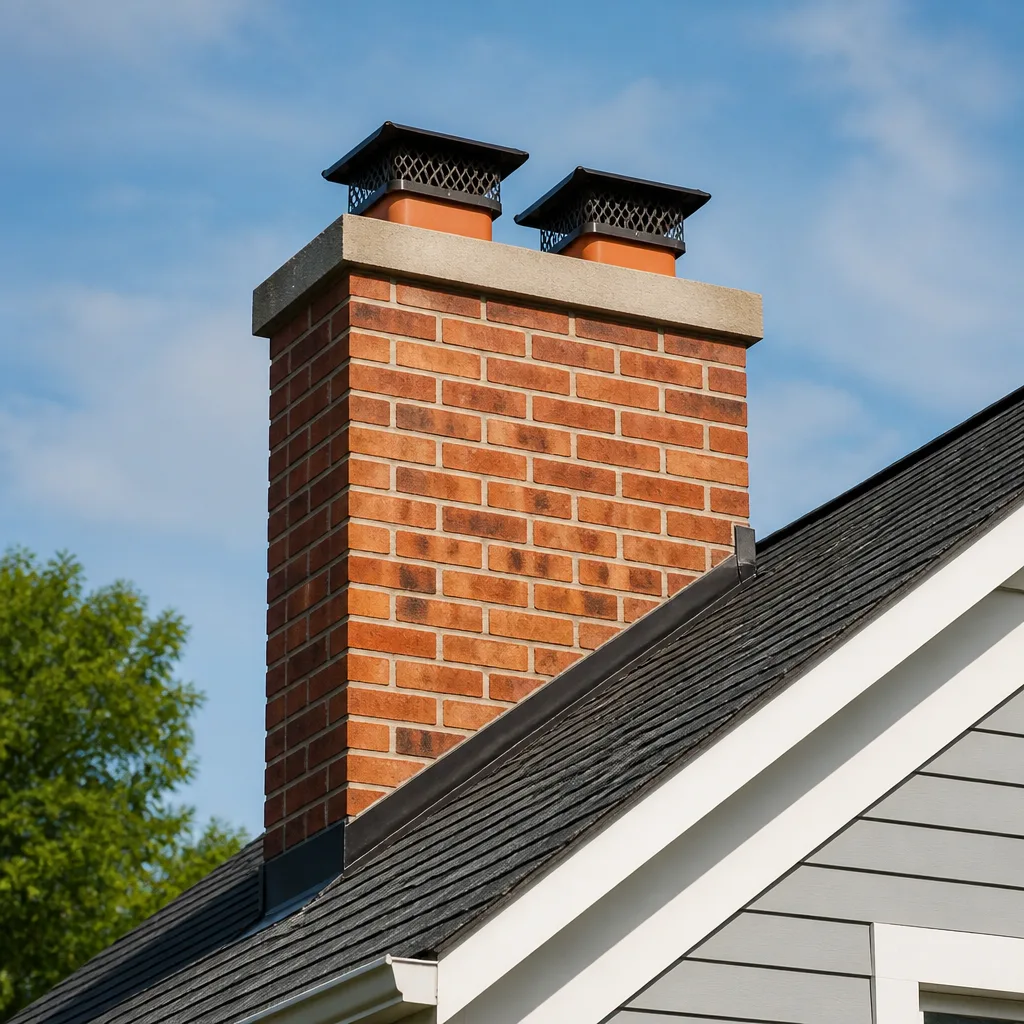 Caps & crowns
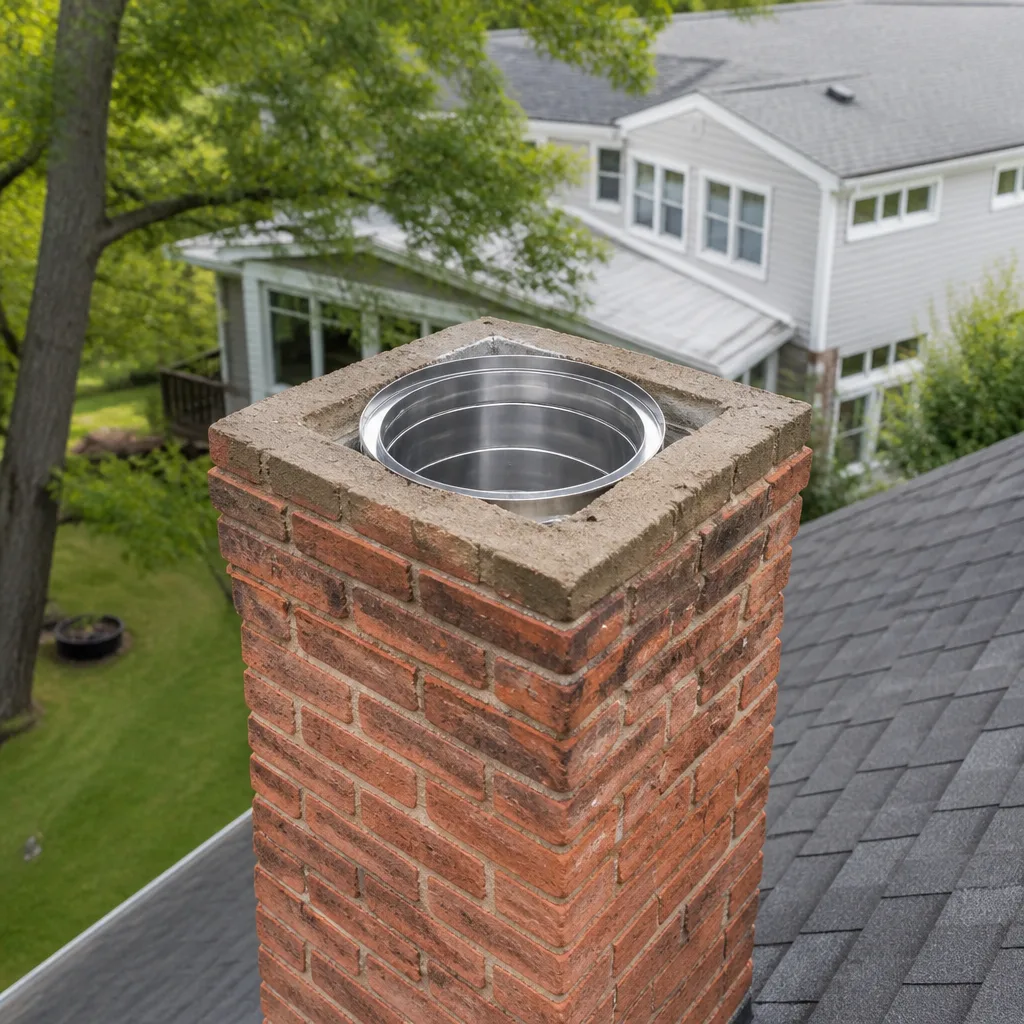 Flue relining
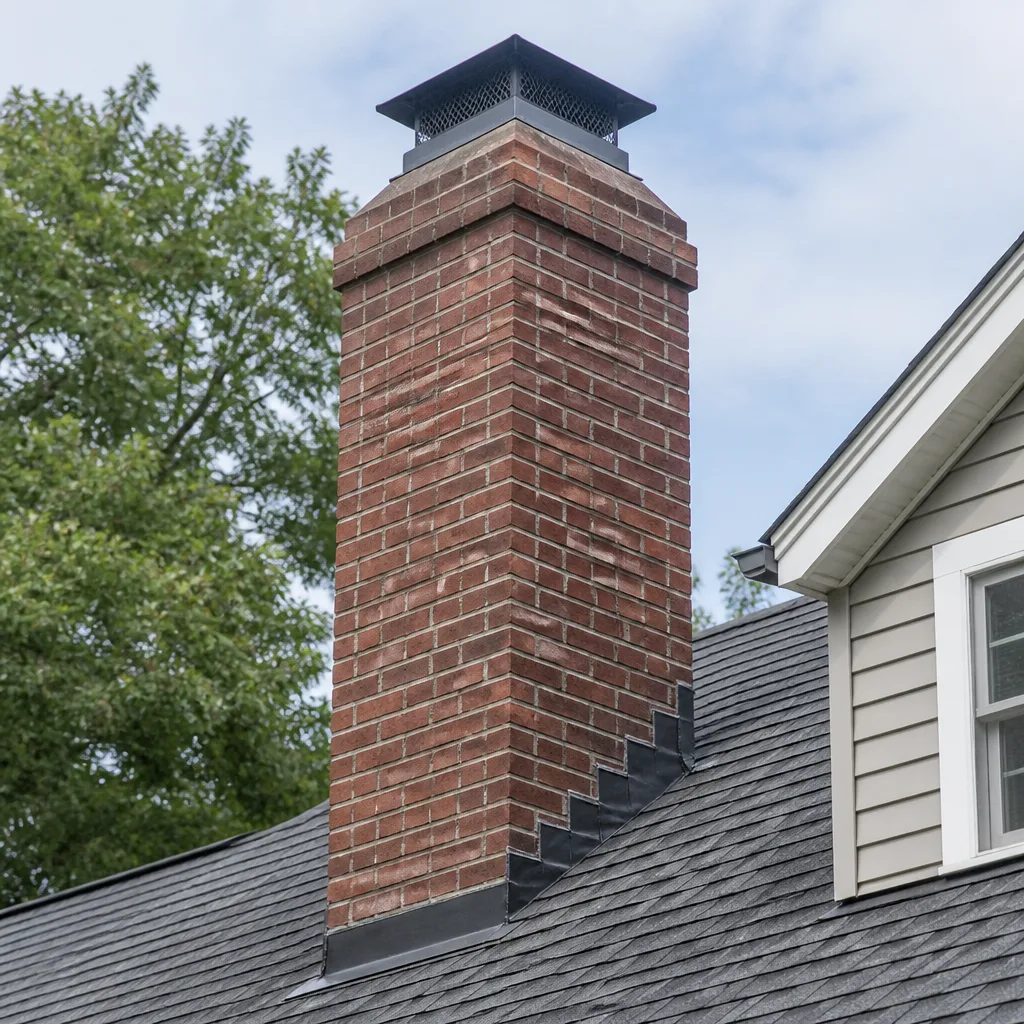 Masonry repair
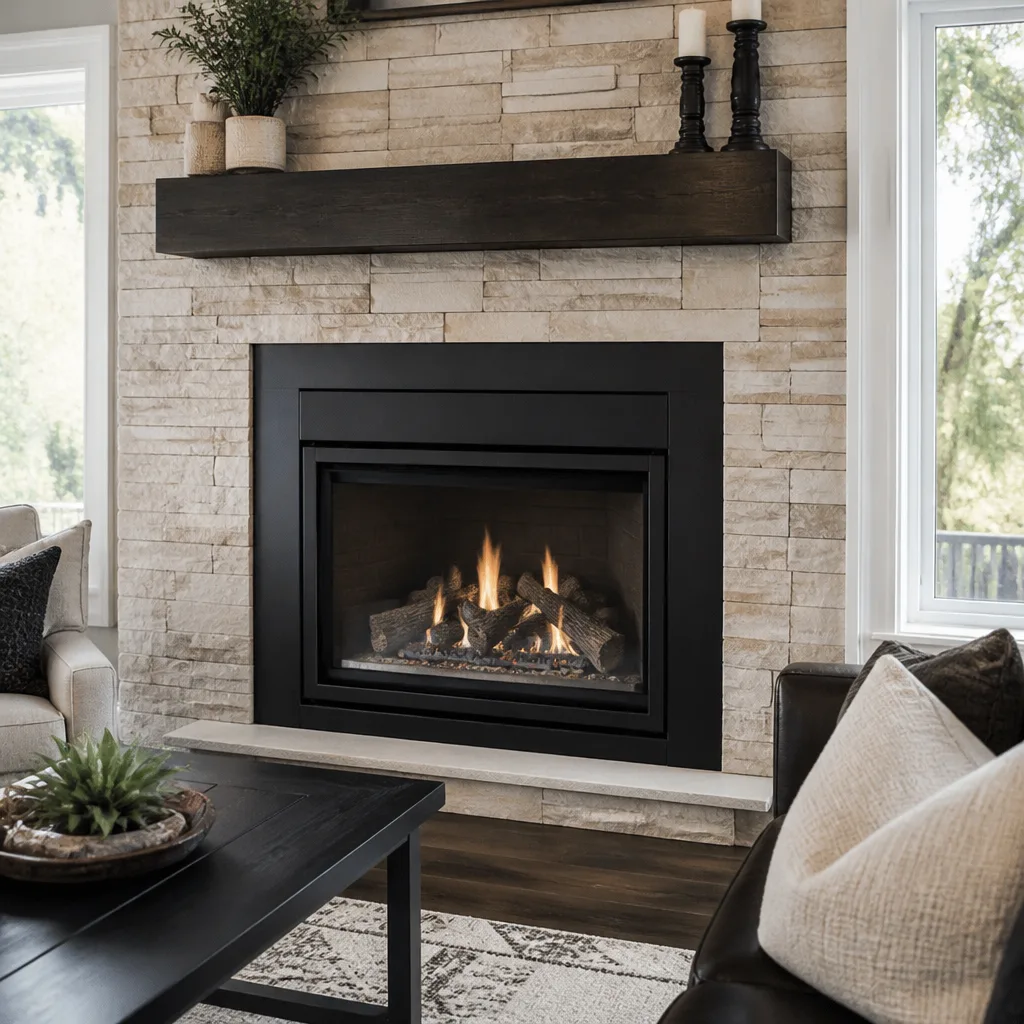 Gas fireplace service
Level 1 sweep and inspection to the NFPA 211 annual standard - flue, crown, cap, and flashing checked and photographed
Chimney sweep logs do not sweep chimneys. They loosen some creosote - which then falls where a brush and vacuum still have to collect it.
Chimney Cleaning Emergency Preparedness Guide for Aurora Homes
Most chimney fires don’t announce themselves. They burn hot and slow inside the flue while your living room stays comfortable, and the first sign many homeowners register is a low roar they mistake for wind in the trees. By the time the sound is unmistakable, the liner has often already cracked. That gap between what’s happening in the chimney and what you notice in the room is where real damage lives, and it’s the reason this guide exists. We’re going to walk you through recognizing a chimney fire in progress, the exact order of actions to take in the first three minutes, what Aurora Fire Rescue expects after an event, how to document your chimney for insurance, and the carbon monoxide risks that winter makes worse in Aurora. Read it before you need it.
Quick Answer
A chimney fire in Aurora is an emergency you may not see coming: it can exceed 2,000°F inside the flue while the room feels normal, and the giveaways are usually sound, smell, and smoke behavior rather than visible flame. If you suspect one, stop adding fuel, close the firebox doors or damper to starve it of air, get everyone outside, and call 911. Then treat the chimney as compromised until a professional inspection proves otherwise, and never relight until you have that documentation in hand.
Styles & brands we work with
- Sweep & inspection
- Caps & crowns
- Flue relining
- Masonry repair
- Gas fireplace service
Table of Contents
- How do you recognize a chimney fire while it’s happening?
- What are the first three minutes, step by step?
- What happens with Aurora Fire Rescue after a chimney fire?
- How do you document your chimney for insurance claims?
- What are the carbon monoxide risks specific to Aurora winters?
- Masonry vs. prefab: how the danger differs
- How do you prepare before the season starts?
- Common mistakes to avoid
- When to call a professional
How do you recognize a chimney fire while it’s happening?
Chimney fires don’t look like campfires. A free-burning chimney fire can roar like a freight train or a low-flying aircraft, and that sound is the most common thing homeowners report noticing first. Other times it’s quieter: a crackling or popping you can hear through the wall, a vibration you feel more than hear. The point is that sound is often your earliest warning, not sight.
Look and smell for these signals, any one of which is reason enough to act:
- Puffy smoke or a sudden smoke change. Thick, dark or unusually billowing smoke from the top of the chimney, or a sudden change in how the smoke behaves, points to a fire above the firebox.
- A hot smell. A burning, acrid, or metallic smell in the room, distinct from the normal wood-smoke scent, can mean the flue is overheating.
- Creosote flakes or debris on the roof or ground. Chunks of creosote or bits of burned material landing around the chimney cap are a sign something is burning where it shouldn’t.
- Discolored or warped metal. On prefab systems, a warped cap, a blued damper, or a distorted rain cover is a visible sign of extreme heat.
- Popping or tapping from the stovepipe. On a wood stove, a rhythmic ticking or popping from the pipe is a classic warning.
- Smoke backing into the room. Smoke that won’t draw or that pushes back into the living space during a burn.
On masonry chimneys, look for cracks in the exterior brick or mortar, and for the telltale “honeycomb” texture where creosote has burned and re-formed glazed. On prefab systems the concern is the metal flue itself: warping, split seams, or a failed gasket. Weather in Aurora’s high, dry climate swings hard between seasons, and that freeze-thaw cycle is hard on masonry. A hairline crack in the mortar crown from a cold snap can become the path a chimney fire uses to reach framing. That’s why we at Morningstar inspect before we sweep: the condition of the flue matters as much as the amount of creosote.
What are the first three minutes, step by step?
Order matters. The single biggest reason chimney fires cause structural damage is that homeowners take the right actions in the wrong sequence, or add a step that feeds the fire. Here’s the sequence we want every Aurora household to have memorized.
- Stop feeding the fire. Don’t add wood, and don’t open the firebox door wide to look. More air and more fuel is exactly what a chimney fire wants. If you can close the firebox doors or dampers without putting yourself in the smoke path, do it. This starves the fire of oxygen and slows the burn.
- Get everyone out of the house and call 911. This is the step people skip because “it might just be a normal burn.” Do not skip it. Get people and pets outside first, then call. Aurora Fire Rescue is the trained authority on whether the fire is contained to the flue or has entered the structure, and only they can make that call safely.
- Tell the dispatcher specifically. Say “chimney fire” and describe the sounds, smells, and smoke you saw. If you have a wood stove, tell them. This changes their response.
- Have your documentation ready for the fire department. If you have a prior inspection report, grab it. If you have before-season photos, have them available. It speeds the process and it helps the fire department understand your chimney’s condition.
What not to do: don’t try to put water on a chimney fire from inside the firebox (it can shatter a hot flue), don’t climb up and try to close the cap or cover, and don’t go back inside to retrieve anything. The most important thing you can do in the first three minutes is to not make it worse. Then, after the fire department has cleared the scene, do not relight the fireplace. Ever. Not until a professional has inspected the flue and given you written clearance.
What happens with Aurora Fire Rescue after a chimney fire?
This is the part of the guide most people never learn until it’s happening, and it matters for two reasons: it tells you exactly when you can and cannot relight, and it tells you exactly what documentation the department leaves behind. Aurora Fire Rescue does not leave a homeowner guessing. After a chimney fire, the department follows a standard post-fire protocol that generally includes extinguishment, scene stabilization, and an assessment of whether the fire escaped the flue into structural elements.
Here’s what you can expect and what to do with each part:
- Clearing the scene. When the fire department determines the fire is extinguished and the structure is safe to re-enter, you get the all-clear. This is about safety of the structure, not about whether your chimney is safe to use.
- A fire incident report. You’ll typically receive, or be able to request, a written fire report. This document is critical for insurance. Keep the original and a copy.
- A red tag or do-not-use notice. Depending on severity, the department may mark the appliance or system as not safe for use. If they do, that means no relighting and no use until cleared.
- A referral to a qualified chimney professional. The fire department cannot certify a chimney as safe to relight. That is a job for a trained chimney inspector with a documented condition report.
What you can and cannot do: if the department has not issued a notice and has cleared the scene, you still cannot relight. The absence of a tag is not clearance. The only thing that lets you relight safely is a post-fire inspection that examines the flue, cap, damper, firebox, and, on a masonry chimney, the mortar and crown, and that produces a written report. If you’d rather not guess, we can produce that report. Morningstar Chimney Sweep provides inspections whose condition report you can hand to your insurer, your real-estate agent, or the local fire marshal. Call (855) 368-2029. We answer 24/7. Fast dispatch from 7am to 7pm, Sunday through Friday.
How do you document your chimney for insurance claims?
Insurance claims after a chimney fire hang on documentation that exists before the fire, not after. That’s the counterintuitive part. If you call your insurer after a fire with nothing but a damaged flue, you’re arguing about what the condition was beforehand. If you call your insurer with a before-season inspection report and dated photos, you’re showing them. That’s the difference between a claim that moves quickly and a claim that stalls.
Here’s the documentation we recommend every Aurora homeowner keeps on hand, year-round:
- A current inspection report. A written condition report from a professional inspection, with findings and photos. Morningstar produces documented condition reports you can present to your insurer, a real-estate agent, or the local fire marshal.
- Dated photos of the firebox interior, the flue top and cap, and the firebox exterior. Before the season starts and after it ends. Smartphone photos are enough. What matters is a date stamp and a clear view.
- Photos of the chimney exterior, including the crown and the roof flashing. So there’s a baseline for what the masonry looked like before winter.
- Your sweep record. When the chimney was last swept, by whom, and what was found. Creosote level and any noted deficiencies.
- A photo of the firebox after each season. If you see any cracked tile, warped metal, or damaged mortar, that’s a finding to document now, not later.
One practical note: store this documentation somewhere that won’t be lost in a house fire. Cloud storage is fine. A fireproof safe is better. The point is that it’s available when the fire department or your insurer asks. If your inspection turns up a deficiency, the report is also useful if a prospective buyer or their insurer asks about the chimney. Aurora’s real-estate market moves quickly, and a documented chimney often removes a negotiation obstacle before it starts.
What are the carbon monoxide risks specific to Aurora winters?
Carbon monoxide is the chimney emergency that doesn’t announce itself with a roar. A blocked flue, a failed damper, or improper venting on a gas insert or gas fireplace can push carbon monoxide into the living space without anyone noticing. It’s odorless and colorless, which is exactly why detector placement matters more than most homeowners realize.
Here’s where the risk actually comes from in an Aurora home:
- Blocked flues. Creosote buildup, a bird’s nest, or a fallen cap can obstruct the flue. In winter, a blocked flue means exhaust goes into the house instead of up it.
- Failed or partially closed dampers. A damper that won’t open fully, or a damper stuck closed after a chimney fire, traps exhaust.
- Improper gas insert venting. A gas insert that was vented to a flue that isn’t properly sized or lined for it can spill carbon monoxide into the room. This is the hazard most homeowners don’t see because there’s no smoke and no smell.
- Backdrafting in high-wind conditions. Aurora’s winter wind can create pressure differences that push exhaust back down a flue.
On detector placement: put a carbon monoxide alarm on every level of the home and outside sleeping areas. That’s the baseline. The specific placement that covers chimney hazards is a detector in the same room as the fireplace or wood stove, and one near the furnace or water heater if they share a chimney. In our experience, most chimney-related CO incidents involve a home with a detector that was in the wrong place to catch the source. And none of this replaces the basics: a CO detector is a backup, not a substitute for having the chimney swept and inspected.
One more note. A faulty fire can look like a normal fire for a long time. If you smell exhaust in the room while a fire is burning, or if your CO detector triggers during a burn, treat it as a chimney problem first. Get outside and call. And get the chimney inspected before you burn again.
Masonry vs. prefab: how the danger differs
Aurora has both masonry chimneys, which are the older brick-and-mortar construction that’s been around for generations, and prefab or factory-built systems, which are common in newer construction and in homes where a chimney was added later. They fail in different ways, and the signs of trouble are different for each.
Masonry chimneys fail by cracking. The flue tiles can crack from a chimney fire, from a house shift, or from weather. Once the flue tile cracks, the next fire can send heat into the surrounding brick and framing. A masonry chimney also carries the risk of mortar crown failure and spalling brick. If your Aurora home has a masonry chimney, the inspection that matters is a camera inspection of the flue, not just a look from the top. We use camera inspection with a photo report so you can see what we see.
Prefab or factory-built systems fail by warping or by a failed gasket or joint. Prefab flues are metal, and metal warps under extreme heat. A prefab chimney fire can leave the flue bent, the seams split, or the high-temperature gasket compromised. In many cases, a prefab system that’s been through a fire isn’t repairable with a patch. The flue has to be replaced, and that’s a job for a professional with the right materials. We stock professional-grade liners through DuraFlex, which is the industry standard for safe, code-compliant relining.
What both types share is that the worst damage often isn’t visible from the room. You can’t see a cracked flue tile or a split prefab seam from the firebox. That’s why the post-fire inspection isn’t optional, and it’s why a camera-based inspection produces evidence you can actually look at.
How do you prepare before the season starts?
Preparedness isn’t a fire drill. It’s a set of decisions you make before the first cold night in Aurora, so that when something goes wrong you’re not making decisions under pressure. Here’s the prep routine we recommend to Aurora homeowners.
- Get an inspection before the heating season. Spring or early fall, before you start burning. A professional will inspect the flue, the cap, the crown, the damper, the firebox, and the firebox exterior, and produce a documented report.
- Get a sweep if the inspection calls for it. Creosote builds differently in every home, but a chimney with heavy creosote is a chimney that will burn it if a fire starts.
- Check your chimney cap and cover. A missing or loose cap lets rain, snow, birds, and debris into the flue. A capped chimney stays cleaner and safer. We install caps through the Gelco and Famco lines.
- Confirm your carbon monoxide alarms work. Every level, outside sleeping areas, one in the fireplace room.
- Photograph your chimney system. Before the season. Firebox, flue top, crown, exterior.
- Keep your fire small, hot, and well-ventilated. This reduces creosote. A smoldering fire is a creosote factory.
- Remember the order if a fire happens. Stop the fuel, get out, call 911.
The inspection does two things. It catches problems before they become emergencies, and it produces documentation you’ll want if a fire ever does happen. That documentation is also what we hand to an insurer, a real-estate agent, or a fire marshal when they ask. You can start the process with a chimney sweep that includes the inspection, or with a standalone chimney repair assessment if you already suspect damage.
Common Mistakes to Avoid
- Assuming a “safe fire” won’t cause a chimney fire. The fire in the firebox isn’t the risk. The creosote in the flue is the fuel, and a slow, smoldering fire builds more of it. The chimney that looks fine from the hearth may not be fine from the top.
- Relighting after a fire because the fire department didn’t leave a tag. The absence of a red tag is not clearance to burn. The only thing that lets you relight is a post-fire inspection with a written report.
- Skipping photos and documentation. Homeowners who can produce a before-season inspection report and dated photos move their claim faster than those who can’t. It’s an hour of your time that saves weeks of arguing.
- Placing a CO detector only in the hall. Detector placement matters. Put one in the room with the fireplace and one near the furnace if they share a chimney. A single detector in a hallway doesn’t cover a backdrafting flue.
- Ignoring the chimney cap. In Aurora’s wind and snow, an uncapped flue collects debris and water. Rain and snow in the flue compromise the fire’s draw and accelerate deterioration.
- Sweeping and leaving, without an inspection. A sweep without a documented inspection tells you the flue is cleaner, not that it’s safe. The inspection is what produces the report your insurer or fire marshal will ask for.
- Trusting a hardware-store patch on a damaged flue. A patch is not a liner. A damaged flue needs a professional material, whether that’s a DuraFlex liner or a HeatShield resurfacing. Generic materials don’t hold up to the heat a chimney actually sees.
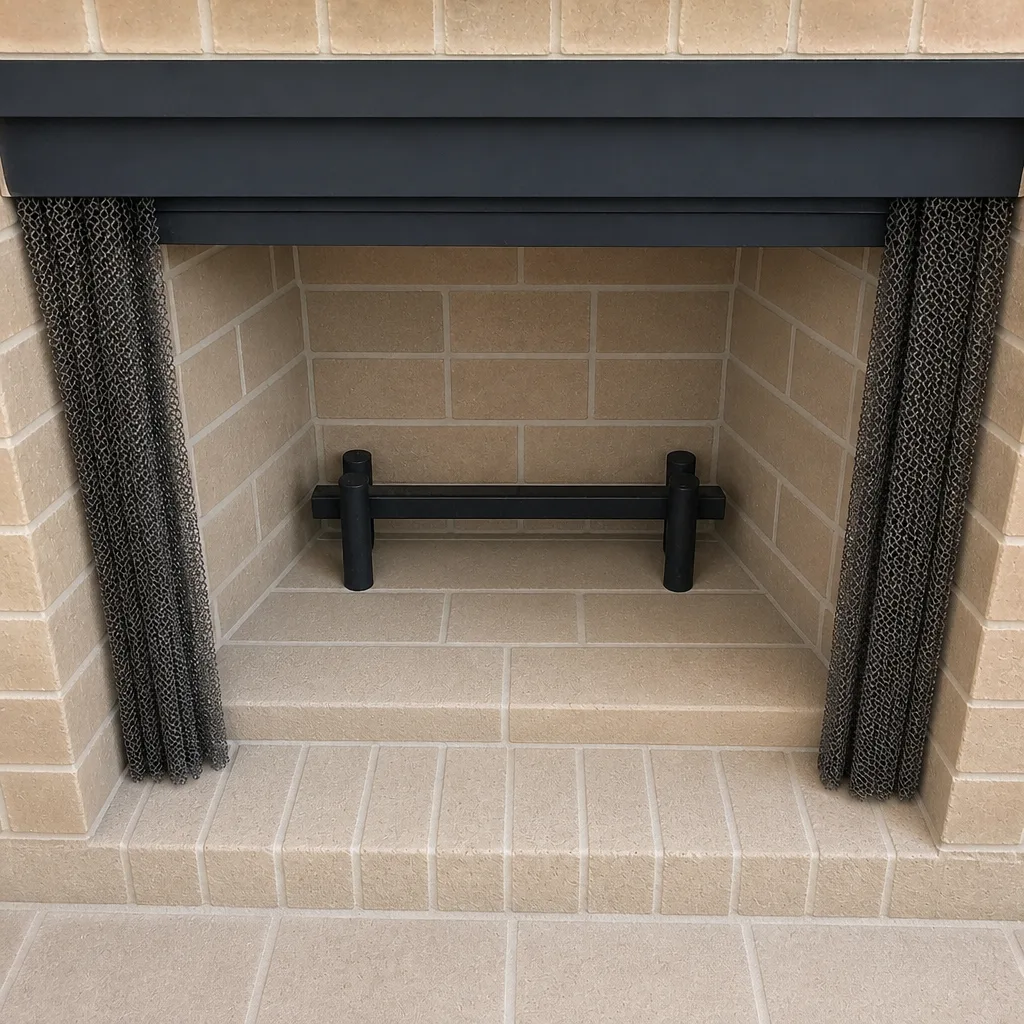
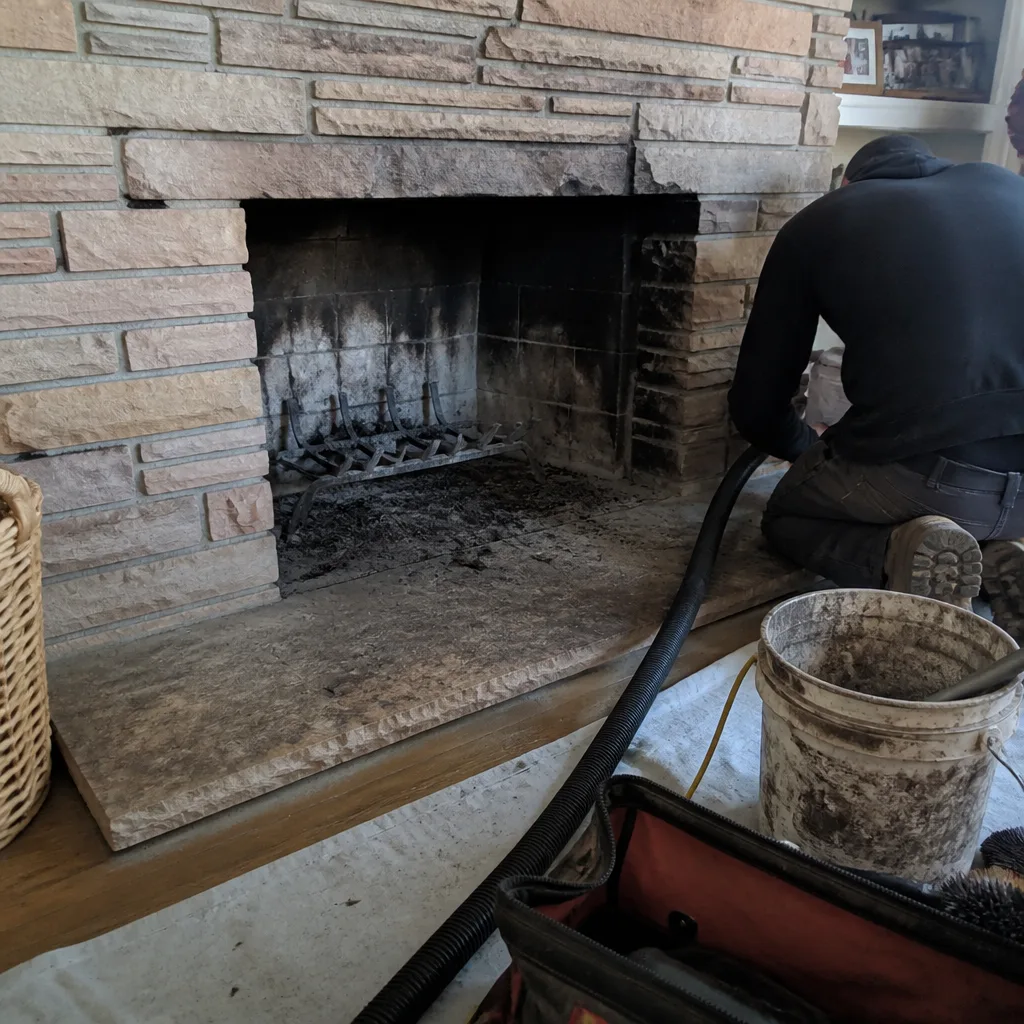
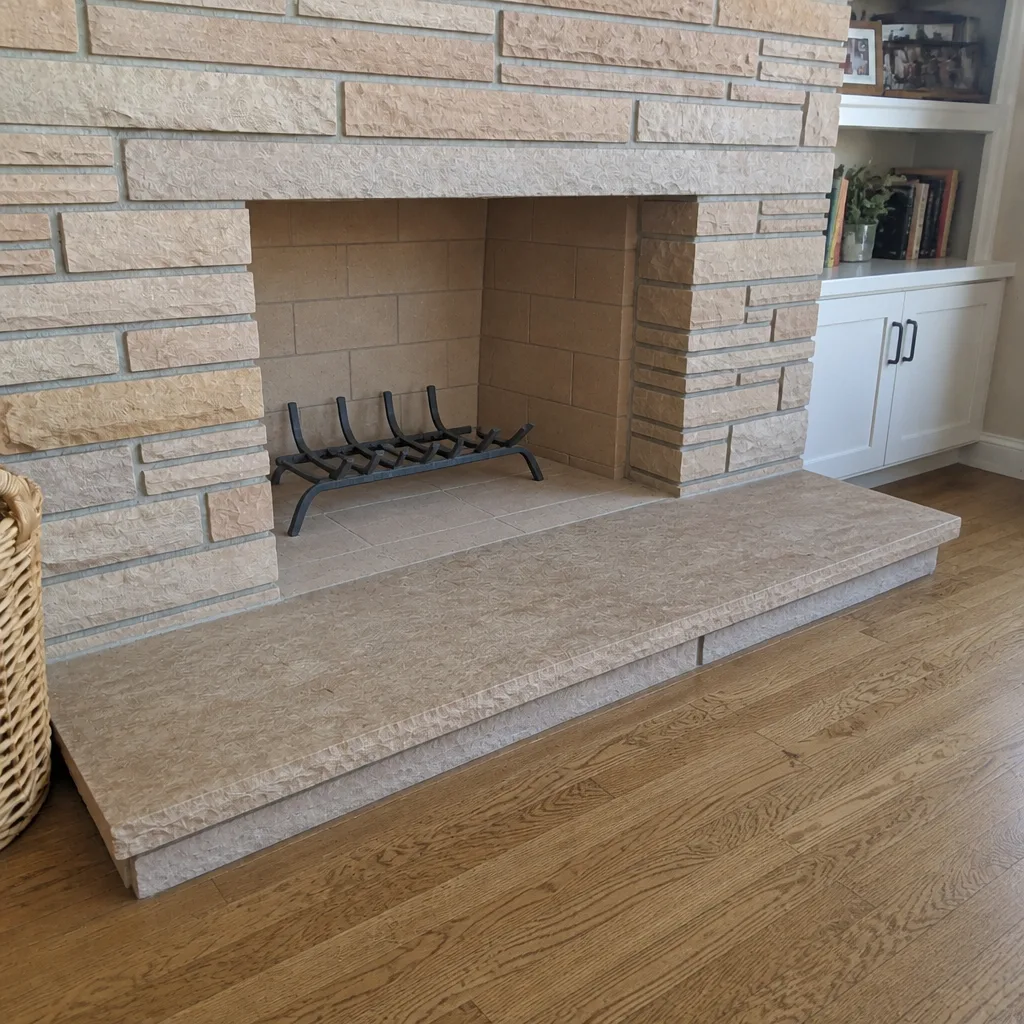
See the difference
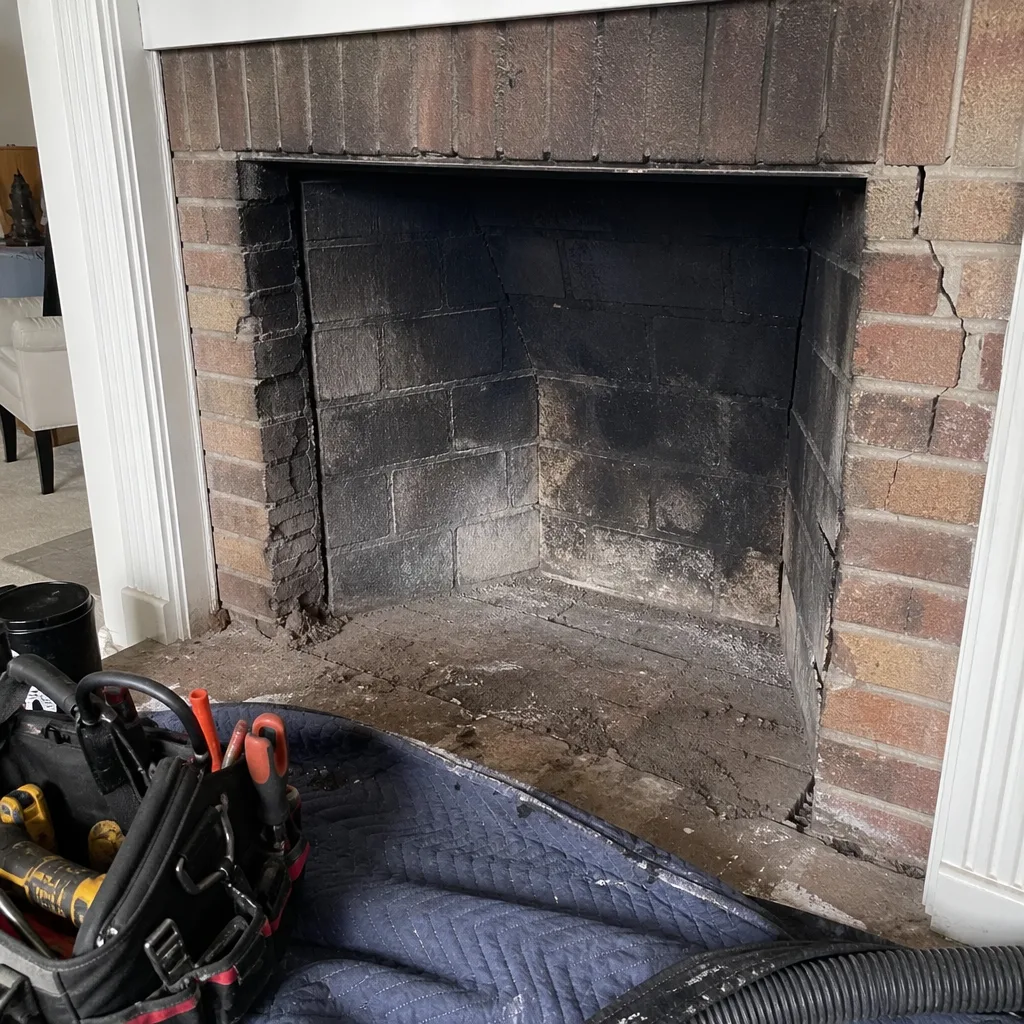 Before
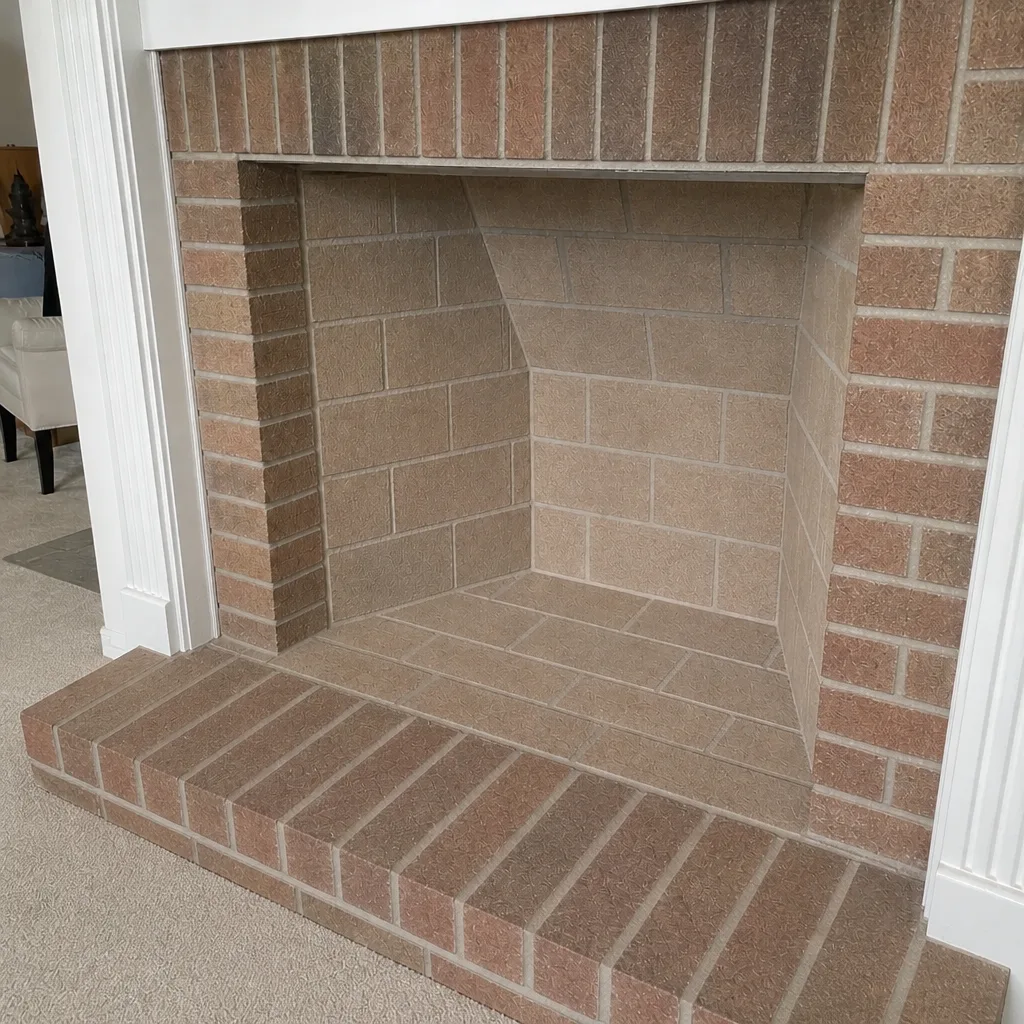 After
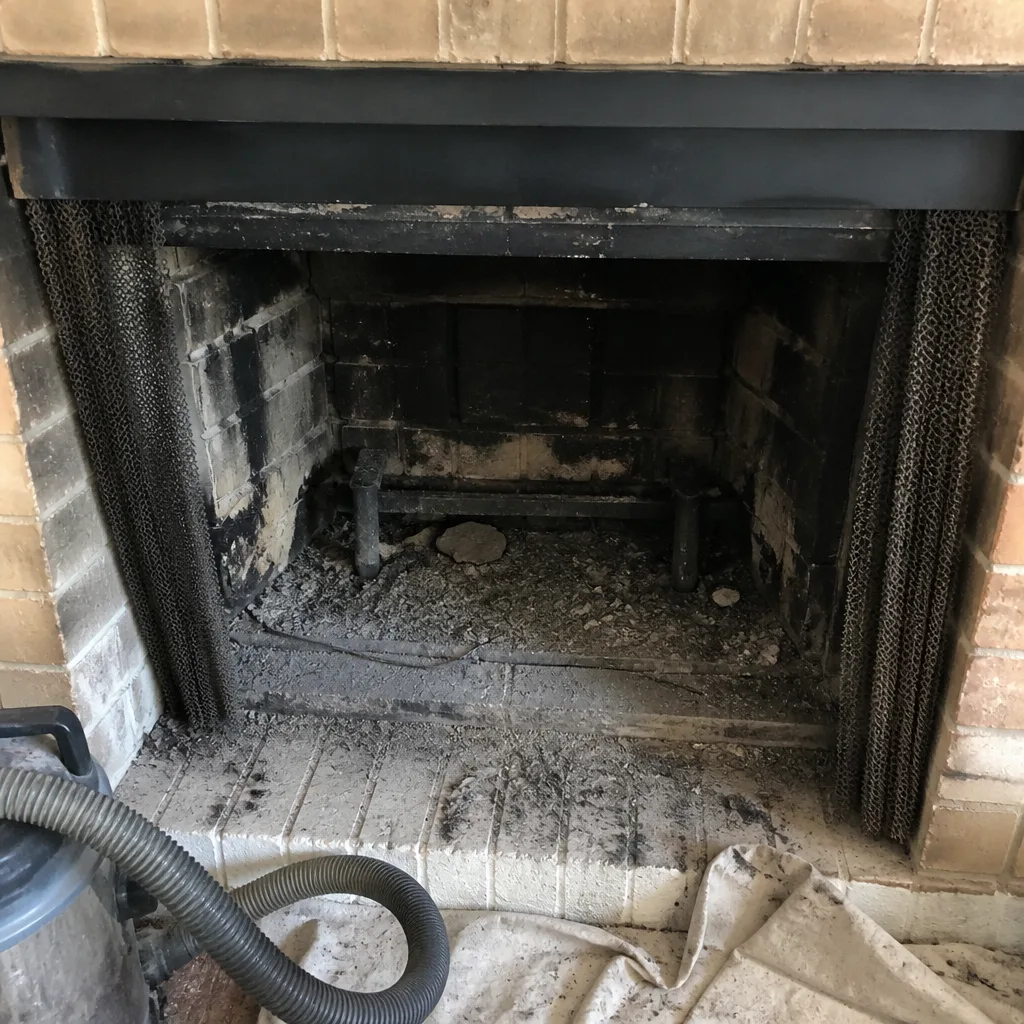 Before
 After
 Before
 After
When to Call a Professional
Call us if you’ve had a chimney fire and need a post-fire inspection with a written report before you relight. Call if your CO detector has gone off during a burn. Call if your fireplace won’t draw, if smoke backs into the room, or if you smell exhaust while a fire is burning. Call if you’ve bought or are selling a home in Aurora and need a documented inspection an insurer or a real-estate agent will accept. Call if you’ve never had the chimney inspected and you burn wood regularly. And call if you’re unsure which of those applies to you. A conversation costs you nothing.
Morningstar Chimney Sweep offers free estimates in Aurora. We handle the sweep, the inspection, and the repair, so you’re not coordinating three contractors. Call (855) 368-2029 for a free estimate. We answer 24/7. Fast dispatch from 7am to 7pm, Sunday through Friday, and we’re closed Saturday.
Frequently Asked Questions
Sound is the most common first sign: a roar, crackling, or popping inside the flue. Also watch for thick or suddenly changing smoke, creosote flakes on the roof, warped metal on the cap, and a hot or acrid smell in the room. If you suspect a chimney fire, stop adding fuel, close the firebox doors if you can do so safely, get everyone outside, and call 911. A chimney professional should inspect the flue before you relight. For an inspection you can rely on, call (855) 368-2029.
Not until a professional has inspected the flue and given you written clearance, even if the fire department didn’t leave a tag. A fire can damage the flue without obvious visible signs from the room. The report protects you, and it’s what your insurer will want to see. Call (855) 368-2029 to schedule a post-fire inspection.
You’ll typically receive a written fire incident report, and depending on severity, a red tag or do-not-use notice for the appliance. Keep both. The fire department does not certify a chimney safe to relight; that’s a job for a trained chimney inspector. Our inspection produces a documented condition report you can present to your insurer, real-estate agent, or the local fire marshal. Call (855) 368-2029 for a free estimate.
The main risks are a blocked flue, a failed or stuck damper, and an improperly vented gas insert. All three can push carbon monoxide into the living space without obvious smoke. Put a CO detector on every level of the home, outside sleeping areas, and in the same room as the fireplace or wood stove. If your detector triggers during a burn, get outside and call for help, and have the chimney inspected before you burn again. Call (855) 368-2029 with questions.
Once a year is the general best practice. Aurora’s freeze-thaw cycle is hard on masonry, and a chimney that goes through winter without inspection can carry damage into the next season. If you had a chimney fire, an inspection is needed before you relight, regardless of when the last one was. Morningstar Chimney Sweep offers free estimates in Aurora. Call (855) 368-2029. We answer 24/7. Fast dispatch from 7am to 7pm, Sunday through Friday.
It depends on what the inspection finds. HeatShield resurfacing is a specialist-only repair method that restores a deteriorated flue liner and extends chimney life without the cost of a full reliner. A full DuraFlex liner may be the right answer if the flue is damaged enough that resurfacing won’t hold. The decision should follow the inspection, not precede it. Call (855) 368-2029 for an estimate and we’ll walk you through what the inspection found.
The Bottom Line
A chimney fire is a slow, hidden event more often than a dramatic one. The decisions that matter are made before it starts and in the first three minutes after it does. Get an inspection before the season, keep the documentation, know the order of actions (stop the fuel, get out, call 911, don’t relight), and take carbon monoxide seriously with detectors in the right rooms. If you’ve had a fire, don’t relight until a professional inspects the flue and gives you a written report. Aurora homes deserve an inspection that produces evidence, not a guess. That’s the work we do. Morningstar Chimney Sweep handles the sweep, the inspection, and the repair under one roof, with professional-grade materials. Wondering about your own chimney? See how we handle a complete chimney service, check our Aurora service details, and call (855) 368-2029 for a free estimate. We answer 24/7. Fast dispatch from 7am to 7pm, Sunday through Friday.
Written by the team at Morningstar Chimney Sweep.