
Last updated November 16, 2026
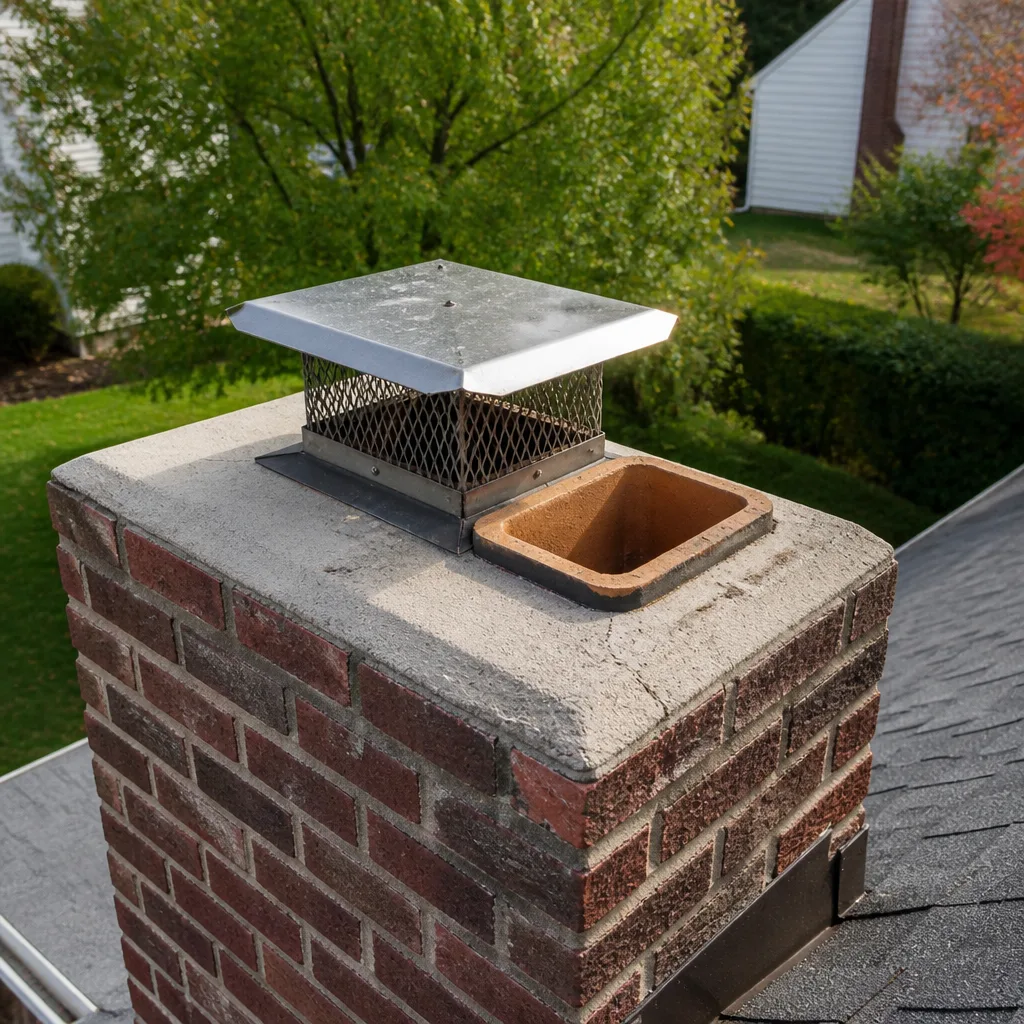 Sweep & inspection
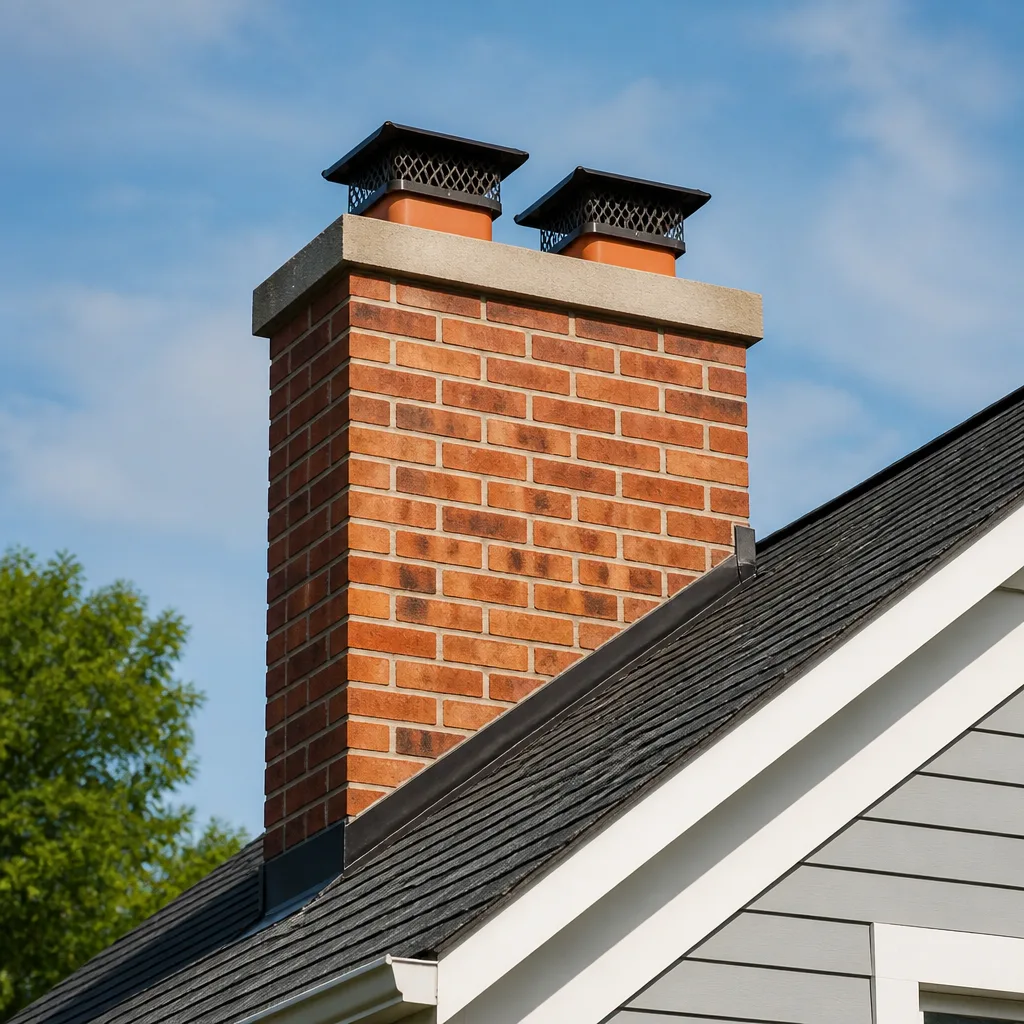 Caps & crowns
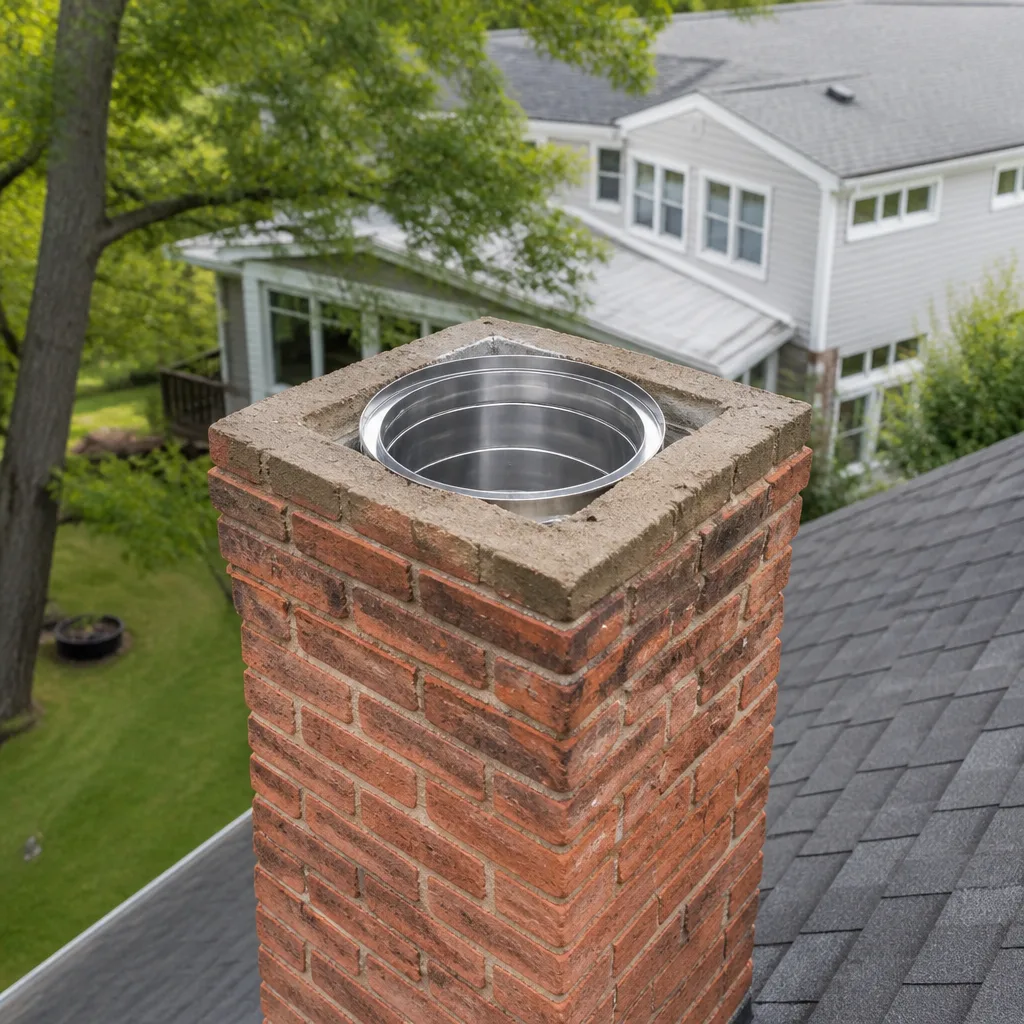 Flue relining
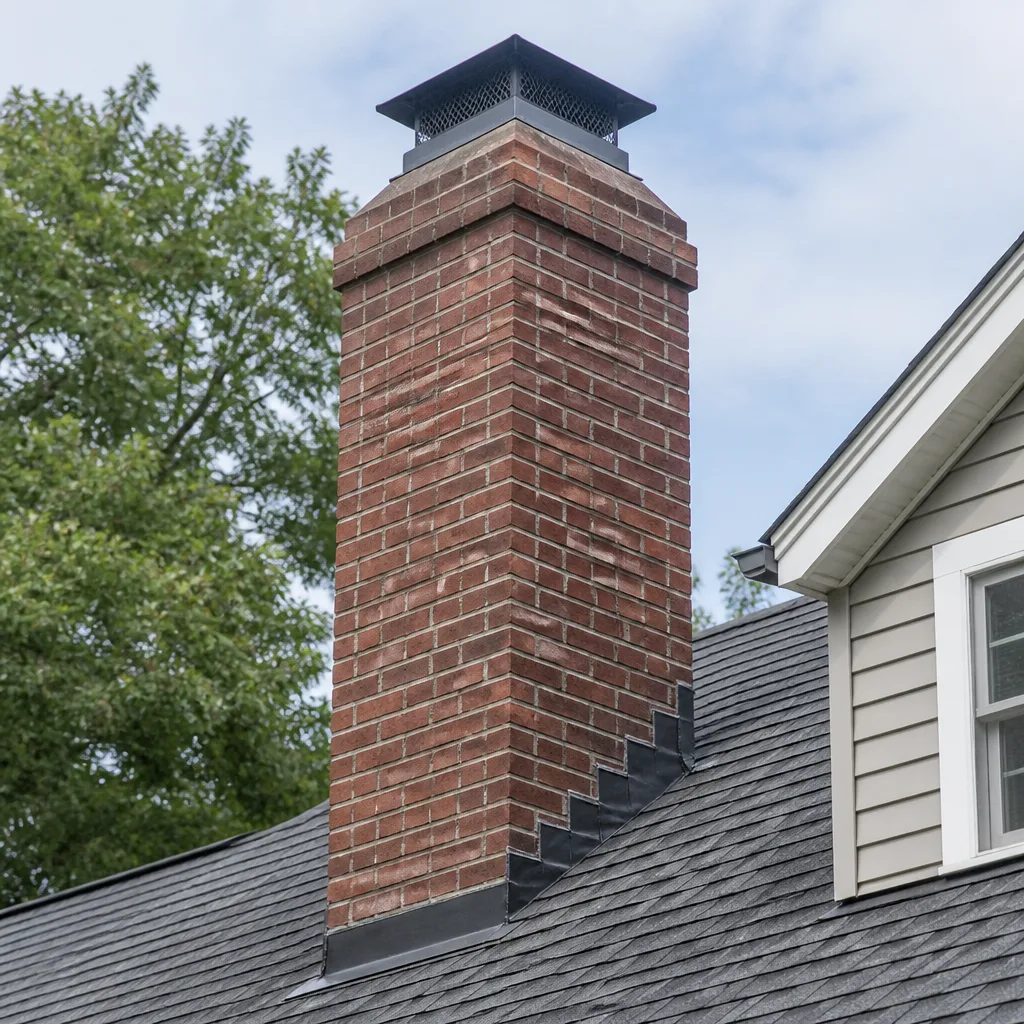 Masonry repair
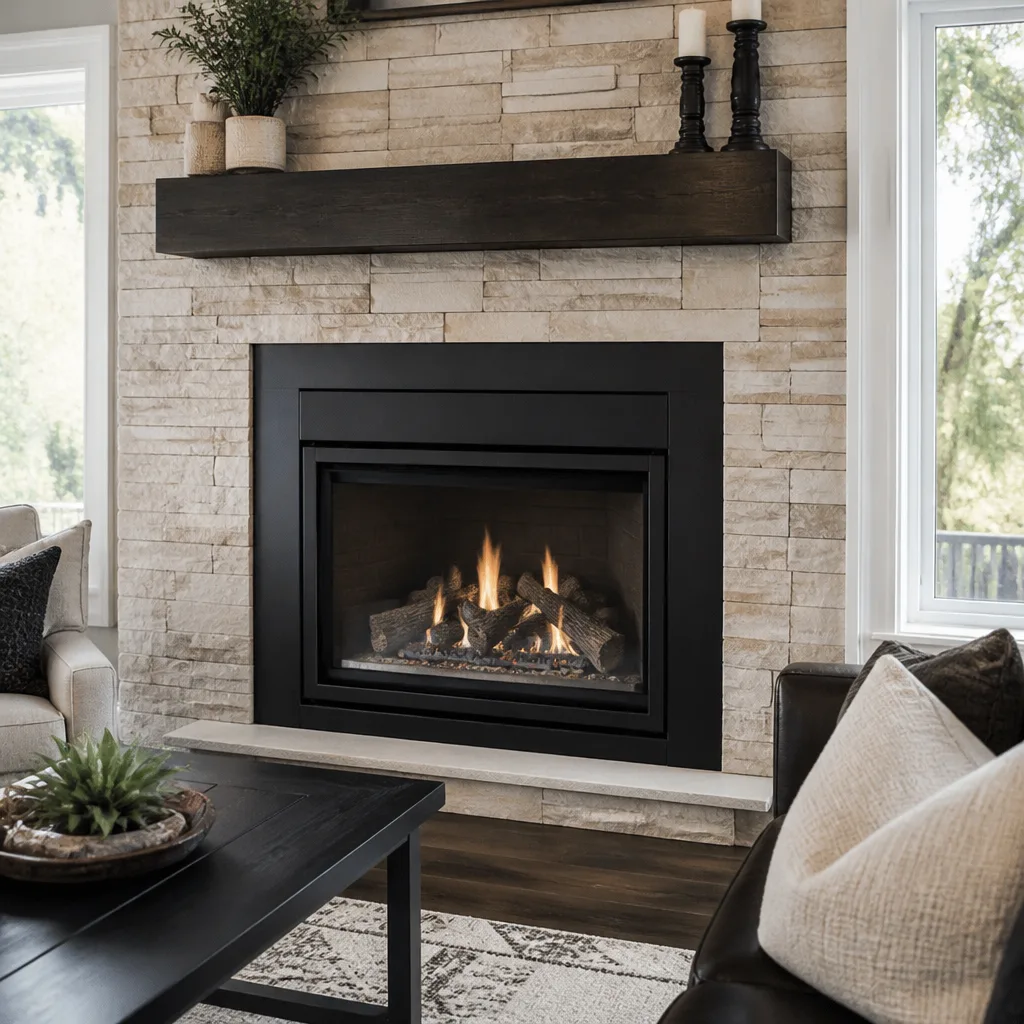 Gas fireplace service
Level 1 sweep and inspection to the NFPA 211 annual standard - flue, crown, cap, and flashing checked and photographed
Chimney sweep logs do not sweep chimneys. They loosen some creosote - which then falls where a brush and vacuum still have to collect it.
Chimney Sweep Maintenance Checklist for Aurora Homeowners
The chimney cap you forgot to check in September is the reason a family of starlings moves in by March, and by the time you light your first fire of next season, the nest debris has become a combustion hazard no brush can safely clear. Most chimney checklists hand you a vague list of things to “watch for” and call it done. This one is different. It assigns every task to a specific month, names who is responsible (you or a professional), and explains what actually happens in Aurora’s climate when you skip it. Think of it as a decision tool, not a brochure. By the end you’ll know what to do in April, what to do in October, and exactly when a small issue has quietly become a repair you can’t put off.
Quick Answer
A working chimney in Aurora needs three things on a schedule: an annual professional inspection, a professional sweep when creosote builds to roughly a quarter-inch (or at least once a year if you burn regularly), and a set of owner checks you do yourself each month of the burn season. The whole system runs best on a four-season rhythm: pre-season in late summer, peak-burn checks through winter, a post-season review in spring, and a summer dormancy check that catches animals and water intrusion before they cost you.
Styles & brands we work with
- Sweep & inspection
- Caps & crowns
- Flue relining
- Masonry repair
- Gas fireplace service
Table of Contents
- Why a Chimney Checklist Matters in Aurora’s Climate
- The Month-by-Month Chimney Maintenance Calendar
- Owner Tasks vs. Professional-Only Tasks
- How to Log Your Chimney Maintenance for Colorado Insurance
- When a Checklist Item Moves From “Monitor” to “Repair Now”
- Does a Gas Fireplace Chimney Need a Checklist?
- Pre-Season, Peak-Burn, Post-Season, and Summer Dormancy
- Common Mistakes to Avoid
Why a Chimney Checklist Matters in Aurora’s Climate
Aurora sits high on the plains east of Denver, and the climate here puts a chimney through more than most homeowners realize. Cold nights and warm afternoons trade places through much of the burn season, which means the flue cycles warm and cool repeatedly. That cycle drives creosote and moisture into the same places, and it’s part of why a chimney in Aurora can look fine from the driveway while the inside is quietly loading up with flammable deposits.
The bigger local variable is the wind. Aurora gets serious wind, and wind does two jobs on a chimney. It forces exhaust back down a flue that isn’t drafting cleanly, and it works on anything loose up top. A cap that was snug in September can be rattling by February or gone by spring. When the cap goes, the chimney is open to rain, snow, and whatever wants to nest in it.
Then comes the summer. Aurora summers are hot and dry, then abrupt with hail and heavy downpours. That’s the season a chimney is most ignored and most vulnerable, because water is the slow enemy. Moisture that gets past a cracked crown or a missing cap freezes and expands the following winter, widening the crack it settled into. The damage compounds silently across seasons until a small cap replacement turns into masonry work.
So a checklist here isn’t just about fire safety. It’s about catching the wind damage and the water damage on a schedule, before either one gets expensive. Our technicians have up to 8 years of experience reading exactly these patterns, and the ones that bite hardest are almost always the ones nobody looked at between October and May.
The Month-by-Month Chimney Maintenance Calendar
Here’s the rhythm we recommend for an Aurora home. You don’t have to follow it to the letter, but the sequence matters: you inspect before you burn, you monitor while you burn, and you close up and check the shell before the weather turns.
- Late August to early September (pre-season): Book your annual professional inspection and sweep. This is also when you check the cap, the crown, and the flashing yourself, and confirm the damper moves freely. Everything gets settled before the first cold snap.
- October (first fires): Do a small test burn and watch for smoke rollback, weak draft, or unusual odor. If a fire smokes into the room, stop and call. Draft problems at the start of the season are a signal, not a quirk.
- November through February (peak burn): Once a month, check the firebox for excessive creosote buildup, keep a glass door or screen in place, and confirm the cap is still seated after any high-wind event. This is your monthly owner walk-around.
- March (late-season): As burning tapers, look for soot streaks around the firebox, listen for any change in how the flue sounds in wind, and note anything odd for your spring inspection.
- April (post-season): Book a spring inspection if you burned heavily or noticed anything off. This is the best month to schedule repairs, before the summer rush and before the next heating season.
- May through July (summer dormancy): Check the cap and crown for animal nests and storm damage, walk the roofline for missing caps or loose flashing after any hail, and verify the chimney isn’t taking on water. This is when starlings and squirrels move in.
The reason the calendar is fixed rather than “once a year” is that different tasks fail at different times. A professional sweep in September does nothing about a March nest, and a nest removal in July does nothing about creosote from the winter. Each season catches a different failure mode.
Owner Tasks vs. Professional-Only Tasks
The most useful thing a checklist can do is draw a clear line between what you can safely check yourself and what genuinely needs a trained professional with the right tools and a camera. Crossing that line in either direction causes most of the trouble we see. Here’s the split.
What you can check yourself:
- That the damper opens, closes, and seats fully without sticking.
- Whether smoke rolls back into the room on a test burn, or drafts cleanly up.
- Any persistent odor in the room or at the chimney top, especially on warm days.
- That the chimney cap is present, seated, and free of visible nests or debris.
- Visible cracks or spalling on the crown and the brick at the roofline.
- Whether water staining appears on the ceiling or near the chimney breast.
What only a professional should assess:
- The condition of the flue liner, which you can’t see from the firebox and which determines whether the chimney is safe to use.
- Creosote depth inside the flue, including the glazed, hardened creosote a brush alone won’t safely remove.
- The smoke chamber and damper assembly above the firebox, a tight space where most do-it-yourself checks miss problems.
- Hidden cracks in the flue tile and any gaps that let heat or gases reach combustible framing.
- Overall structural and drafting performance, which takes a camera inspection to evaluate honestly.
That line isn’t a sales tactic. A flue liner or a smoke chamber can’t be inspected from below with a flashlight, and the things you can’t see are exactly the ones that cause chimney fires and carbon monoxide problems. This is why we inspect before we sweep: the inspection tells us what the sweep needs to address, and the camera shows you the same thing we see. When we send findings, a chimney repair recommendation always comes with the evidence behind it, not a hunch.
How to Log Your Chimney Maintenance for Colorado Insurance
If you own a home in Aurora and carry homeowner’s insurance, your policy and your insurer’s questions get easier to answer when you can show a maintenance history. Insurers and real-estate agents increasingly ask for documentation of chimney service, and a clean paper trail is the difference between “it was maintained” and “we think it was.” A maintenance log doesn’t need to be fancy. It needs to be consistent and dated.
Record these entries, one line each, as the work happens:
- The date of every sweep and inspection, and who performed it.
- What the professional found, in plain language, and what was done about it.
- The condition of the liner, cap, crown, and flashing at the time of inspection.
- Copies or photos of the condition report and any camera findings.
- Receipts and warranties for any parts installed, including caps and liners.
- Your own monthly owner checks, even just “checked cap, clear” with the date.
Insurers want documentation, not guesswork, so the format matters less than the record being complete and honest. This is part of why every inspection we perform produces a documented condition report you can hand to an insurer, a real-estate agent, or your local fire marshal without translation. If you’re buying or selling a home in Aurora, that report carries real weight in a negotiation. Keep it with your home records alongside the roof and HVAC history. When the next buyer or adjuster asks, you’ll have the answer ready.
When a Checklist Item Moves From “Monitor” to “Repair Now”
A checklist is only useful if the trigger points are unambiguous. “Watch for wear” is not a trigger. Here is how we’d draw the line: what stays on “monitor,” and what moves straight to “repair now.”
Monitor (note it, check again next season):
- Light surface rust on a cap or damper that still functions properly.
- A hairline crack in the crown that isn’t letting water in and isn’t growing.
- Minor soot staining that appeared during a windy burn and hasn’t spread.
- Occasional faint odor on a warm day when the chimney isn’t in use.
Repair now (stop using the chimney and call a professional):
- Any smoke rolling back into the room when you burn, especially if it’s new.
- Creosote that looks glazed or hardened rather than fluffy, or nests and debris inside the flue.
- A missing or badly damaged cap, which leaves the flue open to water and animals.
- White staining or crumbling on the exterior masonry, which points to water damage inside.
- Any sign of a cracked or damaged flue liner, or gaps in the smoke chamber.
- Water stains on the ceiling or near the chimney, or a chimney that smells after rain.
- Any carbon monoxide alarm activity with the chimney in use. Treat that as urgent and stop burning.
The principle is simple: cosmetic wear waits, safety waits for nothing. When creosote reaches roughly a quarter-inch, that’s a sweep. When it’s glazed, that’s a sweep plus a closer look, because glazed creosote burns hotter and is harder to remove. And when the liner itself is compromised, that’s not a monitoring item at all: it’s a repair that protects the structure of the house. Call (855) 368-2029 if you’re unsure which side of the line you’re on. Estimates are free.
Does a Gas Fireplace Chimney Need a Checklist?
Yes, and Aurora homeowners assume the opposite more often than you’d expect. A gas fireplace doesn’t produce the creosote a wood fire does, so the “sweep it yearly” line doesn’t apply the same way. But a gas system still has a flue, and that flue still has to vent exhaust safely out of the house. Skip gas chimney maintenance and the failure modes are quieter than a wood chimney’s, which is exactly what makes them easy to ignore.
What a gas chimney checklist covers:
- Venting and draft: a blocked or leaking flue can let exhaust back into the room instead of up the chimney.
- The cap and top: a cap that’s damaged or missing lets in water, nests, and debris that block the vent.
- Debris buildup: animal nests, leaves, and even insect nests collect in an unused flue, and gas flues are often unused for long stretches.
- Water intrusion: the crown and flashing on a gas chimney fail the same way a wood chimney’s do.
- Carbon monoxide: any gas appliance tied to the chimney is a CO source, and a compromised flue is how CO gets into the house.
So the schedule is the same four-season rhythm, with the emphasis on venting and the shell rather than creosote. If you have a carbon monoxide alarm, keep it working and treat any alarm as a stop signal. If your gas fireplace hasn’t been checked in a while, a professional inspection with a camera is the honest way to know whether the flue is venting cleanly. Olympia Chimney and Gelco venting and cap components are the kind of professional-grade parts we install when something needs replacing, so the fix isn’t a hardware-store guess.
Pre-Season, Peak-Burn, Post-Season, and Summer Dormancy
Here’s the calendar again, condensed into the four seasons that actually define chimney work in Aurora. Use this as your shorthand once you’ve read the fuller month-by-month plan.
Pre-season (late summer): book the annual inspection and sweep, check the cap and crown, test the damper, and do a small test burn. Separately, once a month you’ll want to look at the firebox for creosote buildup. This is the season where a checklist actually prevents problems rather than just documenting them. If you’re not sure what you’re responsible for, chimney sweep appointment and inspection should be your first move rather than a hardware-store experiment.
Peak burn (winter): monthly owner walk-arounds, keeping an eye on the cap after wind events, and watching for smoke rollback. This is also when most carbon monoxide risk lives, so check those alarms. If something’s off, call rather than burn through it.
Post-season (spring): this is the ideal window for repairs. The burn season is over, the weather is calmer, and any damage from a hard winter is fresh and visible. Book a spring inspection if you burned a lot or noticed anything unusual. Repairs done in spring have months to settle before the next fire.
Summer dormancy (late spring through summer): the season chimneys are abandoned. Check for animal nests, walk the roofline after hail, and confirm the cap and crown are keeping water out. A surprising share of the repair work we see in Aurora starts with a summer that nobody checked the chimney.
Wherever you are in the calendar, Morningstar Chimney Sweep handles the sweep, the inspection, and the repair as one company, on one call, with no handoffs to a second contractor. We use HeatShield flue resurfacing when a liner has deteriorated, a repair method applied only by trained technicians that can extend the life of a chimney without a full reliner. When a cap or liner has to be replaced, DuraFlex liners and Famco or Copperfield caps are the kind of professional materials we install. One schedule, one team, one documented record.
Common Mistakes to Avoid
- Sweeping on the “once a year” rule and calling it a schedule. A yearly sweep is a floor, not a plan. Aurora’s burn seasons and wind events can push creosote and debris faster than an anniversary date catches them, which is why the four-season rhythm beats a single annual appointment.
- Assuming a gas fireplace is maintenance-free. Gas flues still vent exhaust and still take on water, nests, and cap damage. Skipping the checklist because “there’s no creosote” ignores the venting and carbon monoxide risks that happen to be quieter.
- Ignoring the cap until spring. The cap is your chimney’s main defense against water and animals. A gap that lets a bird build a nest in March becomes a blocked or hazardously loaded flue by fall.
- Trying to inspect or clean the liner yourself. The flue liner and smoke chamber can’t be seen from below with a flashlight, and climbing on the roof in Aurora wind is its own hazard. Those are professional tasks for good reason.
- Treating a hairline crack and a crumbling liner the same. One is a monitor item, one is a repair-now item. Confusing the two is how a small, cheap fix becomes a structural problem.
- Not keeping records. Insurers and buyers ask for documentation. A maintenance log with dates and findings is worth keeping from your very first service.
- Waiting for “next season” on a real problem. Water damage in an Aurora chimney builds season over season. What a spring inspection finds is almost always cheaper to address than the same problem a year later.
See the difference
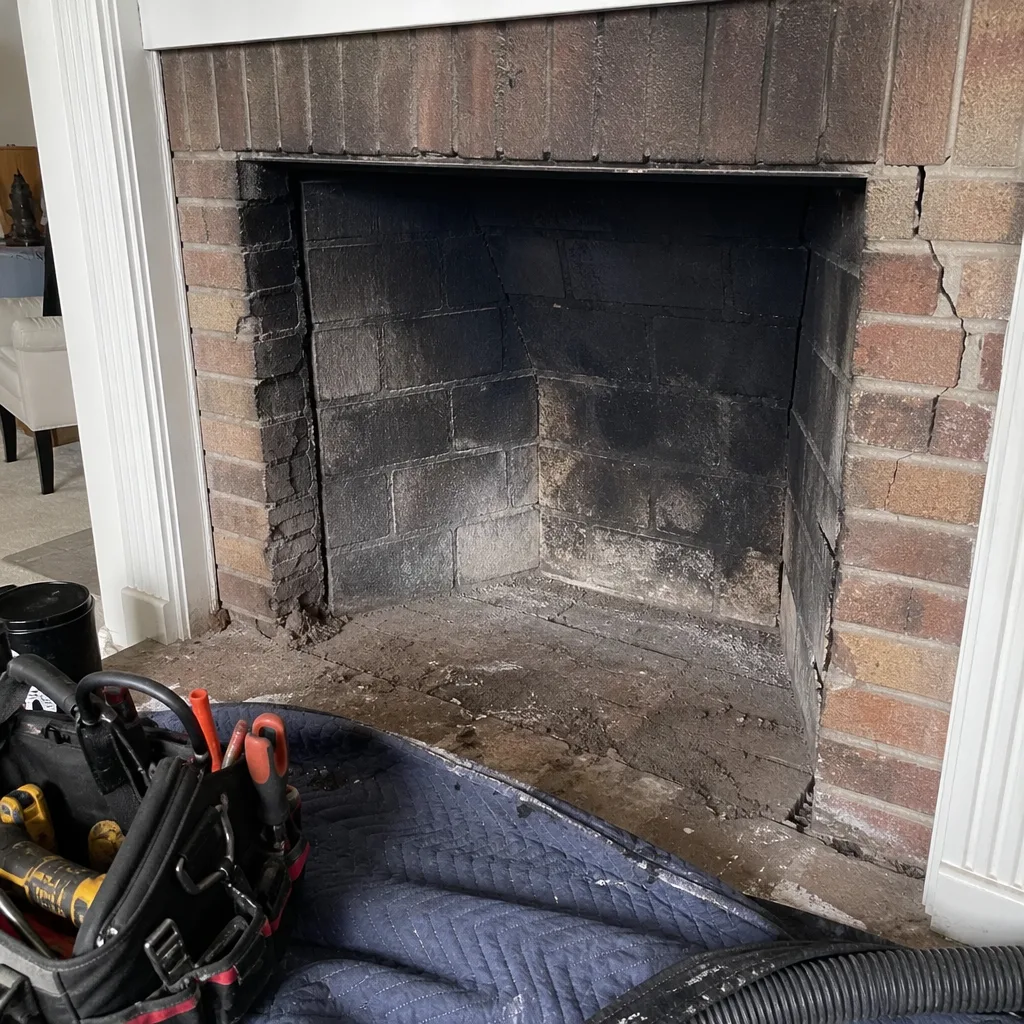 Before
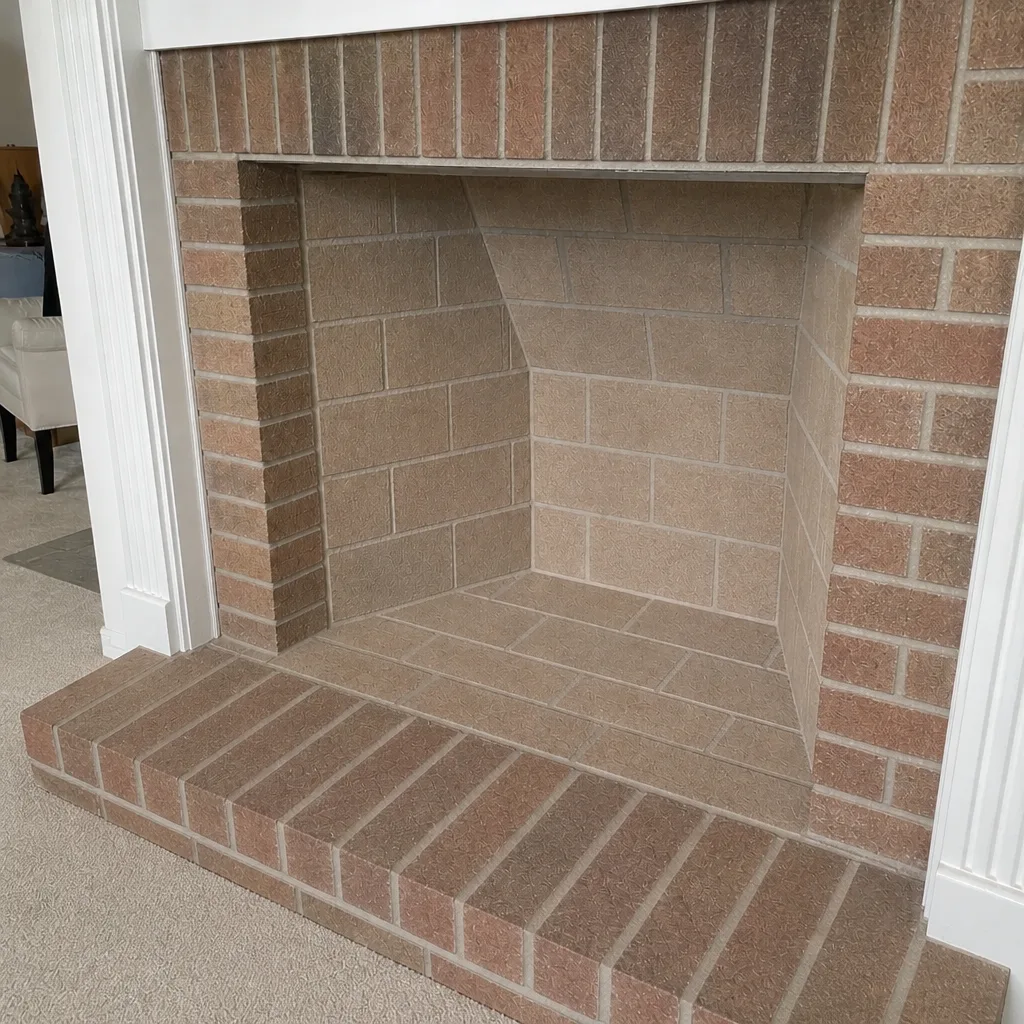 After
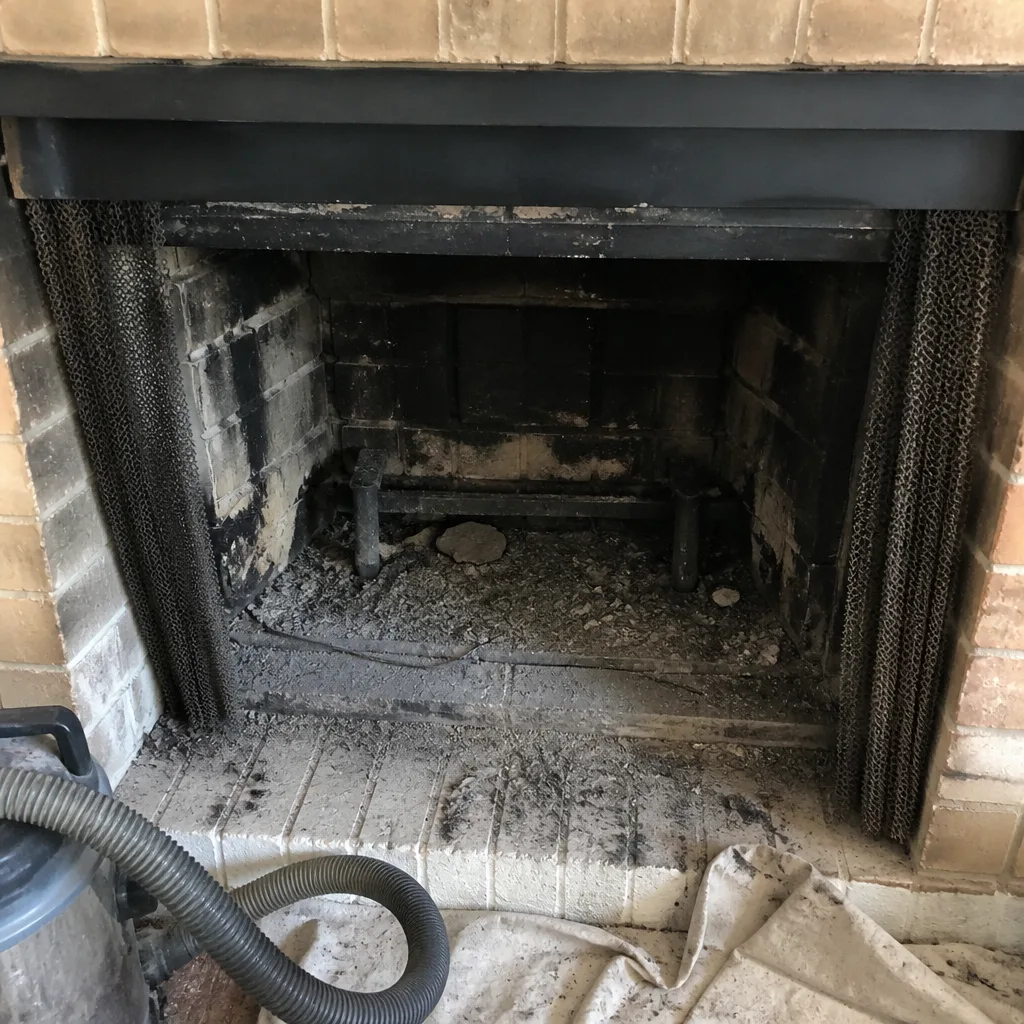 Before
 After
 Before
 After
When to Call a Professional
Call a professional when any safety-relevant item on the “repair now” list shows up: smoke rolling back into the room, glazed or heavy creosote, a missing or damaged cap, water staining, or any sign of liner damage. Call when a carbon monoxide alarm sounds with the chimney in use. Call before the first fire of the season if you haven’t had an inspection in over a year. And call if you’re buying or selling an Aurora home and need an inspection report you can stand behind. Morningstar Chimney Sweep offers free estimates in Aurora, and we’ll tell you plainly when work can wait and when it can’t. Call (855) 368-2029. We answer 24/7. Fast dispatch from 7am to 7pm, Sunday through Friday.
Frequently Asked Questions
Most Aurora chimneys should be swept at least once a year if you burn regularly, and sooner if creosote reaches roughly a quarter-inch or looks glazed. A professional inspection decides the exact interval based on what’s actually in your flue. Call (855) 368-2029 for an exact quote: estimates are free.
A sweep removes creosote, soot, and debris; an inspection evaluates the condition of the liner, smoke chamber, cap, and crown, usually with a camera. The inspection tells you whether the chimney is safe to use and what, if anything, needs repair. Call (855) 368-2029 to book both in one visit.
An annual inspection is the safest baseline because it catches liner and smoke chamber problems you can’t see from the firebox. If you burned heavily or had wind or hail damage, don’t wait for the anniversary date. Call (855) 368-2029 for a free estimate: estimates are free.
Because a gas flue still vents exhaust out of the house, and the flue, cap, and crown fail the same way a wood chimney’s do. Gas systems can let exhaust or carbon monoxide back into the room if the venting is compromised. Call (855) 368-2029 for an exact quote: estimates are free.
The most common outcomes are a blocked or capped flue, animal nests, water damage to the crown or masonry, and creosote that’s built to a dangerous depth. The longer you wait, the more likely a monitor item becomes a repair. Call (855) 368-2029 for a free estimate: estimates are free.
Insurers increasingly ask for documentation of chimney service, and a maintenance log with dates, findings, and receipts gives you a defensible record. Every inspection we perform produces a documented condition report you can present to your insurer, agent, or fire marshal. Call (855) 368-2029 to schedule one.
The Bottom Line
A chimney checklist works when it’s specific: a task, a month, a person responsible, a consequence. For Aurora, that means pre-season inspection in late summer, monthly owner checks through the burn season, spring repairs when damage is fresh, and summer vigilance against nests and water. You check the damper, the cap, the smoke, and the odor. A professional checks the liner, the smoke chamber, and the flue. Keep a dated log, and when a monitor item turns into a repair, act on it. With 8 years of technical experience behind our team, Morningstar Chimney Sweep handles the whole cycle in Aurora. Call (855) 368-2029 for a free estimate.
Written by the team at Morningstar Chimney Sweep.