
Last updated November 16, 2026
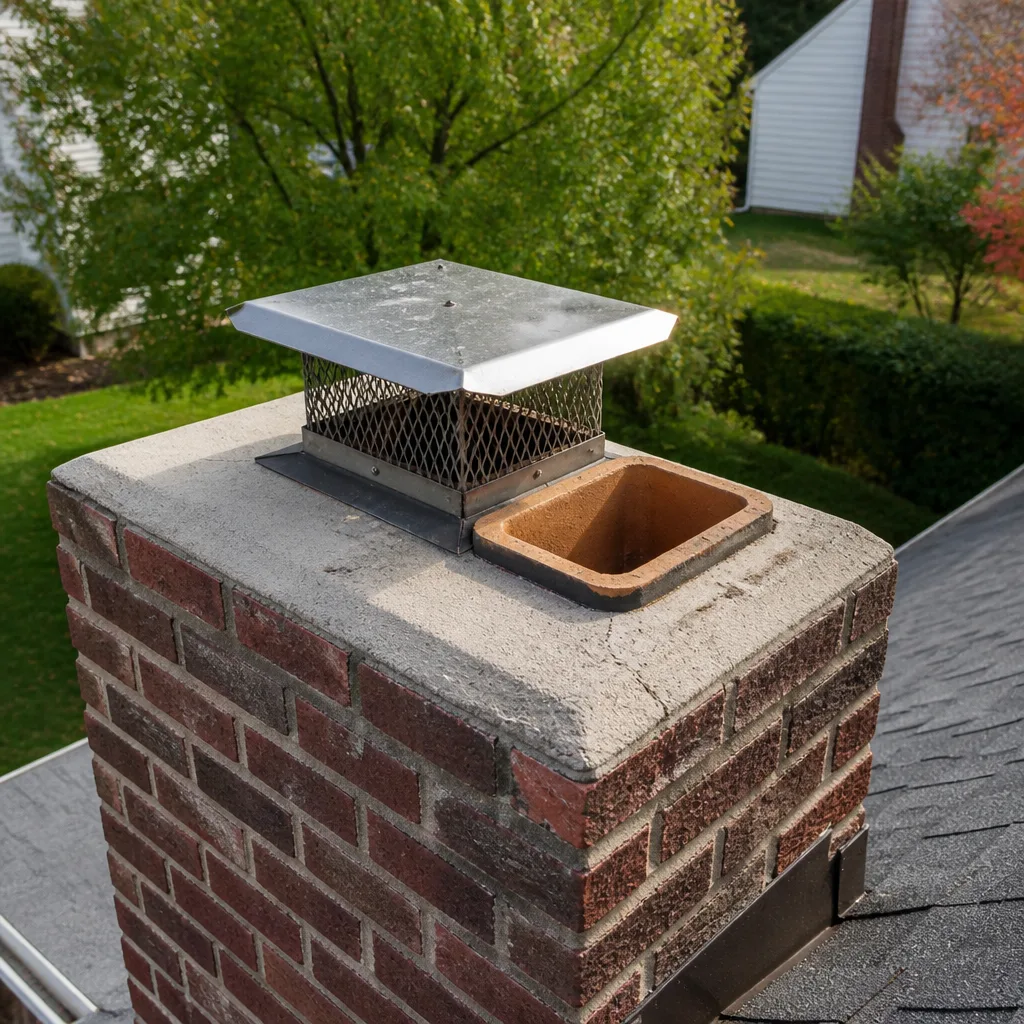 Sweep & inspection
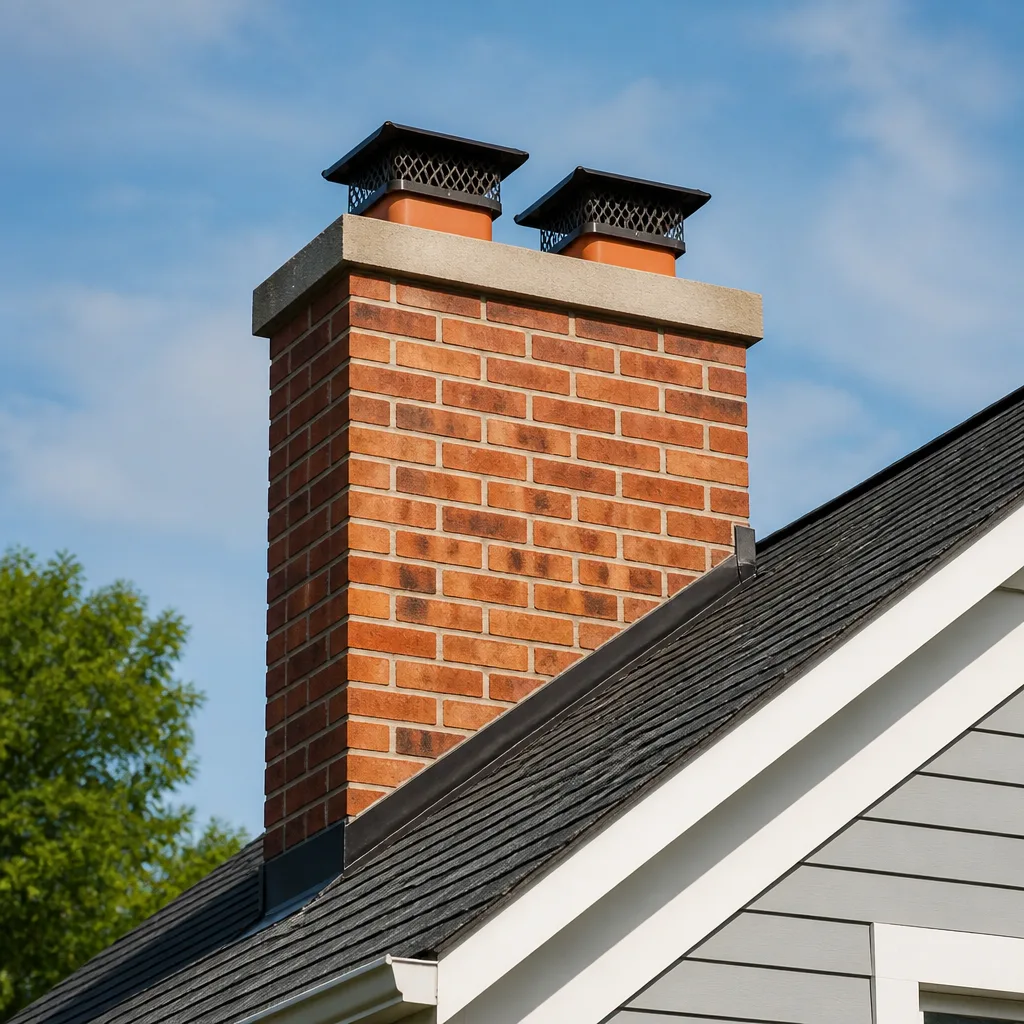 Caps & crowns
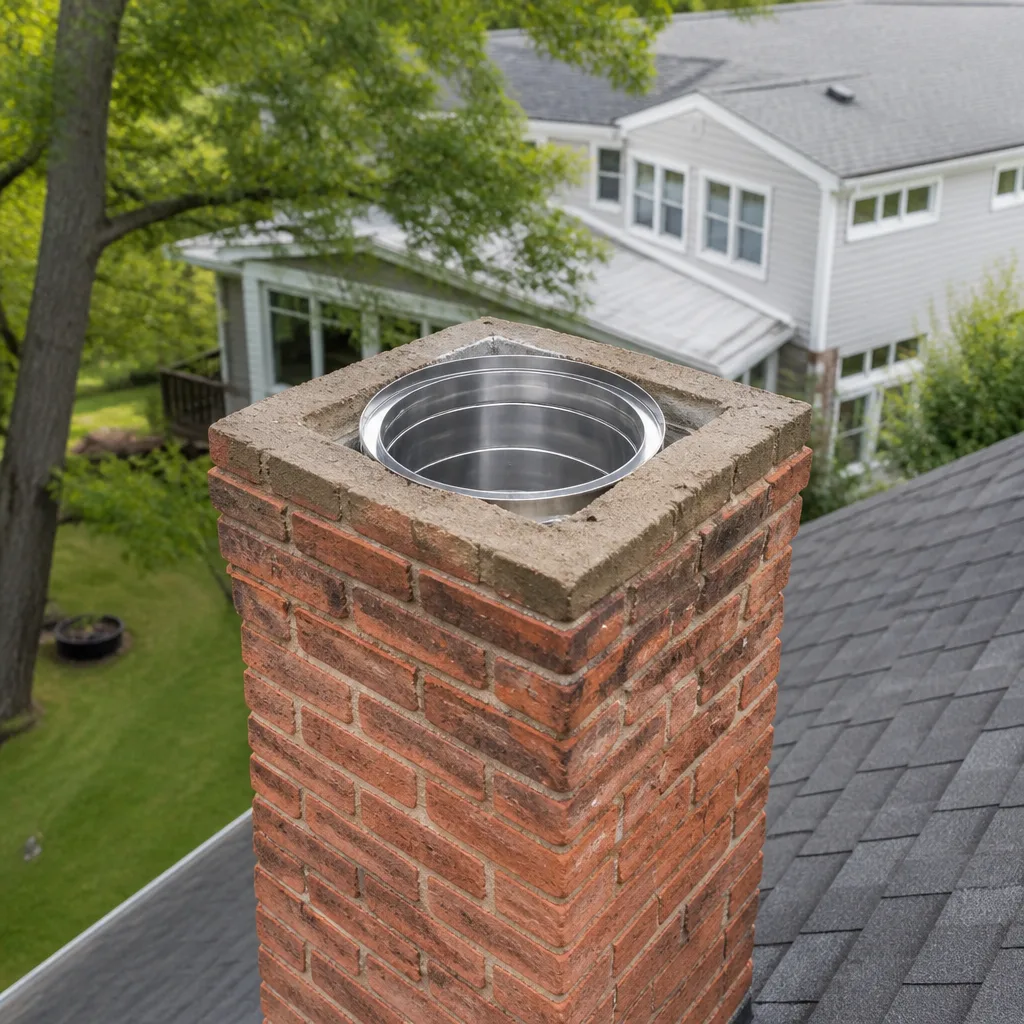 Flue relining
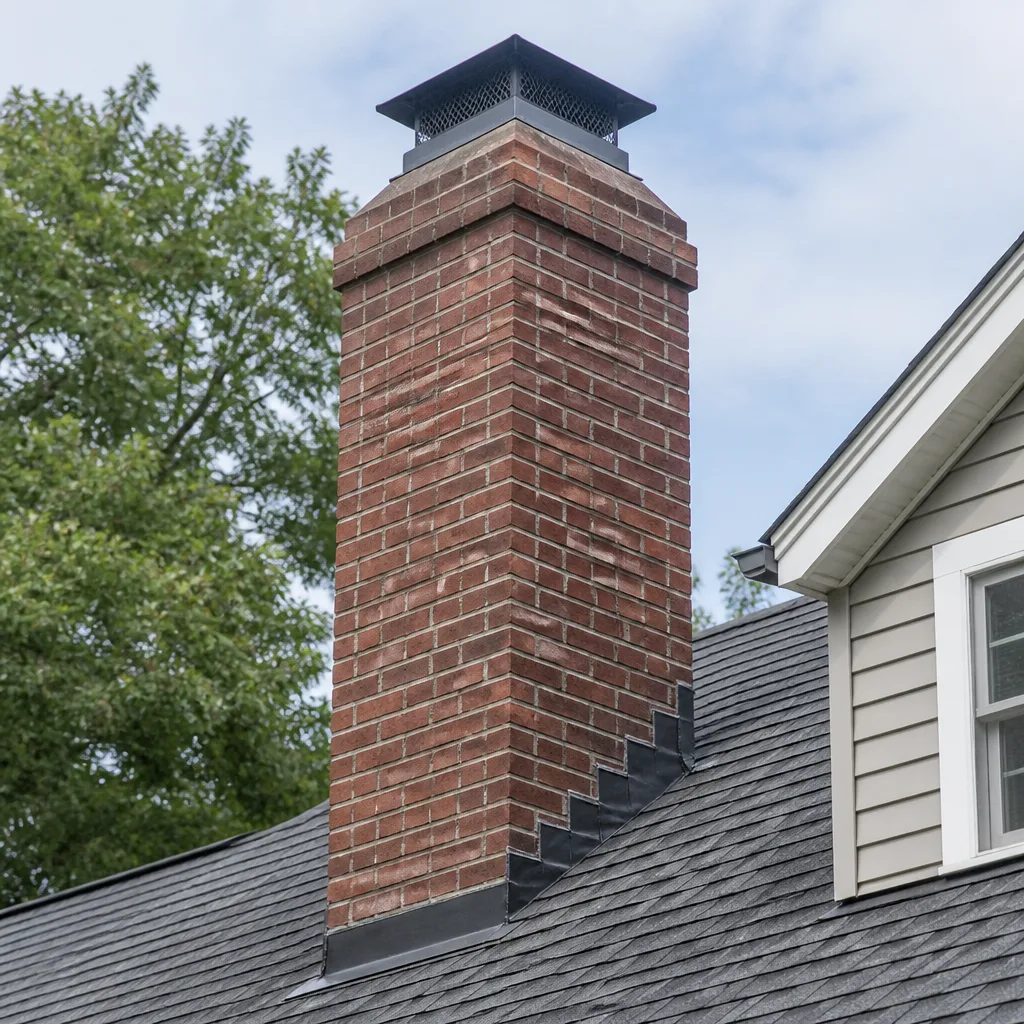 Masonry repair
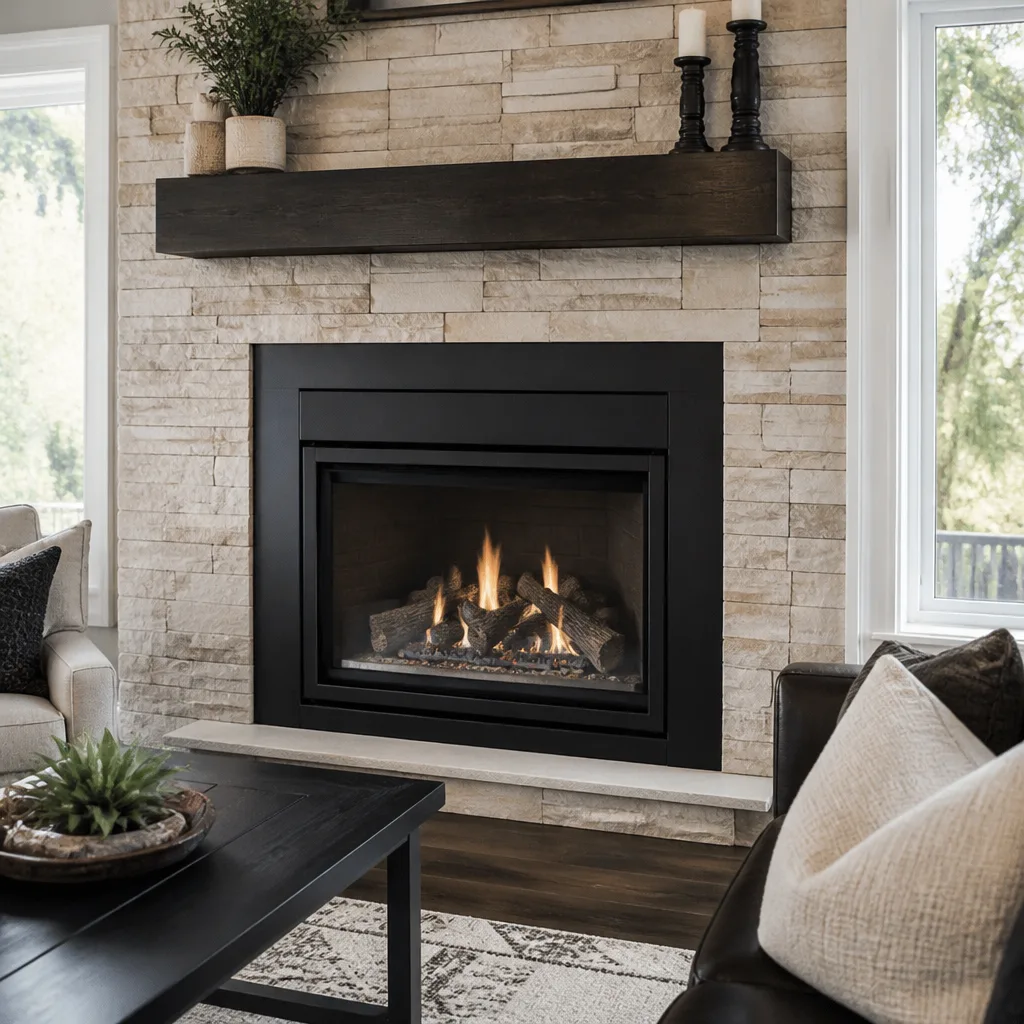 Gas fireplace service
Level 1 sweep and inspection to the NFPA 211 annual standard - flue, crown, cap, and flashing checked and photographed
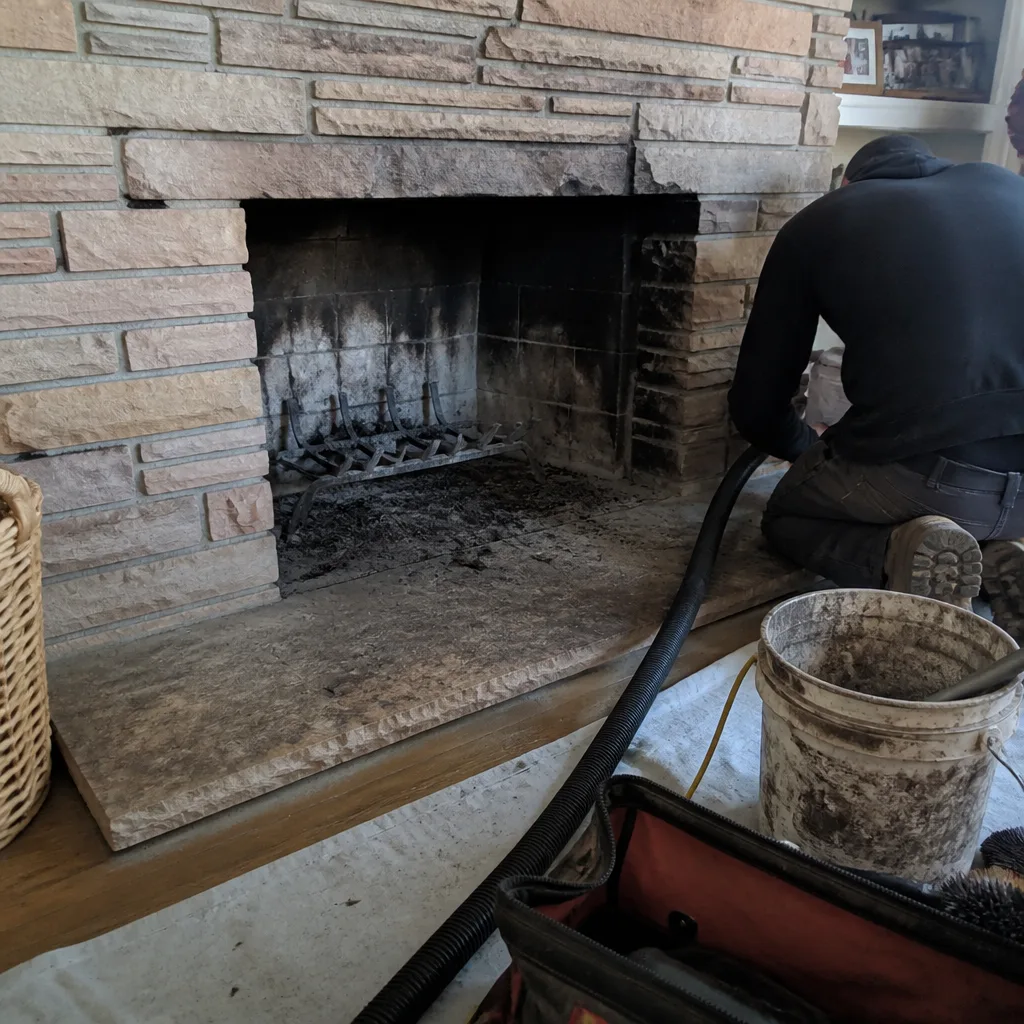
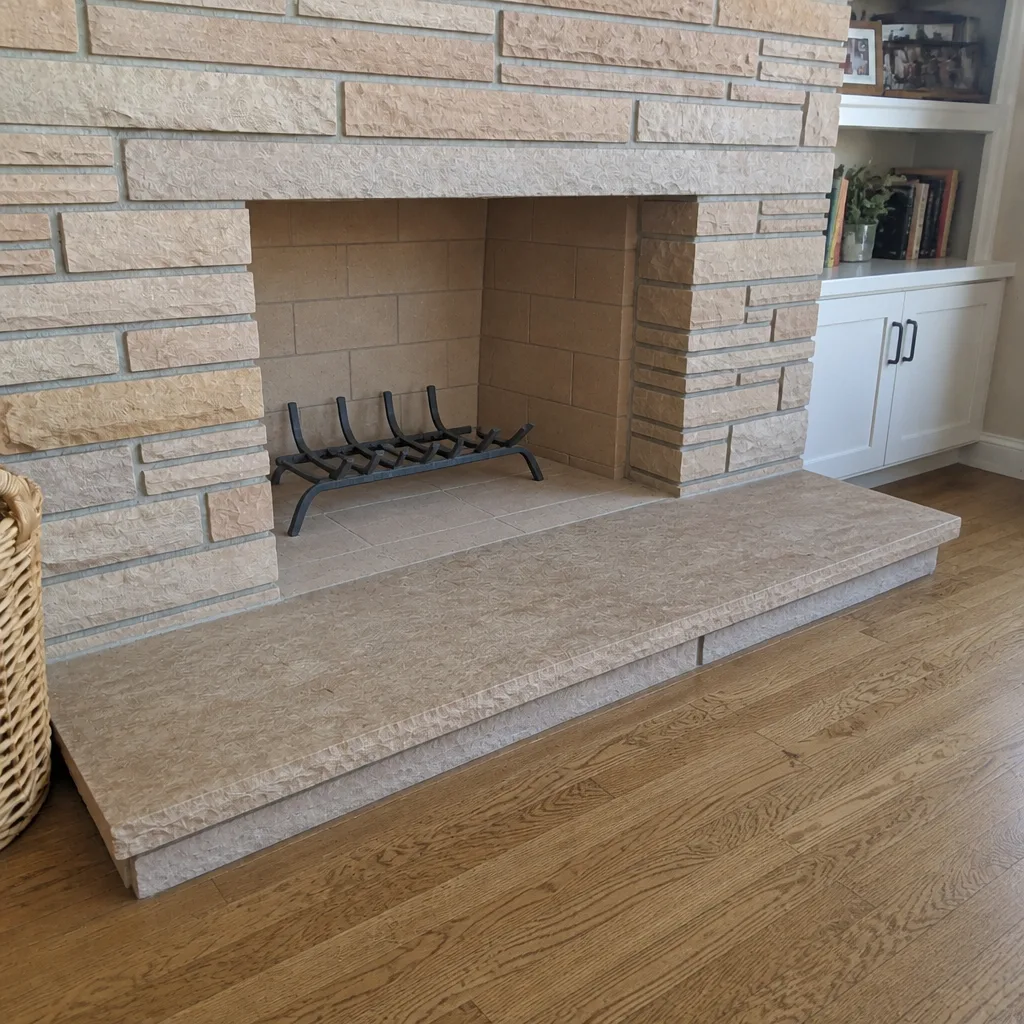
Chimney sweep logs do not sweep chimneys. They loosen some creosote - which then falls where a brush and vacuum still have to collect it.
The Complete Guide to Chimney Cleaning in Aurora
Most chimney cleaning advice you’ll read was written for a house at sea level. Aurora sits at 5,471 feet, and that changes the math. Wood burns less completely up here, which means your fireplace deposits creosote faster per cord burned than the national benchmarks most sweep schedules are built around. A “once a year is fine” rule of thumb borrowed from a lower-altitude guide can leave an Aurora flue quietly loading up with the sticky, flammable stuff that starts chimney fires. This guide treats Aurora’s elevation, its long burn season, and its mix of wood and gas heating as the starting point, not an afterthought. You’ll learn how creosote forms here, what a real cleaning actually removes, which inspection level you need, and how to tell a thorough sweep from a surface wipe. Call Morningstar Chimney Sweep at (855) 368-2029 with questions as you read.
Quick Answer
Chimney cleaning in Aurora means removing creosote, soot, and debris from the flue and firebox, then inspecting the chimney to confirm it’s safe to use. Because Aurora’s 5,471-foot elevation causes less complete combustion than lower-altitude homes, creosote builds faster and the standard guidance to sweep when residue reaches 1/8 inch matters more here than in most of the country. A professional cleaning includes mechanical brushing to that standard plus a documented inspection, not just a surface pass with a shop vac.
Styles & brands we work with
- Sweep & inspection
- Caps & crowns
- Flue relining
- Masonry repair
- Gas fireplace service
Table of Contents
- Why Aurora’s Elevation Changes How Your Chimney Ages
- Creosote Stages: What’s Actually Building Up in Your Flue
- The Aurora Burn Season and Your Inspection Window
- Level 1, Level 2, and Level 3 Inspections Explained
- Wood-Burning vs. Gas Chimneys: Different Cleaning, Different Risks
- What “Cleaned” Actually Means: The Residue Standard
- How Often Should You Clean Your Chimney in Aurora?
- What Does Chimney Cleaning Cost in Aurora?
- Common Mistakes to Avoid
- When to Call a Professional
- Frequently Asked Questions
Why Aurora’s Elevation Changes How Your Chimney Ages
At 5,471 feet, the air is thinner and holds less oxygen per cubic foot than it does at sea level. A wood fire needs oxygen to burn cleanly, and when there’s less of it available, combustion is less complete. Less complete combustion produces more of the byproducts you don’t want in a flue: unburned wood gas, tar vapor, and soot. Those are the raw ingredients of creosote, and they condense on cooler flue surfaces as smoke travels up and out.
The practical result is that an Aurora fireplace tends to deposit creosote faster than a comparable fireplace at lower elevation burning the same amount of wood. That’s the core reason a cleaning schedule copied from a national checklist can underserve a Front Range home. It’s also why we tell Aurora homeowners to check the flue by eye more often than the generic once-a-year advice suggests, and to sweep based on what’s actually accumulating rather than the calendar alone.
Two more local factors stack on top of elevation:
- Cold, long winters. The bigger the temperature difference between a hot flue and cold outside air, the more efficiently a chimney drafts, but the cool upper sections of the flue are also where smoke condenses. A long heating season means more hours of smoke moving through that flue.
- Front Range wind. Downdrafts and gusty wind can push smoke back into the firebox and slow the exhaust, giving creosote more time to settle on the liner walls.
None of this means your chimney is in trouble. It means the schedule has to match the conditions. If you’ve been sweeping on a sea-level timetable, this guide is the correction. Call (855) 368-2029 for a free estimate if you want a professional read on what your flue has been collecting.
Creosote Stages: What’s Actually Building Up in Your Flue
Creosote isn’t one substance. It forms in stages, and each stage behaves differently and requires a different response. Understanding the three stages tells you why a sweep isn’t just about tidiness.
Stage 1: Flaky Soot and Light Ash
This is the earliest and easiest form, a thin, dusty, flaky coating that brushes away cleanly. A standard sweep handles it without much fuss. It’s also the stage you want to catch your chimney in every time.
Stage 2: Crusty, Brittle Deposits
As more smoke condenses and bakes, Stage 1 turns into a harder, crusty layer. It’s still brittle enough that a stiff chimney brush can break it down, but it’s denser and more flammable than soot. Stage 2 build-up is where a proper mechanical sweep earns its keep, because a light pass won’t remove it fully. At Aurora’s elevation, homes reach Stage 2 faster than the national average.
Stage 3: Glazed, Tar-Like Creosote
The most dangerous stage is a hard, shiny, tar-like glaze fused to the liner. It resembles cracked black glass more than soot, and it can be extremely flammable. Ordinary brushing often won’t cut it. Stage 3 usually calls for a specialized rotary cleaning approach and, depending on the liner’s condition, may point toward resurfacing or relining rather than repeated scrubbing. We use professional-grade materials for this, including HeatShield resurfacing, which can restore a deteriorated flue liner without a full reliner in the right situations.
Here’s the part most guides skip: at higher elevation, the conditions that push creosote toward Stage 2 and Stage 3 – cooler flue surfaces, incomplete combustion, longer smoke dwell time – show up more often. That’s why checking your flue monthly during burn season is a reasonable habit in Aurora. You can often see the difference between flaky soot and a glassy crust with a flashlight and a mirror.
The Aurora Burn Season and Your Inspection Window
Aurora’s heating season runs long, roughly October through April, and that compresses the realistic windows for inspection and cleaning. Most homeowners don’t want to pull the fireplace offline in January. That leaves two natural slots: late fall, before the fire gets serious use, and early spring, after it’s done. The spring window is the one people skip, and it’s the one worth protecting.
Why Spring Is the Smart Cleaning Slot
Sweeping in spring removes a season’s worth of corrosive residue before it sits in the flue through the warm months. Creosote and soot hold moisture and acidic byproducts, and while a chimney isn’t damaged overnight, letting a loaded flue sit idle for months isn’t helping it. Spring cleaning also means any repairs found during inspection get done in good weather, with time to spare before the next burn season.
Why Fall Still Matters
If you didn’t sweep in spring, early fall is the essential checkpoint. You want to know the flue is clear before the first fire of the season, not after. Soot, a cracked tile, a bird’s nest, or a sagging damper found in October is a manageable repair. The same problem discovered mid-winter, after your first fire fills the house with smoke, is a mid-winter scramble.
When to Move Up the Schedule
Any of these should prompt a cleaning outside the usual window:
- You burned more than usual – a heavy-use winter or a stretch of deep cold burns through more wood and more flue capacity.
- You see or smell smoke in the house when the fire is going. That’s a draft or obstruction signal, not just a nuisance.
- You notice a black, glassy, or heavily crusted coating inside the firebox or up the flue.
- It’s been more than a year since the last inspection, period.
If you’re unsure where you stand, a documented inspection settles it. Book with Morningstar Chimney Sweep and we’ll tell you plainly whether your chimney needs cleaning now or can safely wait. Call (855) 368-2029 for a free estimate.
Level 1, Level 2, and Level 3 Inspections Explained
Not every inspection is the same depth of look, and the difference matters. The industry recognizes three levels, and knowing which one applies to your situation is half the battle. Here’s the plain-English version.
Level 1 Inspection
A basic visual check of the readily accessible parts of the chimney: the firebox, damper, and the visible interior of the flue from the firebox. No special tools or access points needed. A Level 1 is appropriate when nothing has changed and the chimney is in regular use with no known issues. It’s the routine yearly check.
Level 2 Inspection
A more thorough examination that includes the accessible attic and roof, and often a video camera scan of the flue interior. A Level 2 is called for after any change in the system or any event that could have affected it. In Aurora, a Level 2 is the inspection you want if you’re buying or selling a home, if you’ve had a chimney fire (known or suspected), after an earthquake or a significant storm, if you’ve switched fuel types or appliance, or if this is your first inspection of a chimney with unknown history. A camera scan lets a professional see what the eye can’t: cracked tiles, gaps in the liner, and Stage 3 creosote high up the flue.
Level 3 Inspection
The most involved level, used when a Level 2 finds a serious problem that requires access to concealed parts of the chimney – for example, a suspected liner failure or structural issue that can only be confirmed by opening up a wall or section of the chimney. Level 3 is diagnostic, usually tied to a specific identified problem, not a routine step.
Which Level Do Aurora Homeowners Need?
For most Aurora homes in regular winter use, the yearly maintenance inspection is a Level 1, and a Level 2 is your first step whenever the situation has changed or you’re dealing with a property transaction. Because Aurora’s burn season is long and heavy, if you’ve been burning steadily for a full season and haven’t had the flue scoped, a Level 2 with camera inspection is worth considering even without a specific problem. It’s cheap insurance against finding a cracked tile the hard way. Every inspection we do produces a documented condition report you can hand to an insurer, a real-estate agent, or your local fire marshal. We can walk through which level is right for your house – call (855) 368-2029.
Wood-Burning vs. Gas Chimneys: Different Cleaning, Different Risks
This is one of the most common local mistakes: treating a gas-insert chimney like a wood-burning chimney, or assuming that because the “fire” is gas there’s nothing to clean. They’re different systems that call for different care.
Wood-Burning Chimneys
Wood produces substantial soot, ash, and creosote. A wood flue needs regular mechanical sweeping to remove that accumulation, plus inspection for creosote stage, liner condition, and the health of the firebox and damper. Wood is the system the classic “clean when the creosote reaches 1/8 inch” guidance is built around, and in Aurora the elevation makes that accumulation happen sooner.
Gas Chimneys and Inserts
Gas burns cleaner for creosote purposes, but that doesn’t mean “nothing to do.” Gas appliances still produce their own byproducts and can produce a white, powdery residue, while the flue itself can collect dust, debris, and even animal nesting over an idle summer. Gas also brings its own critical safety concern: carbon monoxide. A gas flue that’s obstructed, improperly vented, or has a failing liner can let CO into the home. That’s a genuinely dangerous component, and it’s one of the reasons we treat gas and wood differently rather than sweeping every chimney the same. A gas system needs inspection of the vent and connection, not a wood-creosote sweep.
Why the Distinction Matters Locally
Aurora homes often have one of each – a wood fireplace in the living room, a gas insert or appliance elsewhere – or a former wood setup that’s been converted. A generalist who sweeps everything the same way can miss the gas vent issue or over-scrub a component that doesn’t have wood creosote to remove. The right questions are: what fuel, what venting, what condition, and what does this specific system need. When we arrive, we inspect before we sweep, and we tell you which system you have and what it actually requires.
What “Cleaned” Actually Means: The Residue Standard
“Cleaned” is not a vibe. The professional standard is specific: a chimney is considered clean for practical purposes when the residue left in the flue is down to a thin film – the widely cited benchmark is 1/8 inch of soot or creosote remaining on the flue walls. That isn’t zero, because a flue always has some discoloration, but it’s a defined, measurable target.
What separates a real cleaning from a surface pass:
- Mechanical brushing. Stiff brushes sized to the flue lift and remove creosote and soot from the walls – not a vacuum over the firebox telling you it’s “done.”
- Full-length flue coverage. The brush goes the length of the flue, including the sections you can’t see from the hearth.
- Stage-aware methods. Crusty and glazed deposits need heavier tools and, for glazed creosote, sometimes rotary equipment or resurfacing rather than a brush. A generic sweep leaves Stage 2 and Stage 3 in place.
- Debris removal. Nests, leaves, and ash aren’t cosmetic – they block draft and belong in the vacuum, not the flue.
- A documented look at condition. A real cleaning tells you what the flue looked like before and after, and what – if anything – needs repair. We use DuraFlex flexible liner systems when a reline is genuinely needed, and Gelco and Famco caps when protection is the right fix.
A surface-only sweep can leave a black flue that looks clean at the bottom and is still loaded with glazed creosote twenty feet up. That’s the blind spot a thorough inspection with a camera closes. “Cleaned” should mean the standard was met and you have the record to prove it.
How Often Should You Clean Your Chimney in Aurora?
The national rule of thumb is once a year for regular use, or more often when creosote builds to 1/8 inch. For Aurora, because of the elevation and the long, heavy burn season, treat that as a floor, not the whole answer.
A Practical Aurora Schedule
- Check by eye during burn season. Monthly during October through April, shine a light in the flue and look for flaky soot versus glassy crust. Anything glassy or heavy means call sooner.
- Sweep every year at minimum. Even with moderate use, the annual cleaning-plus-inspection protects the flue and confirms it’s sound.
- Sweep more often with heavy use. If you burn many cords or run the fireplace most winter evenings, creosote deposits faster at this elevation, and a mid-season inspection is worth it.
- Always inspect after any suspected event. A chimney fire, even one you didn’t fully notice, is a Level 2 trigger.
If your home is new to you, or you have no record of the last sweep, start with a Level 2 inspection with camera and go from there. Call (855) 368-2029 and we’ll help you set the right interval for your house.
What Does Chimney Cleaning Cost in Aurora?
Chimney work in Aurora is priced per job, and the written estimate is what sets your final number – but here’s a plain-language walk through what drives the range so you can plan. We quote free, and we don’t build in hidden fees.
| Job Type | What Drives the Price |
|---|---|
| Standard chimney sweep | Flue length and access, level of creosote (Stage 1 vs. Stage 2), single vs. multiple flues. |
| Inspection (Level 1 or Level 2) | Whether camera scanning and roof/attic access are included; a Level 2 with video runs more than a Level 1 visual check. |
| Glazed creosote / heavy cleaning | Stage 3 removal takes specialty tools and more labor; sometimes resurfacing is the smarter path than repeated cleaning. |
| Repairs found on inspection | Caps, liners, resurfacing. This is separate from the cleaning and only recommended when the inspection shows it’s needed. |
We won’t tell you what your specific job costs sight unseen, and we won’t pad a job that doesn’t need repair. We inspect before we sweep, and the estimate is written before any work starts. Your chimney works hard in an Aurora winter – the point of pricing it honestly is so you can be confident about what you’re paying for. For an exact quote on your chimney, call (855) 368-2029 – the estimate is free.
Common Mistakes to Avoid
- Following a sea-level sweep schedule. Aurora’s 5,471-foot elevation produces creosote faster than lower-altitude benchmarks assume. Sweep based on what’s in your flue, not just the calendar you read online.
- Treating a surface sweep as a cleaning. A vacuumed firebox and a brushed bottom doesn’t meet the 1/8-inch residue standard up the full length of the flue. Ask what was actually removed and how it was checked.
- Sweeping a gas insert like a wood fireplace. Gas systems need vent and connection inspection for carbon monoxide safety, not a wood-creosote scrub. Treating them the same is a common local error.
- Skipping the spring cleaning. Letting a full season’s creosote and soot sit in the flue through the warm months just gives it more time to affect the liner. Move it out in spring.
- Cleaning without inspecting. A sweep removes what’s there; an inspection tells you whether the liner, cap, and structure are sound. Doing only half the job leaves you guessing.
- Ignoring a suspected chimney fire. Even a small chimney fire can crack tiles or warp a liner. After any suspected event, you need a Level 2 inspection before burning again.
- Trusting generic hardware-store components. Flue repair calls for professional-grade materials from brands like DuraFlex, HeatShield, Gelco, and Copperfield – not a patch kit sized to whatever was on the shelf.
When to Call a Professional
Some jobs are for a flashlight and some are for a professional, and the line is worth knowing. Call us if you’ve burned through a full winter without a sweep, if you see glassy or black crusted creosote in the flue, if you smell smoke or feel draft problems in the house with a fire going, or if you’re buying, selling, or insuring a home and need an inspection report you can stand behind. Call immediately if you suspect a chimney fire, if a gas appliance shows any ventilation concern, or if you see cracked or missing liner tiles.
And be honest with yourself about the dangerous parts: glazed creosote, a compromised liner, and anything involving gas venting are not safe to handle with a borrowed brush and a ladder. A trained professional should assess the flue before you burn again. Morningstar Chimney Sweep offers free estimates in Aurora – call (855) 368-2029. We answer 24/7. Fast dispatch from 7am to 7pm, Sunday through Friday.
Frequently Asked Questions
It’s priced per job, and the written estimate sets the final number. The biggest factors are flue length and access, how much creosote is present, and whether inspection is bundled in. We quote free and inspect before we sweep, so you know what you’re paying for. Call (855) 368-2029 for an exact quote – estimates are free.
At minimum once a year, and more often with heavy use – Aurora’s 5,471-foot elevation means creosote builds faster than at sea level. Check the flue by eye monthly during the October-to-April burn season. If residue approaches 1/8 inch, it’s time. Call (855) 368-2029 and we’ll help you set the interval.
Creosote accumulates, and at Stage 2 and Stage 3 it becomes a genuine fire hazard, while a blocked or damaged flue can let smoke and carbon monoxide into the home. Skipping also means you won’t catch a cracked liner until it’s a bigger repair. Call (855) 368-2029 to get ahead of it.
Not always, but you do if you’re buying or selling a home, after any suspected chimney fire, if you’ve changed fuel type, or if you have no record of the chimney’s history. For a long, heavy Aurora burn season with no recent scope, it’s worth it. Call (855) 368-2029 to talk through which level fits.
Yes, but differently. A gas system is inspected for vent and carbon monoxide safety rather than swept for wood creosote, and treating a gas insert like a wood fireplace is a common mistake. We inspect before we sweep and tell you which system you have. Call (855) 368-2029 for a free estimate.
Often, yes. We sweep, inspect, and handle repairs under one roof, so a cap or resurfacing isn’t a separate handoff to another contractor. Nothing is recommended without the inspection evidence to back it up. Call (855) 368-2029 to book it.
The Bottom Line
Chimney cleaning in Aurora isn’t a generic errand. The elevation means less complete combustion, and less complete combustion means creosote builds faster than the national benchmarks assume. The long October-to-April burn season compresses your window for inspection, which makes spring or early fall the smart slots. Wood and gas systems need different care, and a real cleaning is defined by the 1/8-inch residue standard across the full flue, not a swept firebox and a shop vac. Match your schedule to your conditions, inspect as you clean, and know your inspection level before a busy season. If you’d rather have a specialist confirm it, Morningstar Chimney Sweep handles the sweep, the inspection, and the repair together – professional-grade materials, documented findings, and clarity from the first call to the final invoice.
Ready to see where your chimney actually stands? Call (855) 368-2029 for a free estimate. We answer 24/7. Fast dispatch from 7am to 7pm, Sunday through Friday. You can also explore our chimney repair and chimney sweep services, or learn more about Aurora.
Written by the team at Morningstar Chimney Sweep.
See the difference
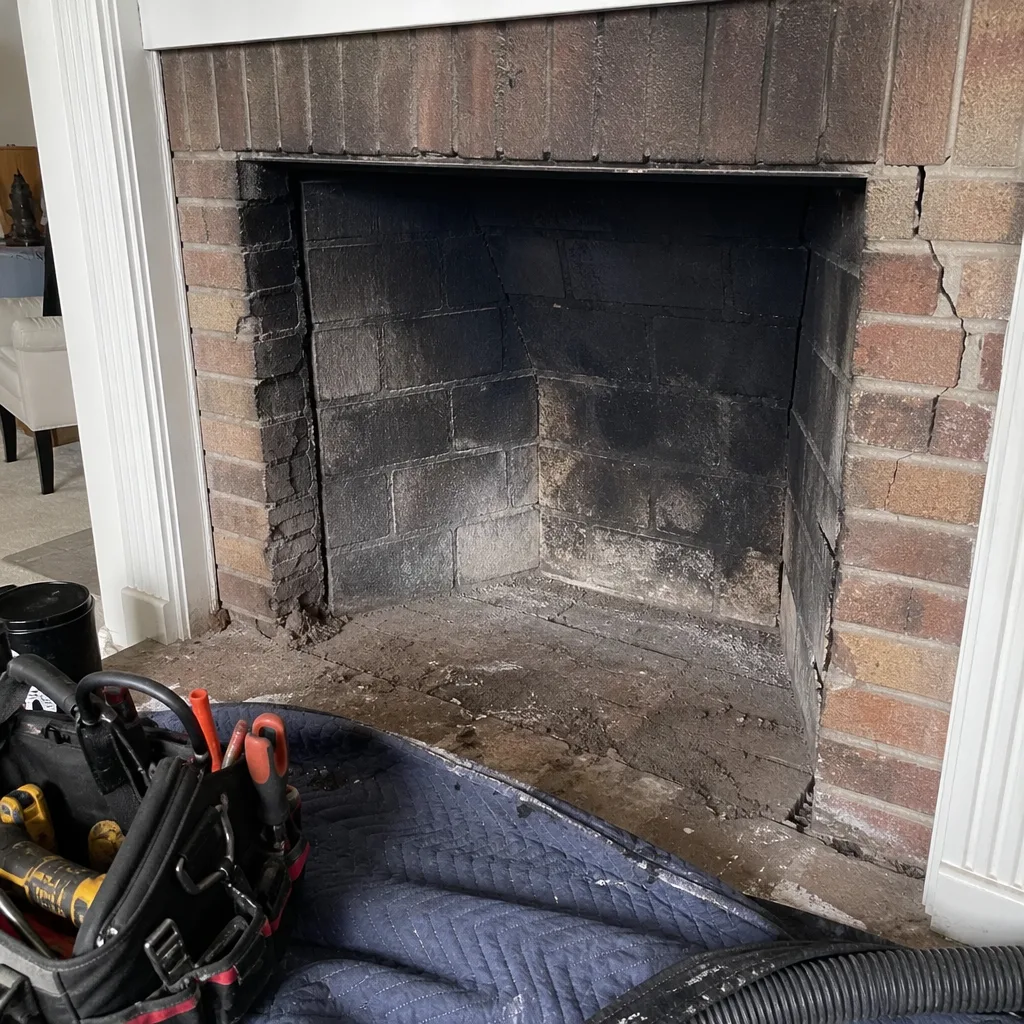 Before
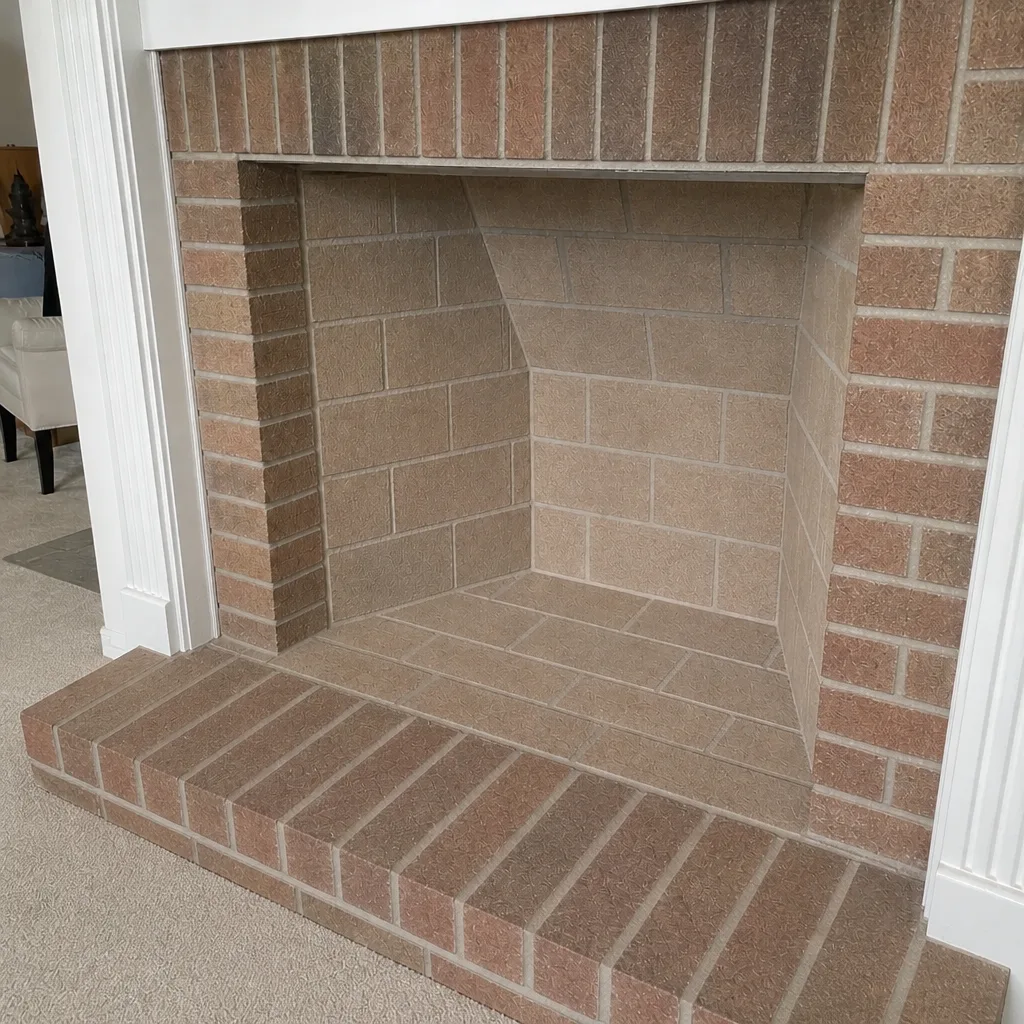 After
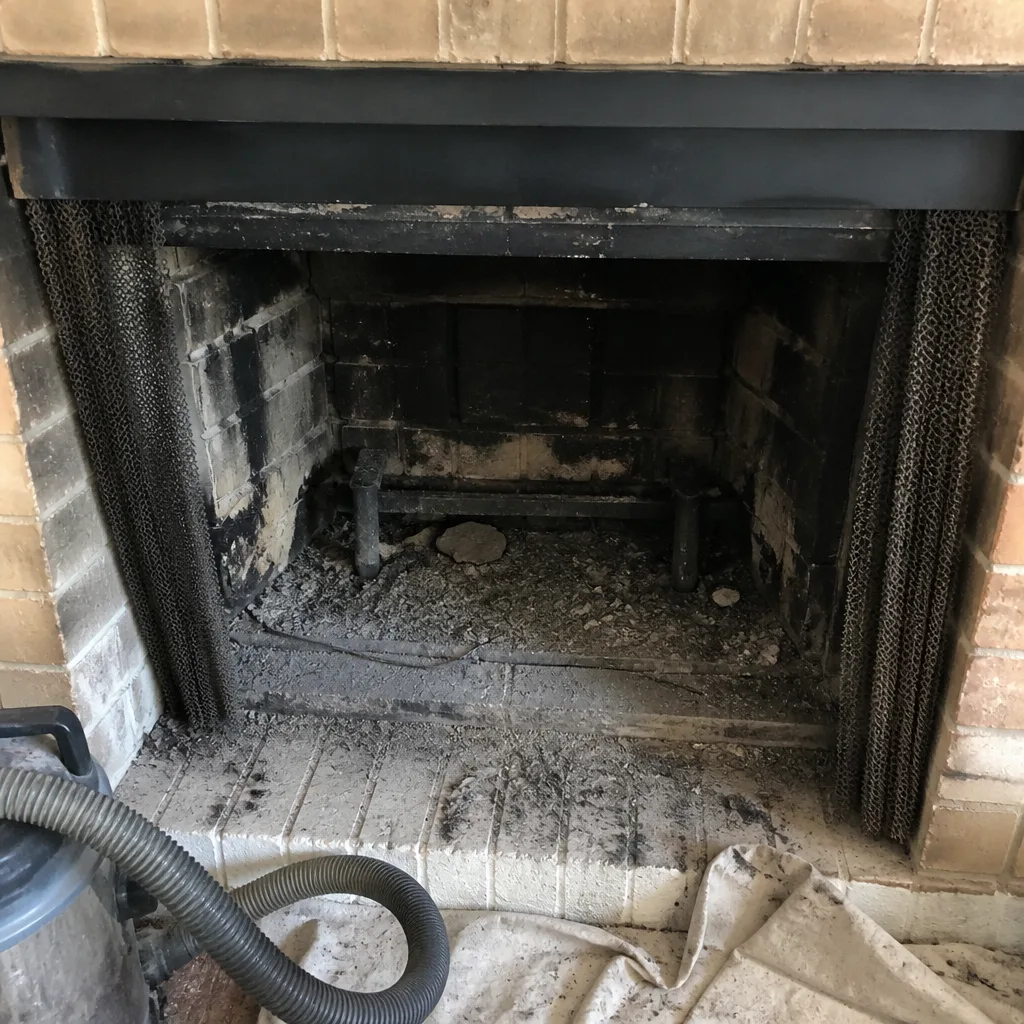 Before
 After
 Before
 After