
Last updated November 16, 2026
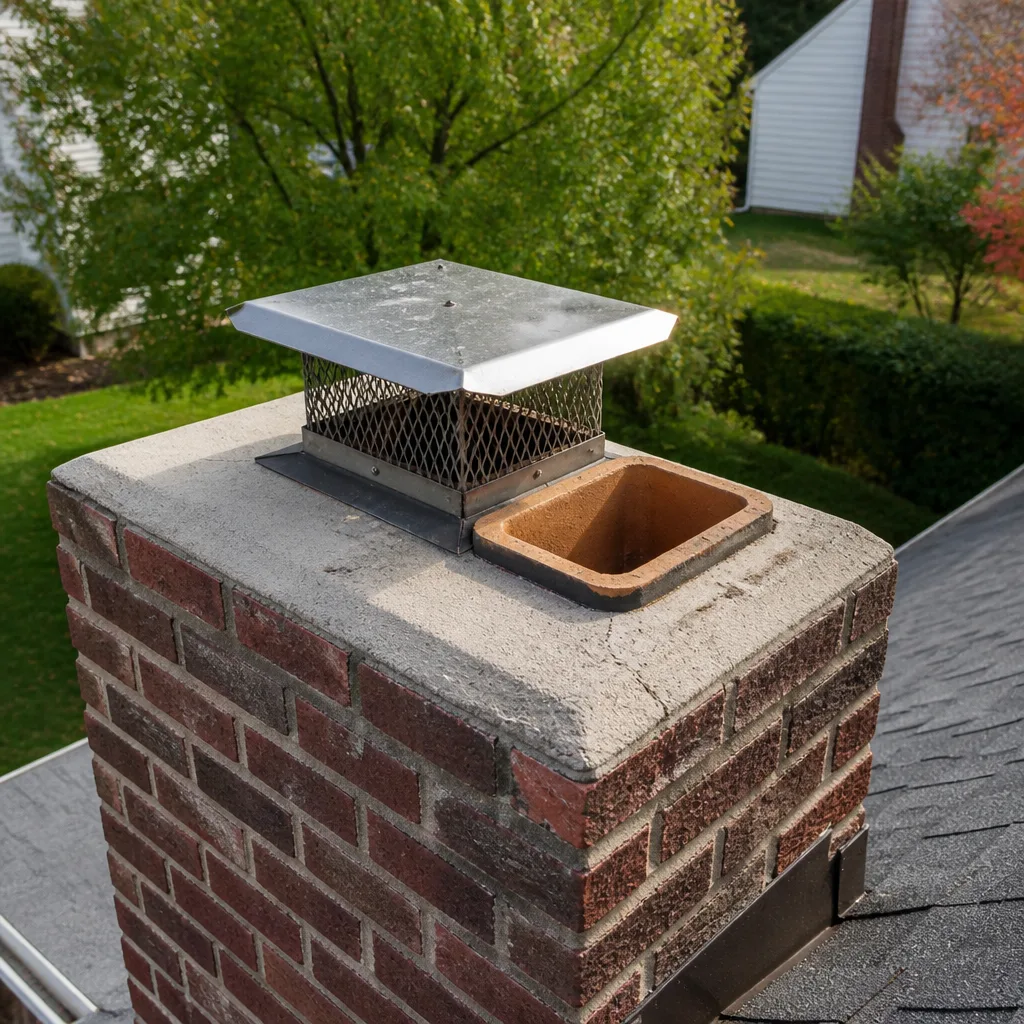 Sweep & inspection
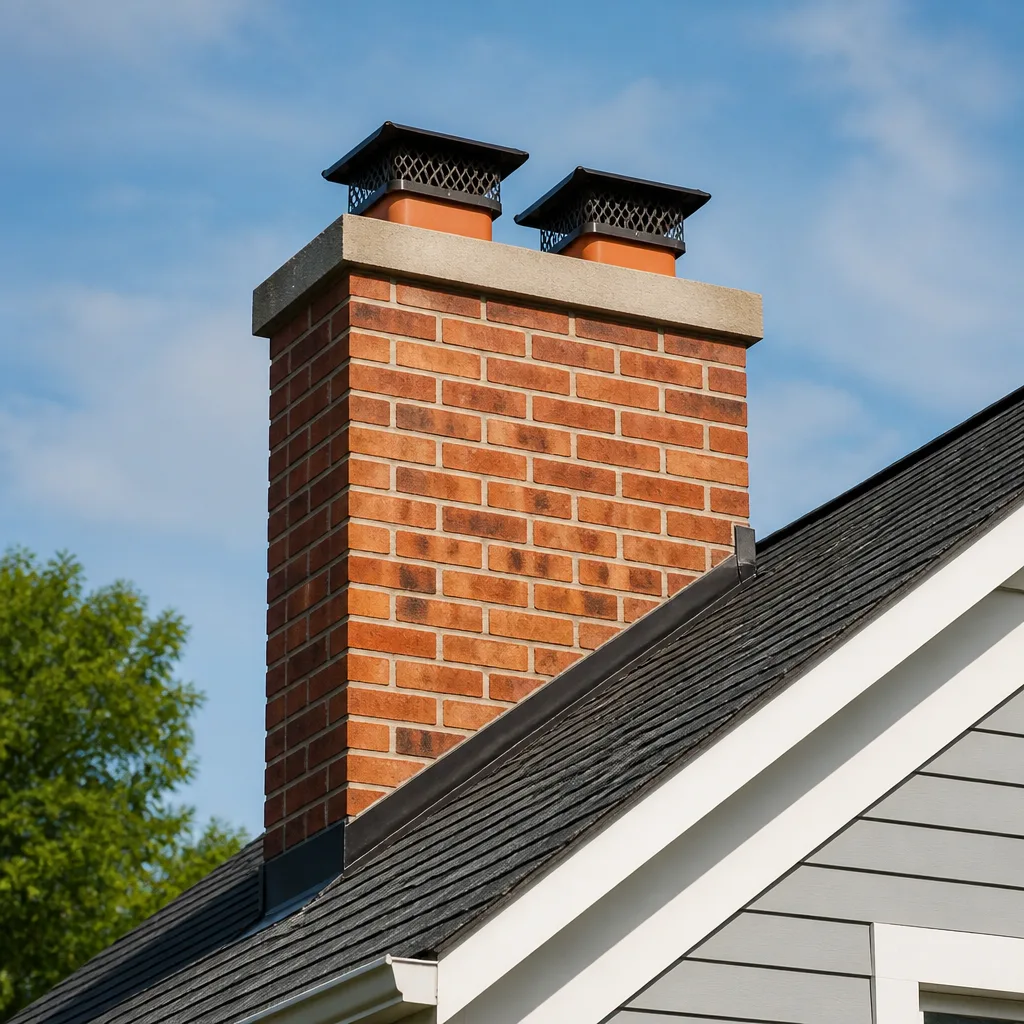 Caps & crowns
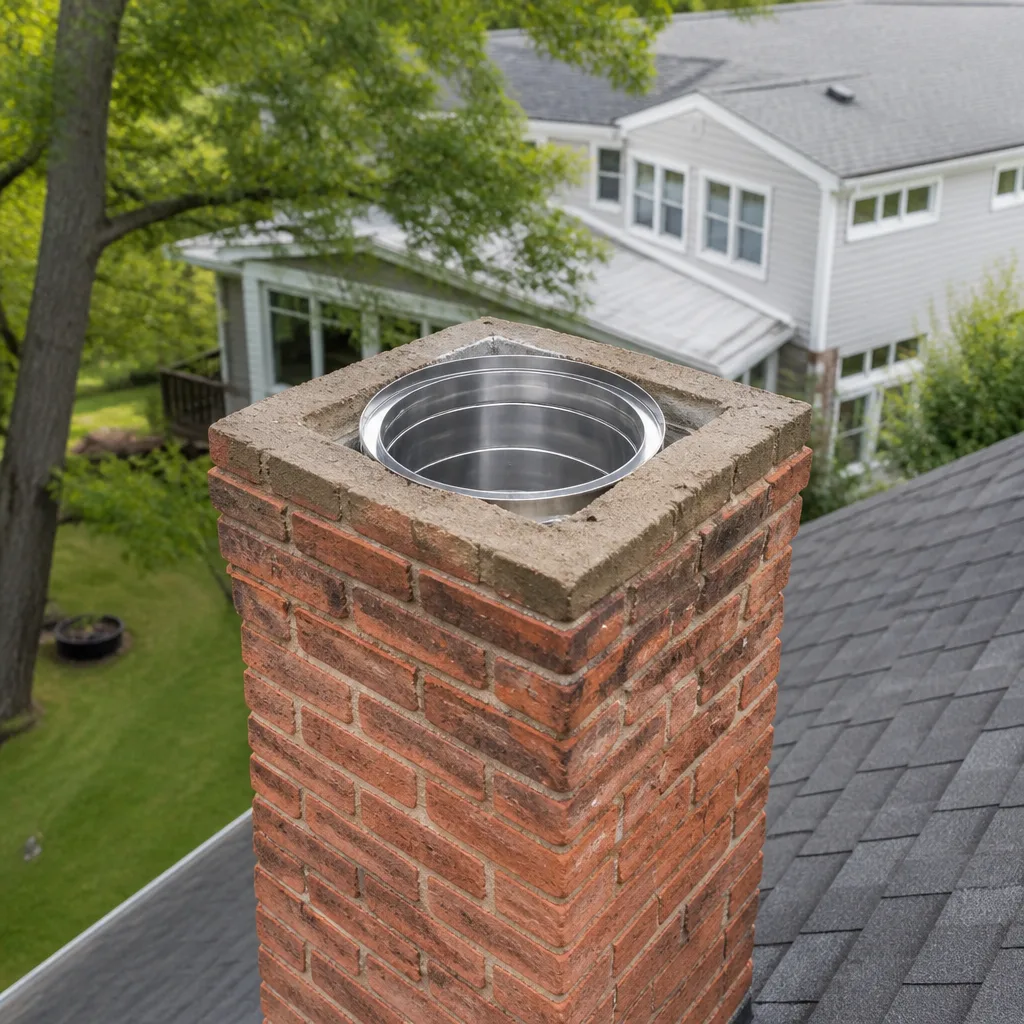 Flue relining
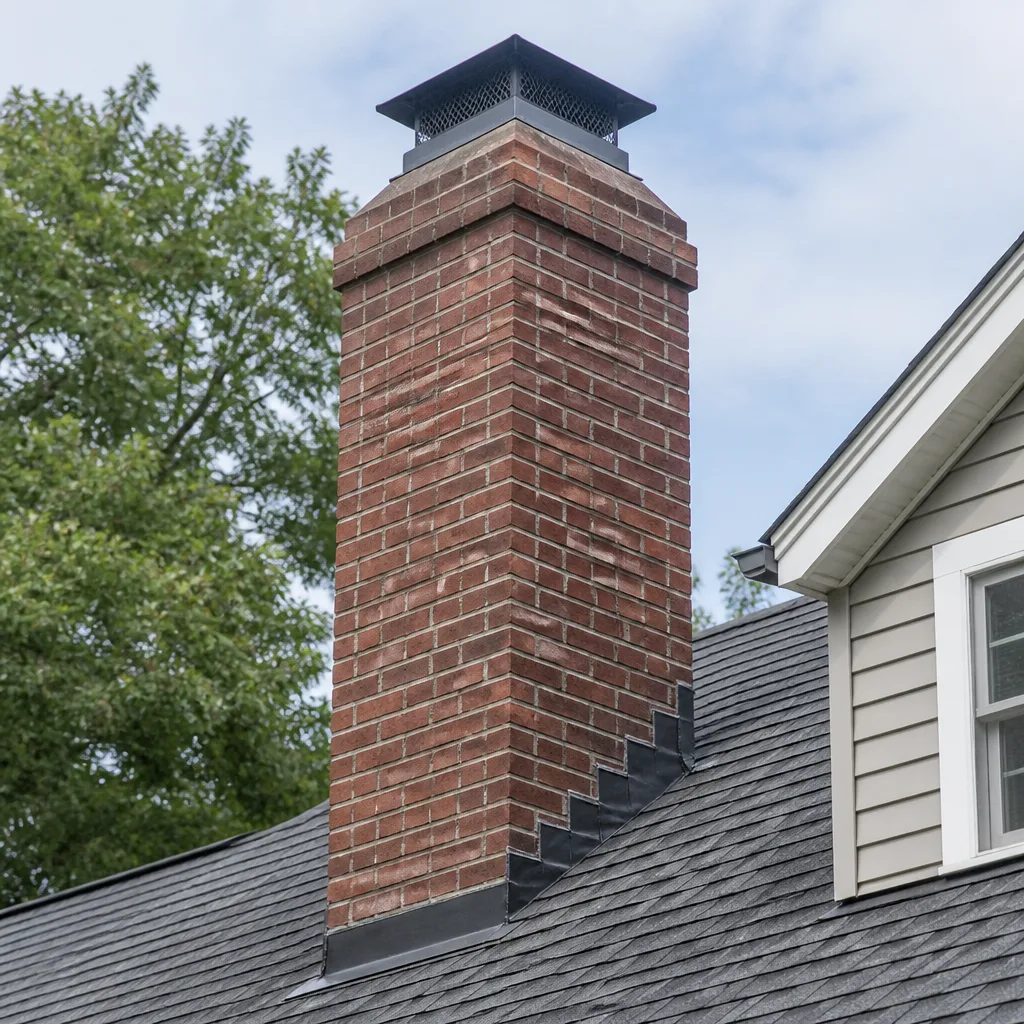 Masonry repair
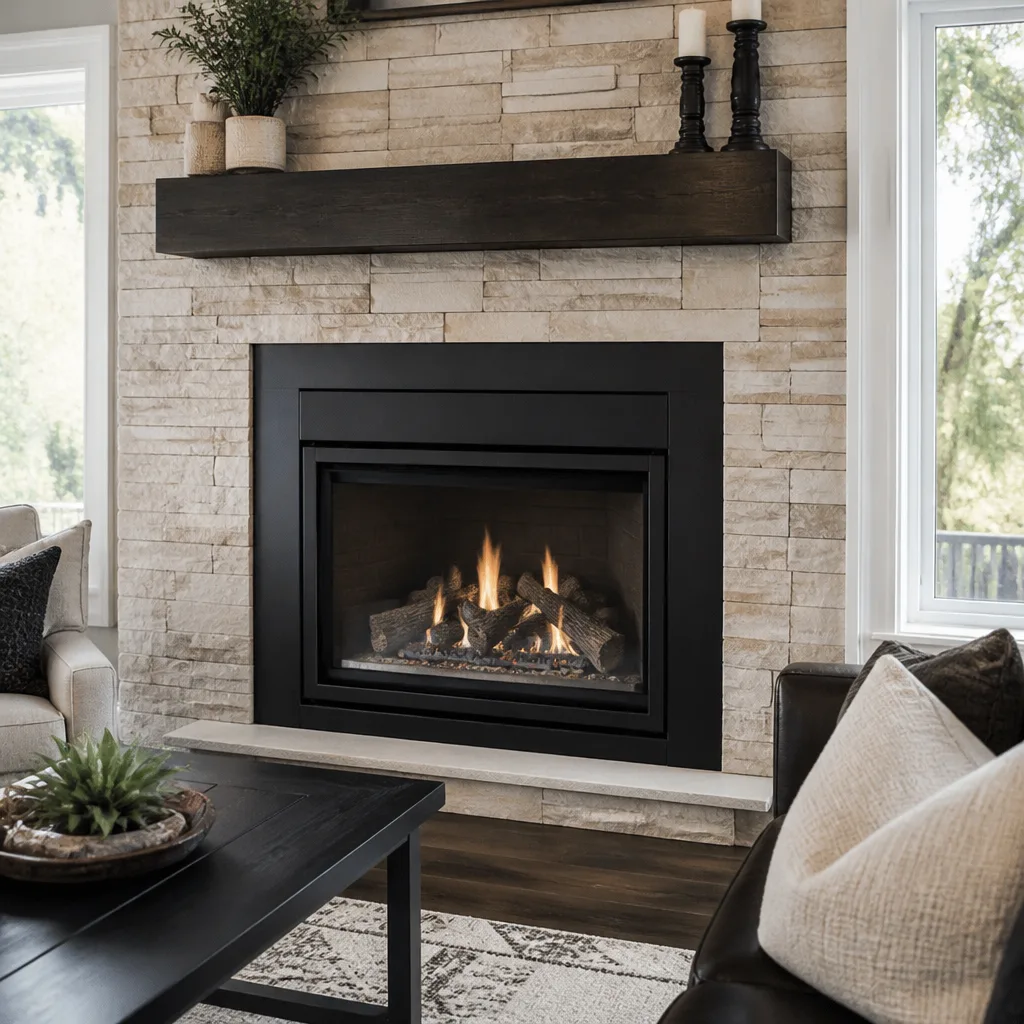 Gas fireplace service
Level 1 sweep and inspection to the NFPA 211 annual standard - flue, crown, cap, and flashing checked and photographed
Chimney sweep logs do not sweep chimneys. They loosen some creosote - which then falls where a brush and vacuum still have to collect it.
How to Hire a Chimney Cleaning Contractor in Aurora: A Step-by-Step Guide
Two receipts can look nearly identical and mean completely different things. A low-cost sweep and a full chimney evaluation can both end with a customer holding a slip of paper, and the gap between them only becomes obvious later, when a liner fails and an insurer asks for documentation that was never produced. Hiring a chimney cleaning contractor in Aurora isn’t difficult. Hiring one who won’t miss a cracked liner, or invent work you don’t need, comes down to knowing four questions most homeowners never think to ask. This guide walks through each one, plus how to check credentials and spot the crews that surface here after every wind event.
Quick Answer
To hire a chimney cleaning contractor in Aurora, verify that the company specializes in chimneys, ask for a camera inspection and a written report with photos, confirm which repair materials they use, and get the price for the sweep in writing before anyone starts. A qualified specialist documents what they found and can show you why any repair is needed. A sweep-and-go operator cleans, collects, and leaves you nothing to verify.
Styles & brands we work with
- Sweep & inspection
- Caps & crowns
- Flue relining
- Masonry repair
- Gas fireplace service
Table of Contents
- What CSIA Certification Actually Verifies
- The Four Questions That Separate a Specialist from a Sweep-and-Go
- Why the Inspection Comes Before the Sweep
- Aurora Red Flags: Wind-Event Crews and Package Language
- How to Verify a Contractor Before You Sign
- Why a Photo Report Outranks Any Warranty
- Repair Materials: What the Professionals Actually Use
- How Often a Chimney Needs Attention in Aurora
What CSIA Certification Actually Verifies
CSIA certification verifies an individual technician’s knowledge of chimney inspection, cleaning, and venting through testing and a required code of conduct. It does not cover the same ground as a general contractor license, and the difference matters more in Colorado than most homeowners realize.
A general contractor’s license in Colorado speaks to business practice, bonding, and the scope of construction work a company may contract for. It says nothing specific about whether a technician can read a flue, recognize a cracked liner, or tell the difference between normal creosote glaze and a hazard. Those are chimney-specific skills, and they’re tested separately. A crew can be fully licensed to remodel a kitchen and still have no idea what they’re looking at inside your flue.
That gap is why we treat certification and licensing as two separate checks. One tells you the business is operating legitimately. The other tells you the person in your living room has been trained to interpret what the camera shows. Ask about both. A company that answers only one is telling you something about itself.
Across Aurora, the housing stock shifts fast from one neighborhood to another. Older homes near the original downtown core and the stretches around Del Mar Parkway tend to have masonry chimneys with decades of use behind them. Newer builds out toward Southlands and the eastern edges often have factory-built fireplaces with metal flue systems that call for a different eye entirely. A technician who only knows one type will miss what the other is telling them. General best practice is that a chimney professional should be able to describe, in plain terms, what kind of system you have before they touch it.
The Four Questions That Separate a Specialist from a Sweep-and-Go
These four questions do the heaviest lifting in the hiring decision. Ask them on the phone, before you book, and listen for whether the answers are specific or vague.
- What documentation comes with the visit? A specialist produces a written condition report. A sweep-and-go operator hands you an invoice. Ask to see a sample report. If the answer is “we’ll let you know what we find,” you’ve learned what you needed to know.
- Do you use a camera to inspect the flue? A camera inspection shows the interior of the liner in a way a flashlight from the firebox never will. If a company cleans without inspecting, a cracked liner can go unnoticed while the homeowner believes the job is finished.
- Will I get written findings, including photos? Photos are the difference between a recommendation and evidence. A company that documents with images can show you the exact spot they’re concerned about, and you can show it to anyone you choose.
- Where do your repair materials come from? A specialist names professional supply lines. DuraFlex for flexible relining, HeatShield for resurfacing a deteriorated liner, Gelco and Famco for caps and covers, Olympia Chimney and Copperfield across repair components. If the answer is “whatever the hardware store has,” that tells you how the repair will hold up.
None of these questions require technical knowledge to ask. They require a company to prove, not promise. That’s the whole point. The same four questions apply whether you’re a homeowner who burns wood every winter or a buyer’s agent who needs a report a lender will accept.
Why the Inspection Comes Before the Sweep
We inspect before we sweep, and not out of ceremony. The inspection tells us what we’re dealing with, and the cleaning tells us what’s actually there. In practice the order runs like this:
- The technician evaluates the firebox, damper, smoke chamber, flue, and cap.
- They check the exterior, including the masonry, crown, and flashing at the roofline.
- The flue is documented with a camera before any cleaning begins.
- The sweep itself is done with the proper tools for the creosote stage present.
- Findings are reviewed with the homeowner, along with photos and a written summary.
Sweep first and the technician only learns how dirty the flue was. Inspect first and they learn what condition the flue was in while it was dirty. Those are different questions, and only one of them tells you whether it’s safe to use the fireplace this winter.
Aurora’s winters are cold enough that fireplaces get real use from November through March, and the dry, windy stretches push the weather side of a chimney hard. Freeze-thaw cycles work on mortar and crowns. Wind drives against caps and flashing. A pre-season inspection in late summer or early fall catches those problems before the burning season makes them worse. The point isn’t to frighten anyone out of using their fireplace. It’s to know what’s there before the season starts, not after.
For homeowners who do use the fireplace for heat and not just ambiance, the inspection is where a chimney sweep either proves its worth or doesn’t. If the report is thin, the cleaning behind it probably was too.
Aurora Red Flags: Wind-Event Crews and Package Language
Aurora gets serious wind. The Front Range gusts are a fact of life here, and after a strong event, crews appear offering chimney cleanings and roof checks at prices that sound reasonable. Some of them are legitimate. Many aren’t, and the signs are consistent.
- Seasonal pop-up crews. A company that materializes after a windstorm and disappears before winter is not a company that will be around to stand behind the cap they installed. Ask how long they’ve operated and where their business is registered.
- Storm-chaser pricing. Quotes delivered fast, on the spot, with pressure to sign that day. A legitimate estimate is a written document you take time to read.
- Vague “cleaning included” language. Packages that bundle “inspection” without saying what the inspection covers. Camera? Written report? Photos? “Cleaning included” can mean almost anything.
- Prices that arrive before the technician does. A written estimate requires a stated scope of work. A price based on a phone description is a placeholder, and it tends to grow.
- No documentation offered. Companies that won’t produce a written report on the first visit rarely produce one on the second.
Reading this list, you might think “these all sound obvious.” In practice, the red flags only look obvious when you know what to look for. After a wind event, the customer with the loose cap is under pressure and an unsolicited offer feels like a solution. Ask for the report. Ask for the materials. The right company answers without hesitation.
How to Verify a Contractor Before You Sign
Verification is a short, concrete list. Nothing on it takes technical knowledge, and each item protects you in a different way.
- Look up the business in Colorado’s Secretary of State registration records. Confirm the business name matches the one on the estimate and that the entity is active.
- Check contractor licensing through the state’s licensing database. The state maintains records of licensed contractors, and you can confirm what class of work a company is licensed to perform.
- Ask about CSIA certification for the technician, not just the company. The certification belongs to the individual.
- Request insurance and bonding documentation. A company that carries proper coverage should be able to produce a certificate of insurance on request.
- Ask for the written estimate before scheduling. It should describe the scope, the stated condition of the chimney, and what the price covers.
- Request the name and contact information that will be on the invoice. A different entity name on the invoice than on the estimate is a question worth asking.
That’s the business side. The skill side is what the four-question phone call covers. You want both. A company can be legitimate and still not know how to read a flue. A company can be a skilled technician operating under a name they don’t own.
One more item: ask how the company records work. A specialist keeps a record of what was found and what was done on each chimney. When you sell a home in Aurora, or refinance, or file a claim, that history is worth considerably more than any verbal promise. A documented report from a company you can identify is the thing an insurer, a real-estate agent, or a fire inspector will actually accept.
Why a Photo Report Outranks Any Warranty
A written condition report with photographs is more valuable than any warranty an agreement can contain. That’s not a knock on warranties. It’s that a photo report shows you what’s actually there, and a warranty just tells you what happens if someone was wrong.
Photos do three things a warranty can’t:
- They verify. A photo of a cracked flue tile, a failed crown, or a deteriorated liner joint is evidence. You can see it, and you can share it with anyone whose opinion you value.
- They document condition, not just work. A warranty covers labor and materials. A condition report covers the state of your chimney at a point in time, which matters when you’re buying or selling a home in Aurora.
- They let you defer with confidence. A report that says a repair is minor and can wait until spring lets you hold that recommendation against a second opinion. A warranty offer at the same moment can’t give you that.
The reason this matters is the single biggest hesitation homeowners have about chimney work: being told they need thousands of dollars of liner or masonry repair they have no way to verify. A photo report answers the hesitation directly. Nothing is recommended without camera evidence you can see with your own eyes, and when the evidence says a repair can safely wait, the report will say so. That’s worth more than any assurance in a service contract.
If a company pushes repair work but won’t show you a photo of the problem, you’ve got your answer. For more on what a full evaluation covers, our page on chimney repair walks through the common issues and what the fix actually involves.
Repair Materials: What the Professionals Actually Use
The materials a company uses tell you what kind of company it is. This is where the gap between a specialist and a generalist becomes visible.
Flexible relining is the most common example. Most wood-burning chimney repair calls eventually involve the liner, and the industry standard for a safe, code-compliant relining system is a flexible stainless liner from a professional supplier. DuraFlex is one of the names you’ll see on those jobs. A hardware-store patch is a different product with a different lifespan and doesn’t belong in a flue.
Caps and covers are the same story. A cap protects the chimney between service visits and reduces future repair calls. Famco and Gelco supply caps and covers to professionals, and the difference between a proper cap and a makeshift cover is what you’ll find in the flue cavity a few years from now.
Resurfacing is the clearest distinction. A deteriorated flue liner isn’t always a full reliner job. HeatShield resurfacing is a specialized method that restores a failing liner without a full replacement, and it’s available only through trained applicators. Most generalist cleaners can’t offer it. A company that names HeatShield as an option has a broader toolkit for a problem the customer would otherwise only hear solved with replacement.
The reason all of this matters to a homeowner hiring in Aurora is simple. Repair materials are difficult to verify after installation. You can’t look up the flue two years later and see what kind of cap is on it. So the qualification happens at the front end. If a company can’t describe what it stocks and why, the decision should wait.
How Often a Chimney Needs Attention in Aurora
A yearly inspection is the general baseline. The question of how often a chimney needs to be swept depends on how much it’s used, what’s burned, and what the flue looks like on camera. Industry best practice, widely accepted among chimney professionals, is to have the chimney inspected annually and cleaned as needed based on that inspection.
In Aurora specifically, a few things push the schedule around:
- Burning volume. A fireplace used weekly through the winter needs a sweep far sooner than one used a handful of times a year.
- What’s being burned. Seasoned hardwood produces different buildup than unseasoned wood or anything burned that shouldn’t be.
- Wind and weather exposure. The Front Range wind drives against caps and flashing year-round, and freeze-thaw works on masonry, crowns, and mortar.
- Home age and chimney type. An older masonry chimney in an established Aurora neighborhood has a different service rhythm than a newer factory-built system.
- Buying, selling, or insuring. A documented inspection is often a condition of a transaction or a policy, which resets the timeline regardless of use.
The clean answer to “how often?” is: inspect every year and sweep when the inspection says so. If someone gives you a fixed sweep interval without looking at your chimney, they’re guessing. If somebody says “you don’t need a sweep this year, here’s the photo, here’s why,” that’s a specialist.
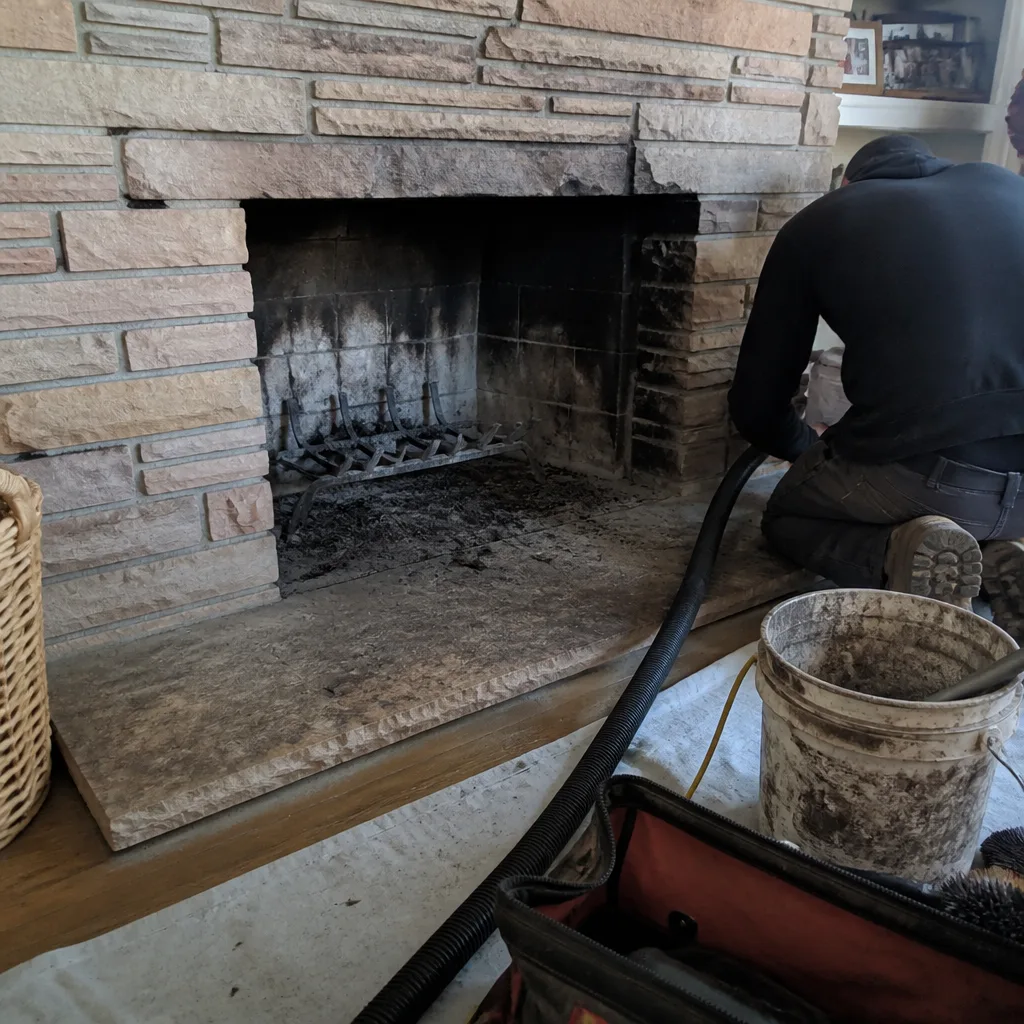
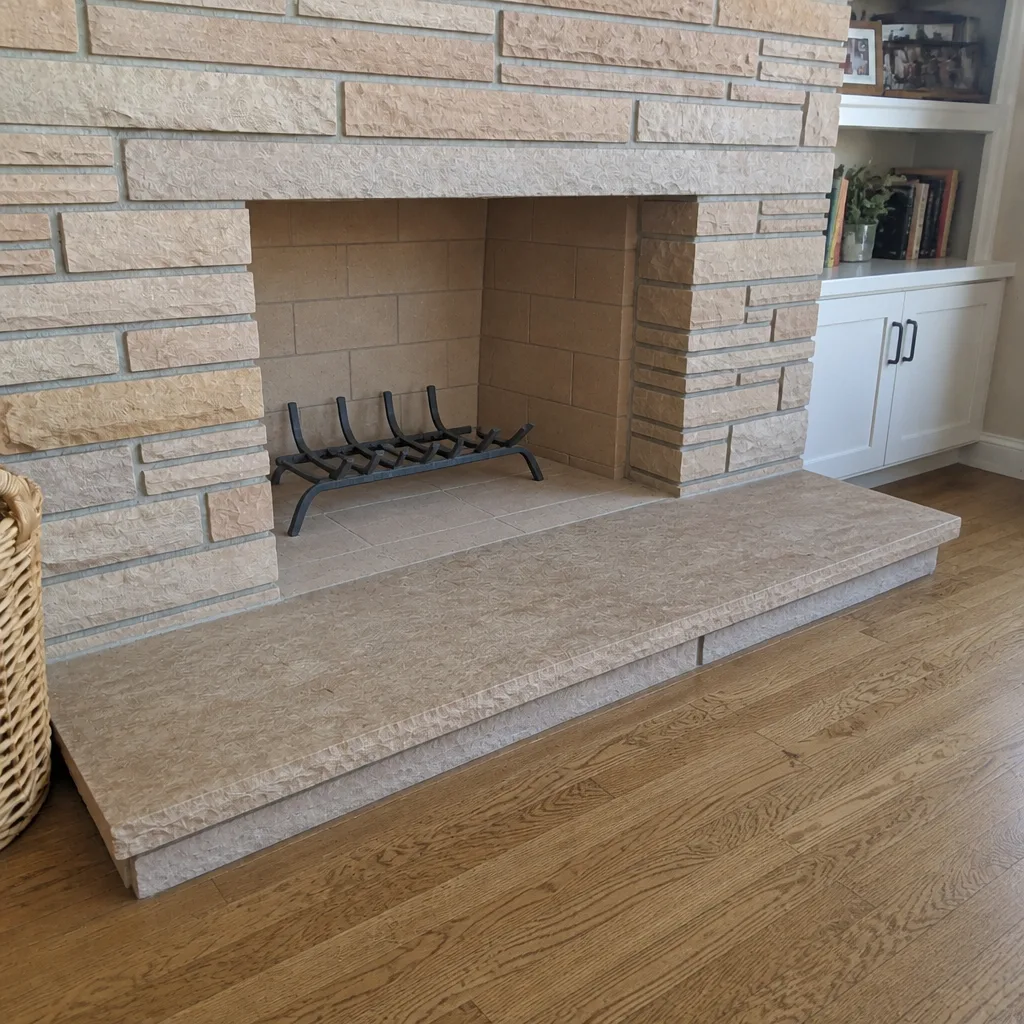
See the difference
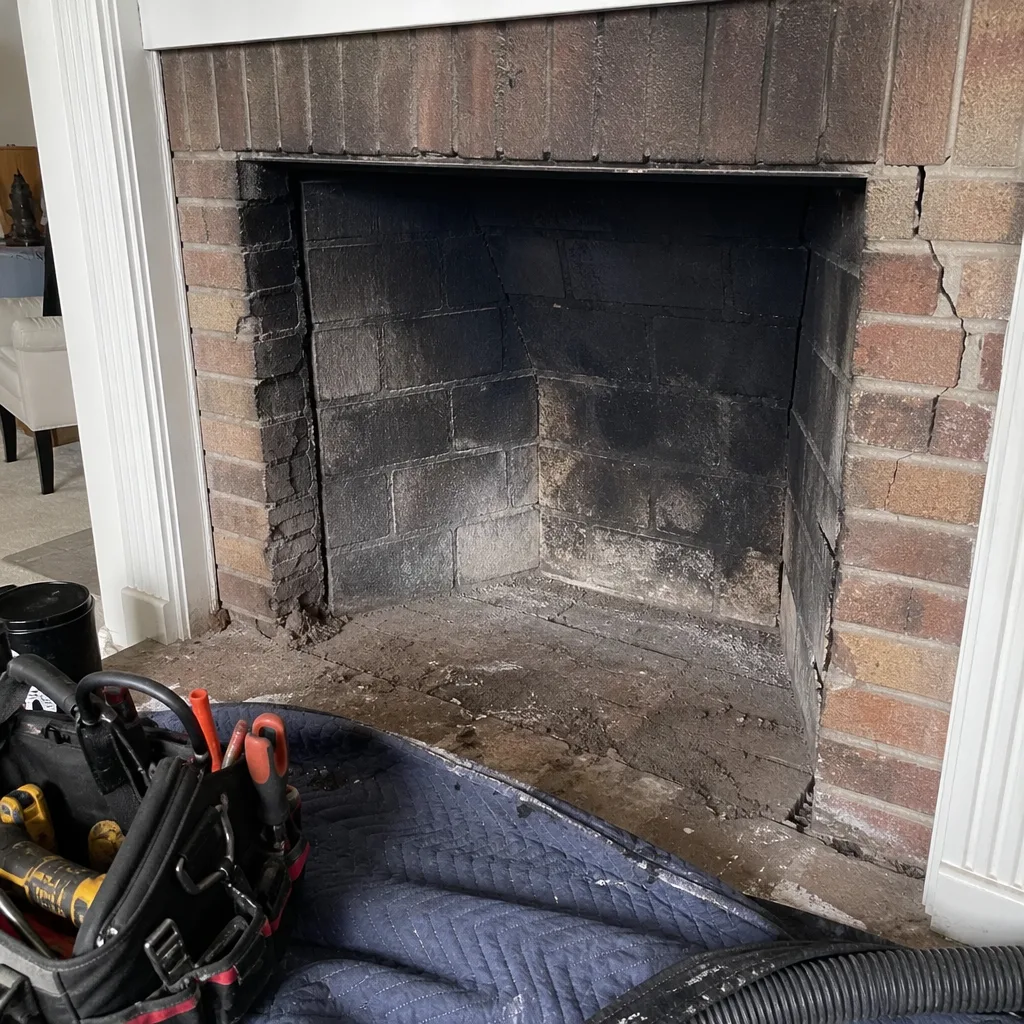 Before
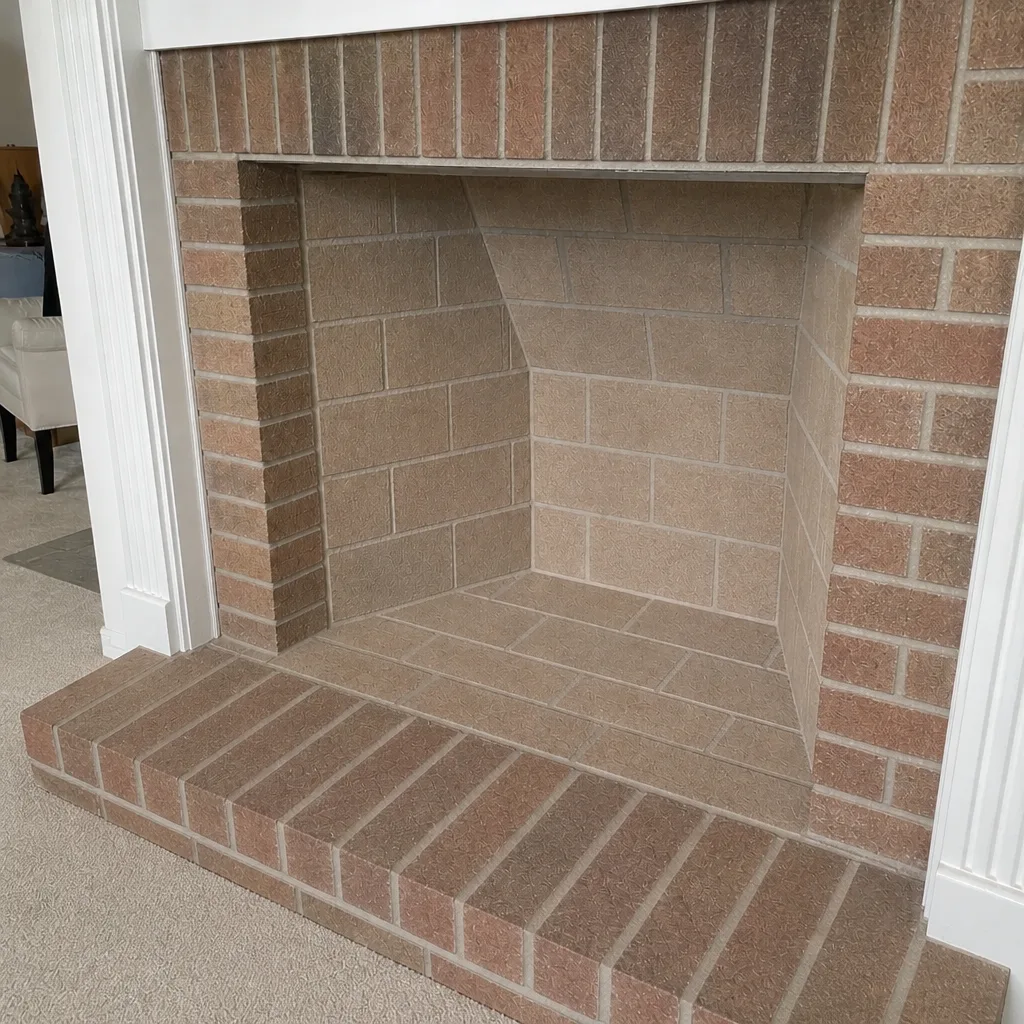 After
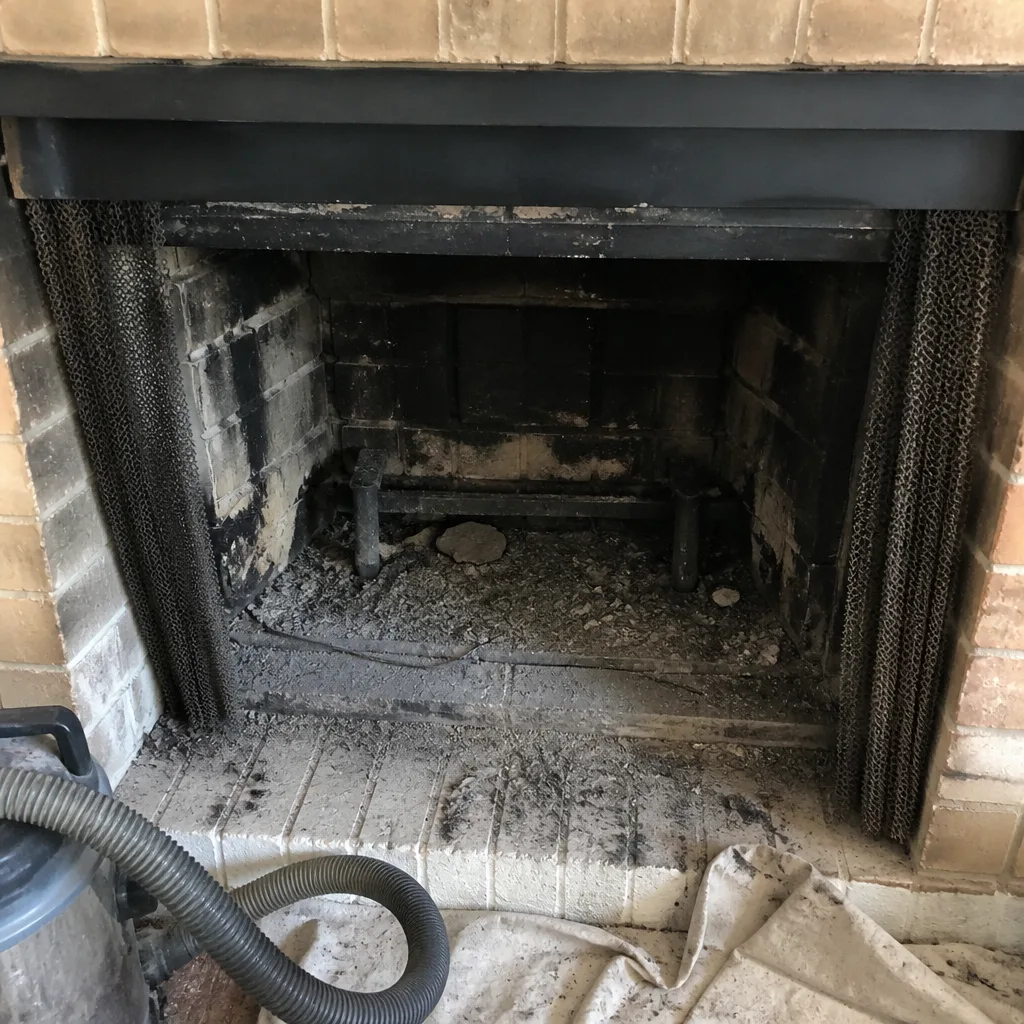 Before
 After
 Before
 After
Common Mistakes to Avoid
- Booking the cheapest sweep on a home-services app and assuming the work is equivalent. A low price often reflects a sweep without an inspection. The cleaning may be fine. What you don’t get is the report.
- Skipping the camera inspection to save the extra step. A flashlight from the firebox shows you a fraction of the flue. A camera shows the whole liner. If the company won’t use one, the work is incomplete.
- Accepting a verbal “everything looks fine.” Verbal findings can’t be reviewed, shared, or compared. A written report with photos can.
- Signing a service agreement with vague warranty language and no scope description. A warranty is only as good as the scope it covers. Without a stated scope, it covers very little.
- Hiring a wind-event crew that appeared after the last storm. Ask whether the company has a registered business and how to reach them in the spring. The answer is worth hearing.
- Approving repair work before you’ve seen the evidence. Any recommendation should come with a photo or a camera image of the problem. “Trust me, it’s bad” isn’t a diagnosis.
- Assuming general contractors cover chimney work. Licensing for general construction is not the same as chimney-specific training. Ask about CSIA certification directly.
When to Call a Professional
There are specific situations where waiting is the wrong call. If you’ve just moved into a home in Aurora and don’t know when the chimney was last serviced, get an inspection. If the previous owner left no records, the chimney is a blank page. If you’re buying or selling and a lender or insurer wants documentation, schedule the inspection before the transaction moves forward. If you’ve noticed smoke backing into the room, a strong odor from the firebox when the fireplace isn’t in use, or visible damage at the crown or flashing, those are signs the chimney should be looked at now rather than in the spring. And if a strong wind event has just passed through, a cap or flashing check is cheap insurance. Morningstar Chimney Sweep offers free estimates in Aurora – call (855) 368-2029.
Frequently Asked Questions
Price depends on the chimney, the condition of the flue, and what the inspection finds. We set every price per job by a written estimate, and the estimate is free. The written estimate is the final price. What we won’t do is quote a number sight-unseen and adjust it once we’re on the roof. Call (855) 368-2029 for an exact quote – estimates are free.
Not always. A deteriorated liner sometimes needs full relining, sometimes can be restored with HeatShield resurfacing, and sometimes isn’t a problem at all yet. The only way to know is to see it on camera. We don’t recommend liner work without showing you the photo that supports it, and we’ll say plainly when a repair can safely wait. Call (855) 368-2029 to book an inspection.
Inspect annually, and sweep when the inspection says so. Usage, fuel type, and the condition of the flue determine the sweep interval more than the calendar does. A homeowner burning wood all winter in Aurora will need sweeps more often than someone who lights the fireplace a dozen times a season. Call (855) 368-2029 for an inspection that will tell you where your chimney actually stands.
Creosote accumulates in the flue with use, and in its harder forms it’s the fuel for a chimney fire. A cracked liner can let combustion gases escape into the home instead of up the flue. We won’t oversell the risk, but we won’t downplay it either. An annual inspection catches both issues while they’re still simple to fix. Call (855) 368-2029 for a free estimate and to put a documented inspection on the calendar.
The sweep cleans; the inspection evaluates condition. We do both on the same visit, and we inspect before we sweep. The report that comes out of the inspection is what you keep. Call (855) 368-2029 to schedule both together.
Yes. Our inspections produce a documented condition report with photos, and that document can be shared with your insurer, real-estate agent, or local fire marshal. If the transaction needs documentation of the chimney’s condition, the report is designed for that purpose. Call (855) 368-2029 to discuss what your transaction requires.
The Bottom Line
A chimney cleaning is a service. A chimney diagnosis is a document. The right contractor for Aurora delivers both. Verify certification and licensing separately, ask the four questions before booking, insist on a camera inspection and a written report with photos, and confirm which professional materials the company uses for repairs. Those steps take one phone call and protect you through every season that follows. If a recommendation comes with evidence you can see, you’re talking to the right company. If it comes with a verbal promise and a price, you’re not. Call (855) 368-2029 to talk through a free estimate. We answer 24/7. Fast dispatch from 7am to 7pm, Sunday through Friday. Morningstar Chimney Sweep serves homeowners throughout Aurora and works with professional materials from DuraFlex, HeatShield, Gelco, Olympia Chimney, Famco, and Copperfield.
Written by the team at Morningstar Chimney Sweep.