
Last updated November 16, 2026
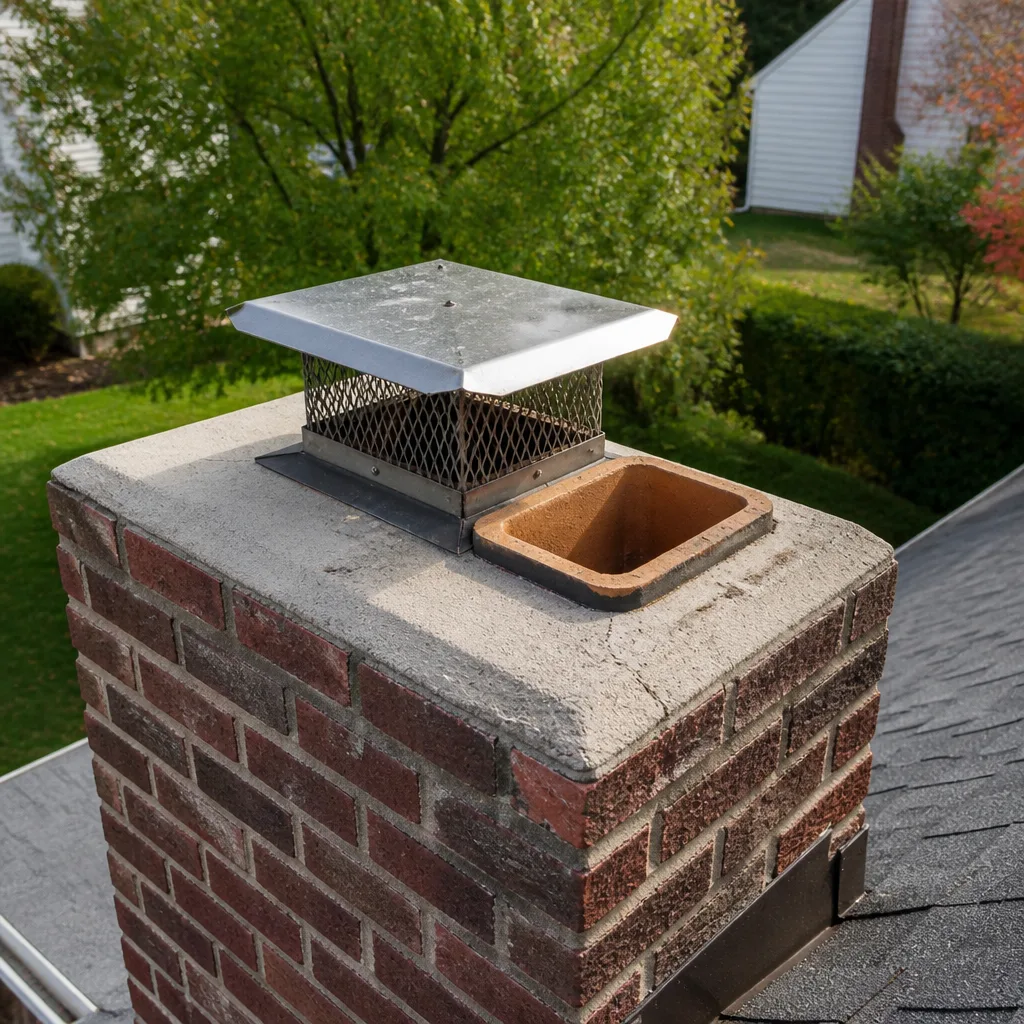 Sweep & inspection
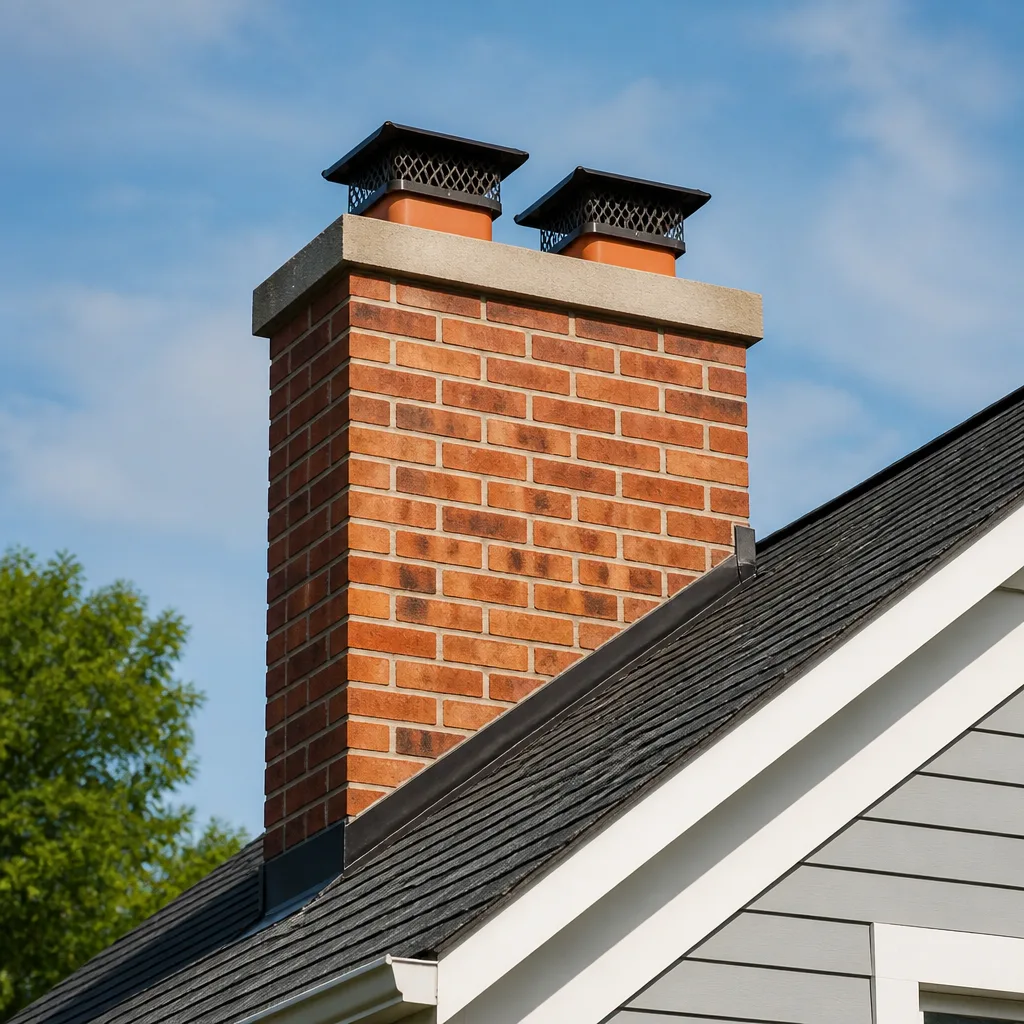 Caps & crowns
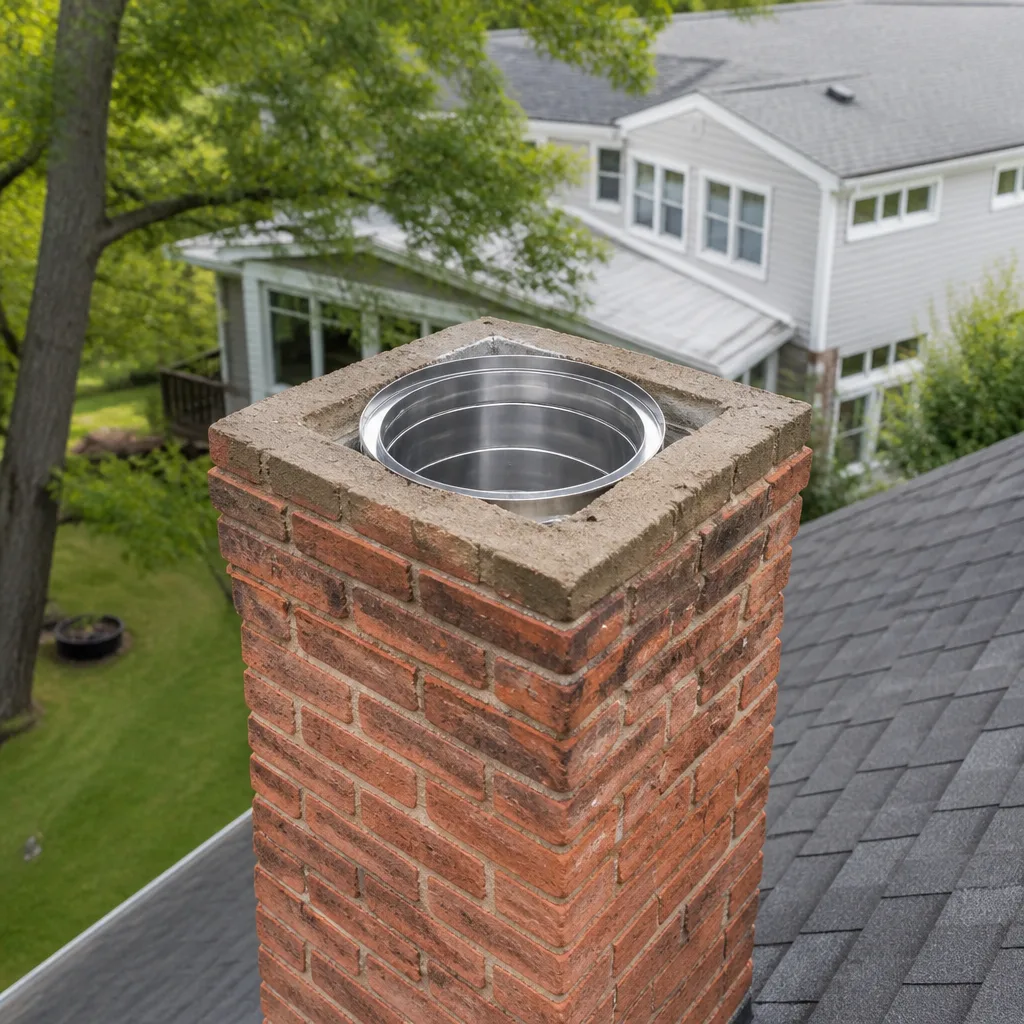 Flue relining
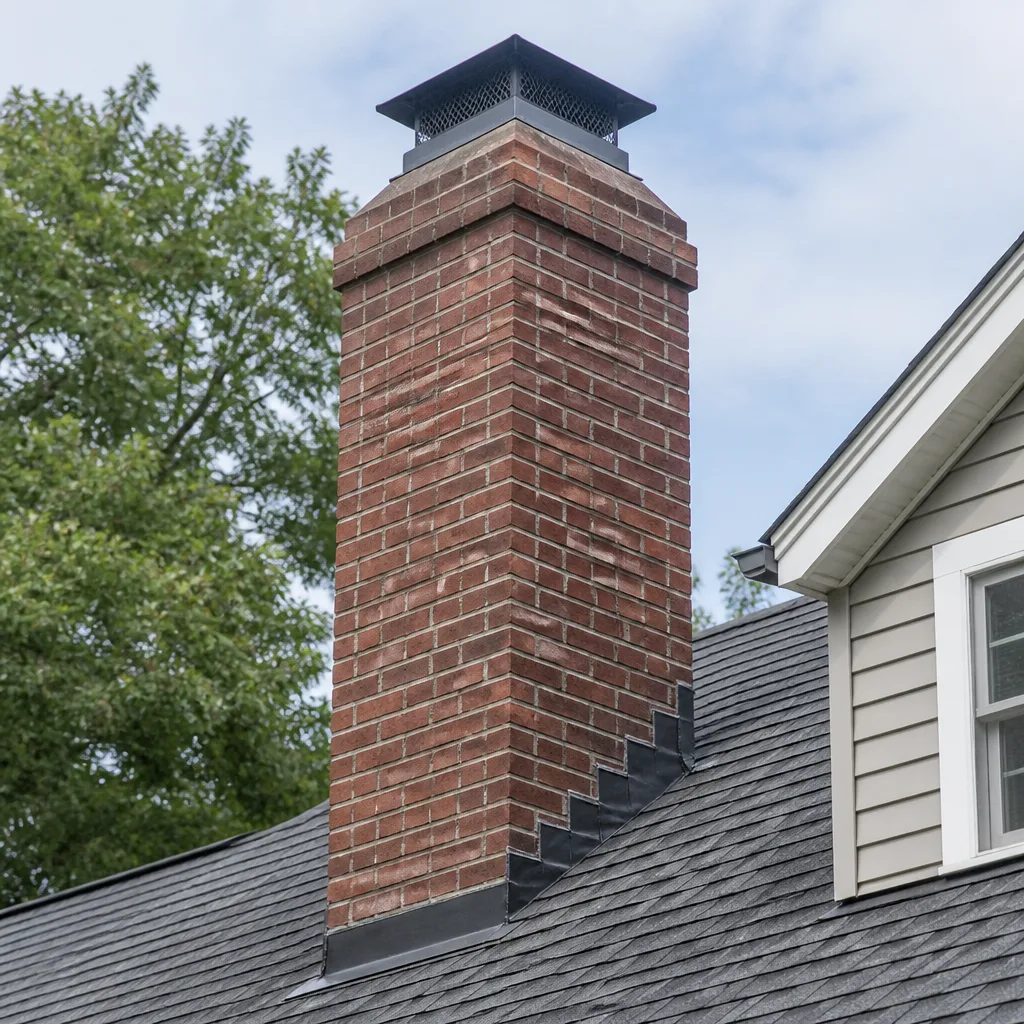 Masonry repair
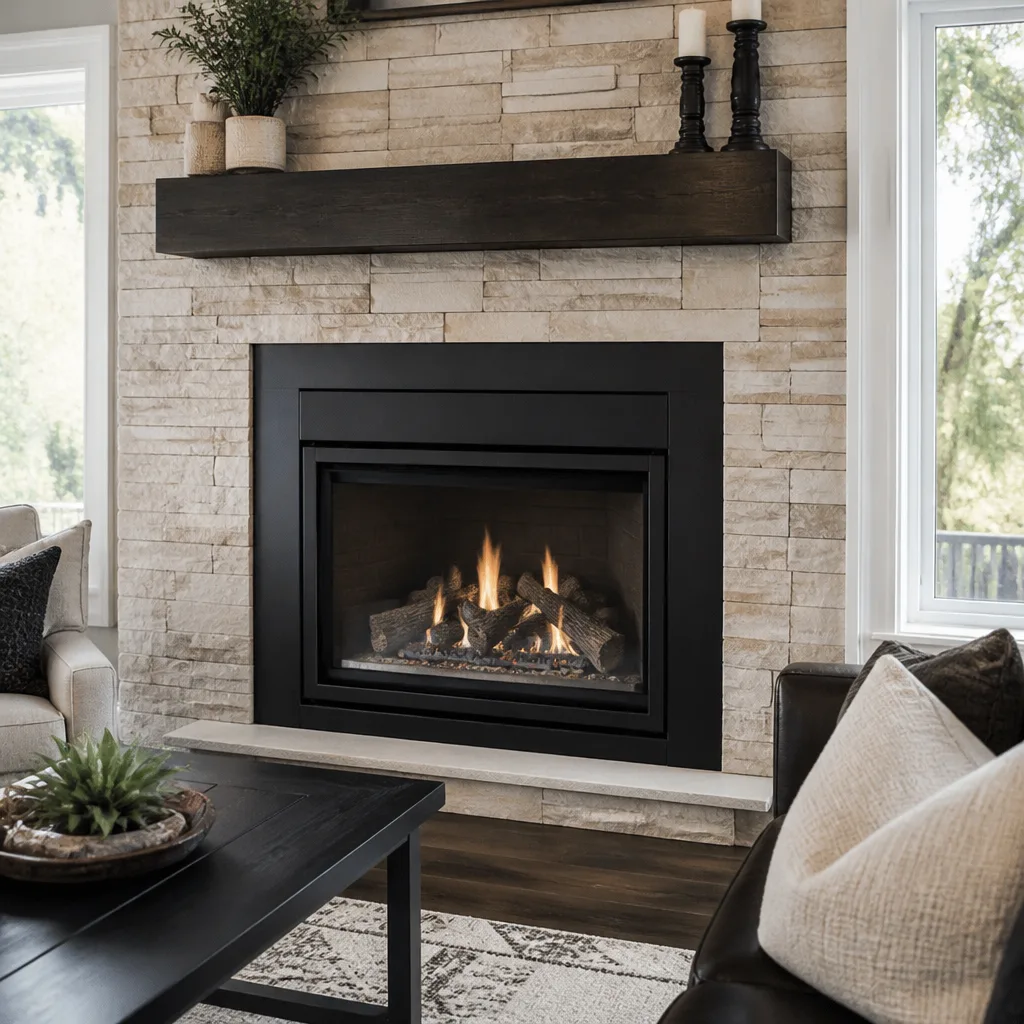 Gas fireplace service
Level 1 sweep and inspection to the NFPA 211 annual standard - flue, crown, cap, and flashing checked and photographed
Chimney sweep logs do not sweep chimneys. They loosen some creosote - which then falls where a brush and vacuum still have to collect it.
Chimney Cleaning Warning Signs: An Aurora Homeowner’s Reference Guide
Most chimney warning signs get described in ways that don’t help you decide anything. “You smell smoke” tells you nothing about whether to call someone today or write it on a list for next fall. “There’s a stain” could mean a cracked crown, a leaking flashing, or a decade of deferred maintenance that hasn’t caused a problem yet. And the symptom that homeowners most often shrug off, a fire that smokes heavily in the first few minutes and clears slowly afterward, is the one that most reliably points to a real blockage instead of a draft quirk. In this guide we decode the signs by cause, by urgency, and by the repair path each one actually points to, so you walk into any conversation with a contractor already knowing roughly what you’re being told. That matters in Aurora, where fall arrives fast and fireplaces get lit in October before anyone has thought about the flue since spring.
Quick Answer
The warning signs that mean you should schedule a chimney cleaning or inspection now are: a slow-clearing smoky fire, a strong smoke smell from an unused fireplace, dark staining at the top of the firebox, flaking firebrick, white staining on the exterior chimney above the roofline, or a chirping or scratching sound in the flue. Signs that can usually wait for a scheduled visit are light soot buildup, a few loose bricks in the firebox floor, and normal creosote odor after weeks of cold weather use. When the symptom involves draft reversal on a windy day, the fix is usually ventilation or a cap issue, not the sweep.
Styles & brands we work with
- Sweep & inspection
- Caps & crowns
- Flue relining
- Masonry repair
- Gas fireplace service
Table of Contents
- How to Decode a Chimney Symptom Before You Call
- Three Smells Aurora Homeowners Confuse
- Why Smoke Hangs in the Room After a Fire
- What You Can See Inside the Firebox Without a Camera
- Why White Staining Above the Roofline Is Structural
- Which Signs Are Urgent and Which Can Wait
- Wildlife, Debris, and Blocked Flues
- What a Chimney Appointment Actually Looks Like
How to Decode a Chimney Symptom Before You Call
Every chimney problem leaves a clue in one of four places: the way a fire burns, the way the house smells, the way the firebox looks, or the way the chimney looks from outside. Each location narrows the cause to a short list. Understanding which list a symptom falls on is the difference between calling a chimney specialist and calling an HVAC contractor, a roofer, or nobody at all.
Here’s how we sort it in the field, and how you can sort it before your first call:
- Symptom shows up during a fire. Smoke that backs up, won’t clear, or rolls out of the firebox means a draft or blockage issue. Sweeping may fix it. Ventilation may fix it. Either way, it’s a chimney problem, not a combustion problem.
- Symptom shows up when the fireplace is off. A smell in an unused fireplace, a draft coming down the flue on a windy day, or a soot stain appearing after a storm points to pressure, a missing cap, or wildlife. None of these are helped by sweeping the flue.
- Symptom shows up when you look inside the firebox. Flaking brick, cracking mortar, and white deposits on the firebrick all point to moisture or heat damage in the flue structure. These require an inspection with a camera, not just a cleaning.
- Symptom shows up on the roof or the exterior wall. White staining, rusted chase covers, cracked crowns, and missing caps are all exterior chimney issues where the fix usually involves masonry or a chimney cap from Gelco or Famco rather than a flue problem.
Aurora’s climate makes one pattern come up more often than in milder parts of the country: the interior of the flue stays warm during burning season, then cools sharply once the fire is out. That daily cycle of heating and cooling drives moisture movement through masonry, which is why we see so many hairline mortar cracks and small firebox spalls in Aurora homes that a homeowner assumed were fine. Knowing whether your sign is heat-cycle damage or a real combustion issue changes what happens next.
If you want the base layer first, Morningstar Chimney Sweep starts every home visit with an inspection before any cleaning, so the sweep is targeted at whatever the flame-and-camera check actually found. That order matters. A cleaning can’t tell you what’s wrong; an inspection can.
Three Smells Aurora Homeowners Confuse
Chimney odors come from three very different sources, and homeowners regularly describe all three the same way: “it smells like a chimney.” The three are creosote, moisture, and wildlife, and each has a distinct character once you know what to listen for. Getting the smell right on the first call can save you an entire trip charge.
Creosote odor
Creosote smells like tar, asphalt, or a campfire that’s been doused. It’s strongest on warm, humid days, in the first hour after a fire is lit, and when the wind blows across the top of the chimney. If the smell comes and goes with the weather, it’s creosote. If it’s flat-out present all summer, it’s usually still creosote, just heavier. This is the one smell that a regular cleaning does address, because the cleaning physically removes the creosote layer from the flue wall.
Moisture odor
Moisture in a chimney smells damp, musty, and a little like a basement that’s been closed up for a summer. It’s often strongest in the morning and after rain. The cause is water getting into the flue from a missing cap, a failed crown, or a damaged flashing at the chimney-roof joint. Cleaning won’t fix this one. Fixing the entry point will, and then the flue needs to dry out before it’s used again. The fix typically involves a chimney cap through a brand like Gelco or a crown repair from the masonry side.
Wildlife odor
Wildlife in the flue smells musky, nests, and often comes with sound: scratching, chirping, fluttering, or a bird that seems to be inside the chimney. The strongest clue is timing. If the smell showed up suddenly, during a cold snap or a storm, wildlife is more likely than either creosote or moisture. Never light a fire to “flush out” whatever is in the flue. Call first.
- Tar or asphalt smell: creosote. Cleaning helps.
- Damp, musty smell: water intrusion. Fix the cap or crown first, then inspect.
- Musky smell with sound: wildlife. Call for removal, do not burn.
- Soot smell after wind: draft reversal or a missing cap.
If you can’t tell which of the three you’re smelling, describe the timing and the trigger to us when you call. Warm day versus cold snap, morning versus evening, wind versus calm. That detail alone gets us to the right diagnosis faster than any description of the smell itself.
Why Smoke Hangs in the Room After a Fire
Delayed smoke clearing, where a fire lights fine but then smokes into the room for the first few minutes before settling, is the warning sign Aurora homeowners most often rationalize away. It’s easy to explain as “the flue was cold” or “the wood was damp.” Sometimes it is. But when the smoke hangs in the room every time, on every fire, in every weather condition, it usually points to a partial blockage, a cold flue that needs a pre-heat burn, or a draft reversal caused by negative pressure in the home.
The way to sort it out is a quick check that doesn’t require climbing anything:
- Look at the pattern. Does the smoke roll out of the firebox at start-up and clear within five to ten minutes? That’s a cold-flue problem, and a pre-heat burn helps. Does it smoke the entire time the fire is lit, regardless of wood, regardless of weather? That’s a blockage or a pressure issue.
- Note the weather. If smoke backs up only on windy days, that’s a pressure or draft-reversal problem, not a blockage. A top-sealing damper or a properly sized cap can help.
- Check what’s around the house. In newer Aurora neighborhoods, tight construction and modern exhaust fans can create the negative pressure that causes draft reversal. Sweeping won’t touch that, but a mechanical fix will.
- Look at the fire itself. Smoke that pours and doesn’t rise at all, before the fire is really going, is the most reliable sign of a partial blockage. Get it inspected.
Creosote buildup at the top of the flue is the most common cause of a genuine blockage we see, because the flue is coolest there and creosote is thickest there. A bird nest, a collapsed tile, or a dislodged cap can also narrow the flue enough to matter. chimney repair for these cases starts with a camera inspection so the exact obstruction is on record before anything is removed.
If you’ve been telling yourself the smoke “clears up eventually, so it’s fine,” that’s the assumption worth testing. It’s the symptom most likely to be a real problem instead of a draft quirk, and it’s the one we’re most often called to after the smoke has been happening for years.
What You Can See Inside the Firebox Without a Camera
You don’t need a camera to spot the visual warning signs that indicate liner damage. The firebox and the first few feet of flue are visible with a flashlight, and three patterns in particular tell a story about the health of the liner behind the brick. Get a bright flashlight and look closely at:
- Spalling firebrick. Firebrick that is flaking, pitting, or peeling away in layers is a sign of repeated heat stress or moisture in the masonry. Small spalls are common and not urgent. Deep spalling that exposes the softer brick behind the firebrick is a liner question and needs inspection.
- Efflorescence. White, powdery deposits on the firebrick (distinct from soot, which is black or brown) are efflorescence, a mineral bloom that forms when moisture moves through masonry and evaporates. If you see this on the inside of the firebox, water is moving through the chimney somewhere above. That’s the underlying problem, not the powder itself.
- Discolored mortar patterns. Mortar between firebrick that has turned dark grey, crushed to powder, or recessed behind the brick face is heat damage. A hairline crack in the joint that reappears after repointing is a sign the underlying movement hasn’t been solved.
The most useful habit is a flashlight check in the spring, after the last fire of the season, and again in the fall before the first burn. Aurora’s swing between dry summers and cold winters means the masonry expands and contracts more than homeowners expect, and a joint that looked fine in October often doesn’t look fine in April. A chimney sweep that ignores the firebox and only cleans the flue is missing half the information.
These firebox symptoms are also the ones a home inspector will flag during a real estate transaction, which is why a documented inspection report is worth having in a file. Whether you’re staying put in Aurora or preparing a home for sale, an inspection report you can hand to a buyer, insurer, or a local fire marshal settles questions without guesswork. Our inspections produce exactly that kind of report: condition found, condition documented, and a clear statement of what (if anything) needs attention next.
Why White Staining Above the Roofline Is Structural
White staining on the exterior of a chimney above the roofline is not cosmetic. It’s efflorescence, and efflorescence on the outside is a message from the inside: water is moving through the brick or masonry and coming out on the surface. On a chimney, water moving through masonry usually means one of a handful of entry points has failed, and each of them is a structural concern rather than a paint-over.
The most common entry points we find on Aurora chimneys are:
- A cracked or spalling crown. The crown is the concrete cap on top of the chimney that sheds water away from the masonry. When it cracks or crumbles, water runs straight down into the chimney structure instead of off it.
- A missing or rusted chimney cap. Without a cap, rain falls directly into the flue, and animals get in. Gelco and Famco chimney caps are the fix here, and they’re part of the same professional supply chain commercial chimney contractors use.
- Failed flashing at the roof joint. The metal flashing that seals the chimney to the roof is a common leak point, especially after a roof replacement or a hard hail season.
- Spalling brick above the roofline. Brick that is flaking on its face or losing its hard outer shell absorbs water instead of shedding it. Freeze-thaw cycles then widen the damage each winter.
Why does this matter for chimney cleaning specifically? Because water damage above the roofline is often mistaken for a dirty chimney. A homeowner sees dark or chalky staining on the exterior, assumes the chimney needs a cleaning, and books a sweep. The sweep comes out, cleans the flue, and the staining is exactly as bad as it was. The actual fix is on the masonry side: crown repair, cap installation from Gelco or Famco, or a flashing repair. Aurora’s freeze-thaw cycles push water damage faster than the homeowner expects, which is why we treat exterior staining as a structural inspection trigger rather than a cosmetic one.
If the staining is above the roofline and not below, that’s a strong sign the water isn’t coming from the ground up. It’s coming from the top down. That distinction narrows the repair to the crown, the cap, the flashing, or the chimney chase cover, and it means the flue itself may be fine underneath.
Which Signs Are Urgent and Which Can Wait
Not every chimney warning sign needs a same-week visit, and treating them that way is how homeowners end up being sold work they don’t need. But some signs genuinely do need prompt attention, and lumping those in with the harmless ones is how fires and carbon monoxide exposures happen. The rough sorting:
Schedule now (do not ignore)
- A fire that smokes into the room on every burn, not just cold starts
- Any creosote smell strong enough to notice from the next room, or creosote visible as a thick shiny layer in the flue with a flashlight
- White staining or spalling on the exterior above the roofline
- A missing chimney cap, or one that has been knocked loose by a windstorm
- Scratching, chirping, or flapping sounds in the flue
- Visible white powdery deposits or dark mortar failure inside the firebox
- Any time the carbon monoxide alarm has gone off near the chimney area, ever, for any reason
Schedule at the next convenient visit
- Light soot on the firebox walls
- A few cracks in the firebrick floor (not the walls)
- Damp, musty smell that only appears after rain (schedule the inspection, but the urgency is lower because there’s no active fire risk)
- A cold-flue smoke roll at initial start-up that clears in a few minutes
- A creosote smell that only appears in warm weather and is faint
The single biggest thing we ask Aurora homeowners to understand is this: the smell that most often prompts a sweep, without a corresponding fire that smokes or an inspection that shows heavy buildup, is usually not a cleaning problem. It’s a pressure, cap, or moisture problem. Sweeping the flue won’t fix it. Inspecting it will identify what the actual fix is. If we can’t find something the camera can see, we tell you that, and we tell you what would actually solve the smell.
CO alarms and hidden danger
A chimney that is blocked, damaged in the flue, or shared between appliances can move carbon monoxide into your home. If a CO alarm goes off, leave the house and call 911 first. Don’t stand around trying to figure out where it’s coming from. After you’re safe, then call us to inspect the chimney, but only after the fire department has cleared the home. We treat the alarm as a hard stop.
Wildlife, Debris, and Blocked Flues
Wildlife is a year-round phenomenon in Aurora, and chimney blockages from animals are one of the most common causes of a fully blocked flue we see. Birds, squirrels, and raccoons all favor an uncapped chimney as a shelter, and the signs they leave behind come in a frustrating sequence: a smell, then sound, then a smoke problem when a fire is lit.
The signals that wildlife is the cause are usually clear once you know them:
- Sudden onset. The smell or sound appeared within hours, not weeks. A squirrel or bird that falls down the flue doesn’t build up slowly.
- Sound first. Scratchy, fluttering, or chirping noises from the flue are almost always wildlife, not a draft issue. Drafts don’t chirp.
- Nest material at the firebox. Twigs, feathers, or shredded material in the firebox with the damper closed mean the nest is up in the flue and a fire will drive smoke and possibly fire back down.
- Winter pattern. Raccoons and squirrels look for warmth in fall and winter. If the chimney has been unused since October and suddenly smells in December, wildlife is a real candidate.
Never light a fire to drive out an animal. A blocked flue pushes combustion products back into the room, and a terrified animal is not going to climb “up and out” reliably. Call us, and we’ll remove the obstruction as part of the inspection visit.
The longer-term fix is the cap. A properly sized cap from Gelco or Famco, installed to fit the flue opening, keeps animals, rain, and debris out of the flue between service visits, which in turn reduces the repair frequency over the life of the chimney. Aurora’s mix of old neighborhoods with uncapped chimneys and newer neighborhoods with chase-style chimney tops means the right cap depends on the setup. Ours are sized to the flue, not picked off a hardware-store shelf.
What a Chimney Appointment Actually Looks Like
One of the reasons homeowners put off chimney service is not knowing what’s going to happen when someone arrives. So here’s the sequence of a Morningstar appointment, start to finish, so there are no surprises.
- Inspection first. We inspect before we sweep. A sweep that starts by cleaning the flue is working blind. We start by looking at the firebox, the damper, the flue from the top and from below, the cap, the crown, and the exterior of the chimney.
- Camera check of the flue. A camera inspection shows the interior of the flue to its full length, which is the only way to see damaged liner tiles, gaps, or heavy creosote at the top of the flue where it’s hardest to reach. Photos go into the report.
- The sweep itself. A proper chimney sweep removes soot and creosote from the flue and firebox, using drop cloths and a HEPA vacuum to contain dust. If the flue has a liner issue that HeatShield resurfacing can repair, that’s a separate conversation about whether resurfacing is a fit versus a full reline, and we won’t recommend one until the camera shows why.
- Repair recommendations. Anything structural – crown, cap, flashing, damaged flue tile – is a separate item with its own written estimate. Nothing is done on the same visit without the estimate being agreed first.
- A clear report. You get a documented condition report of what was found, what was done, and what (if anything) still needs attention, including photos so you can see what we saw. That report is usable with an insurer, a buyer, an agent, or a local fire marshal.
We handle the sweep, the inspection, and the repair as one company, so there’s no handoff between a sweeper and a masonry contractor. If the flue needs resurfacing, that happens with HeatShield. If the flue needs relining, that happens with DuraFlex. If the cap needs replacement, that happens with Gelco or Famco. If the crown needs rebuilding, that’s a masonry repair we plan with you from the same report we wrote after the inspection.
Common Mistakes to Avoid
- Assuming a smell means the chimney needs a sweep. Three out of four strong smells we’re called to in Aurora aren’t cleanable creosote. Sweeping a moisture or wildlife problem wastes the visit and leaves the real cause standing.
- Lighting a fire to “test” a blocked flue. If the flue is blocked, lighting a fire pushes combustion products into the room. Test with a flashlight and a camera, not with a match.
- Painting over efflorescence on the exterior. The white staining is a symptom of water moving through masonry. Paint traps the water inside. Fix the crown, cap, or flashing, then let the brick dry before any cosmetic work.
- Assuming a firebox crack is cosmetic. Cracks in the firebox floor are occasionally harmless, but cracks in the walls of the firebox, mortar turned to powder, and spalling firebrick are liner questions. Get those checked with a camera before the next fire.
- Skipping the inspection when the sweep is booked. A sweep without an inspection is a cleaning. It doesn’t tell you what the camera would have shown, and it doesn’t produce a report you can use for insurance or a sale.
- Accepting a “one size fits all” replacement cap. A cap that doesn’t match the flue opening either restricts draft or leaves gaps for animals. The cap has to be sized to your chimney, which is why we stock from brands like Olympia Chimney and Copperfield that are specified by certified chimney professionals.
- Ignoring a slow-clearing smoky fire because it “clears up.” The fire that smokes on every burn is the most reliable sign of a partial blockage we see. Schedule an appointment instead of scheduling the next fire.
See the difference
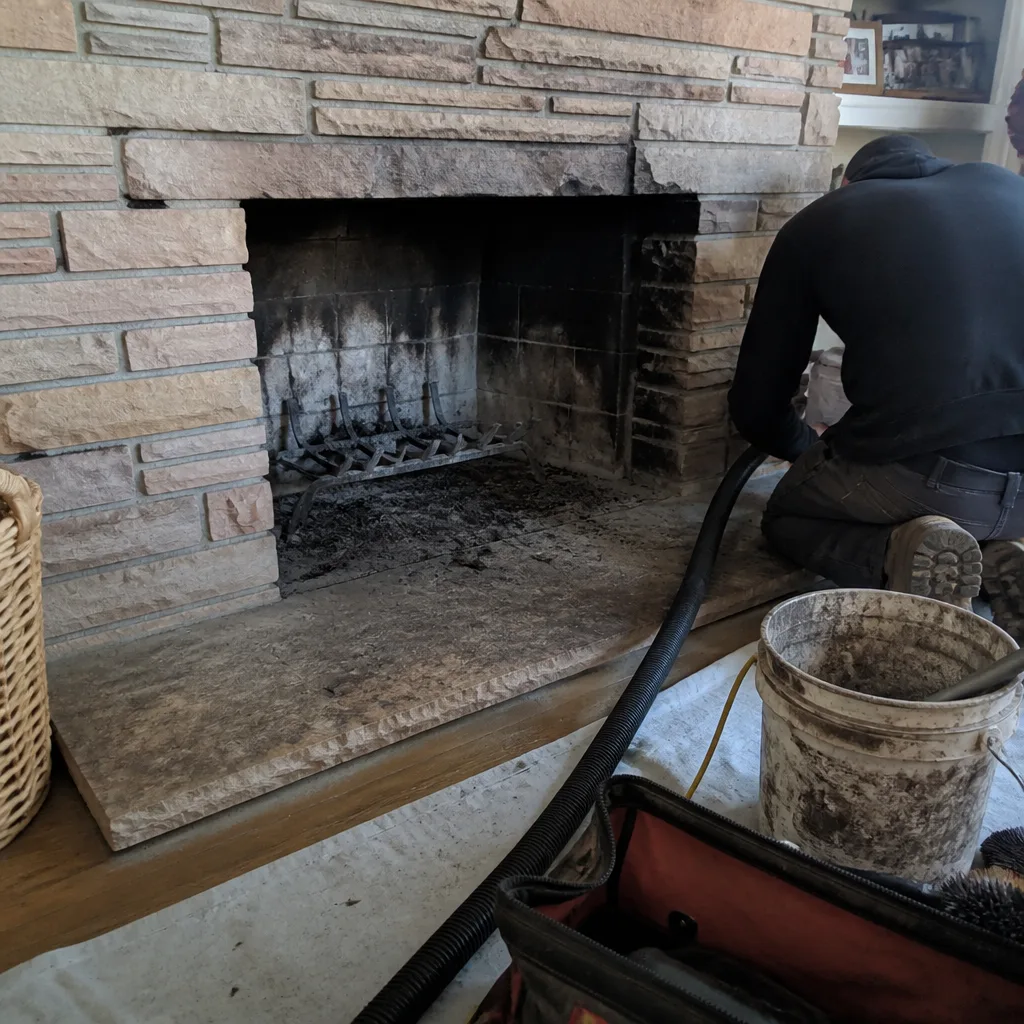
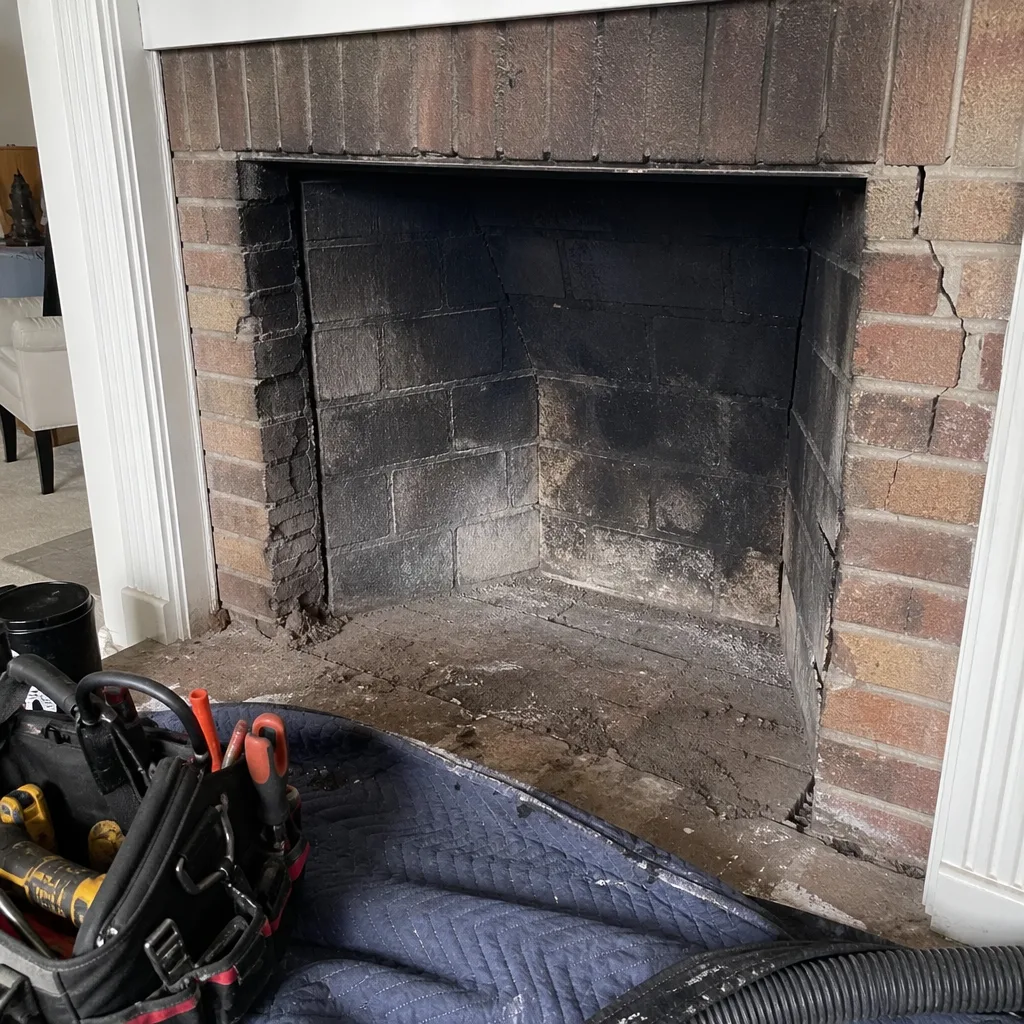 Before
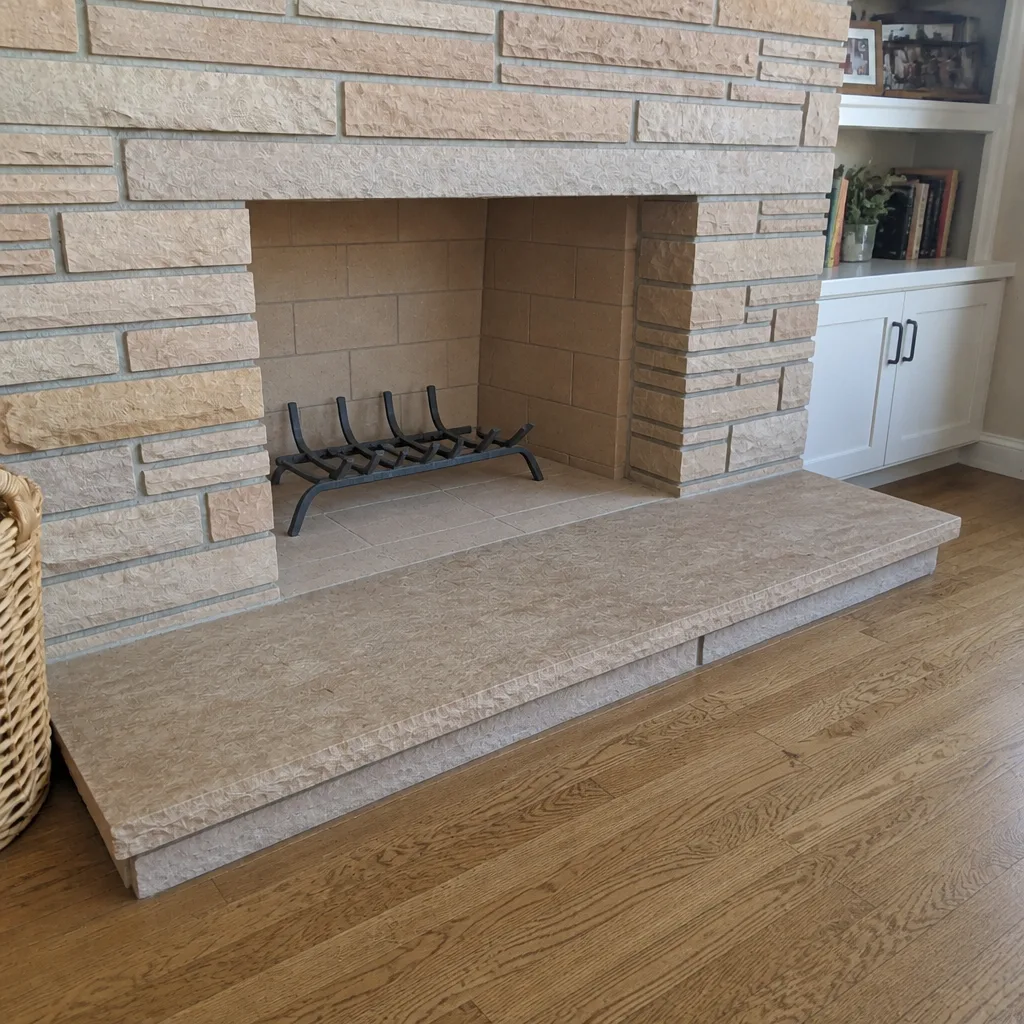
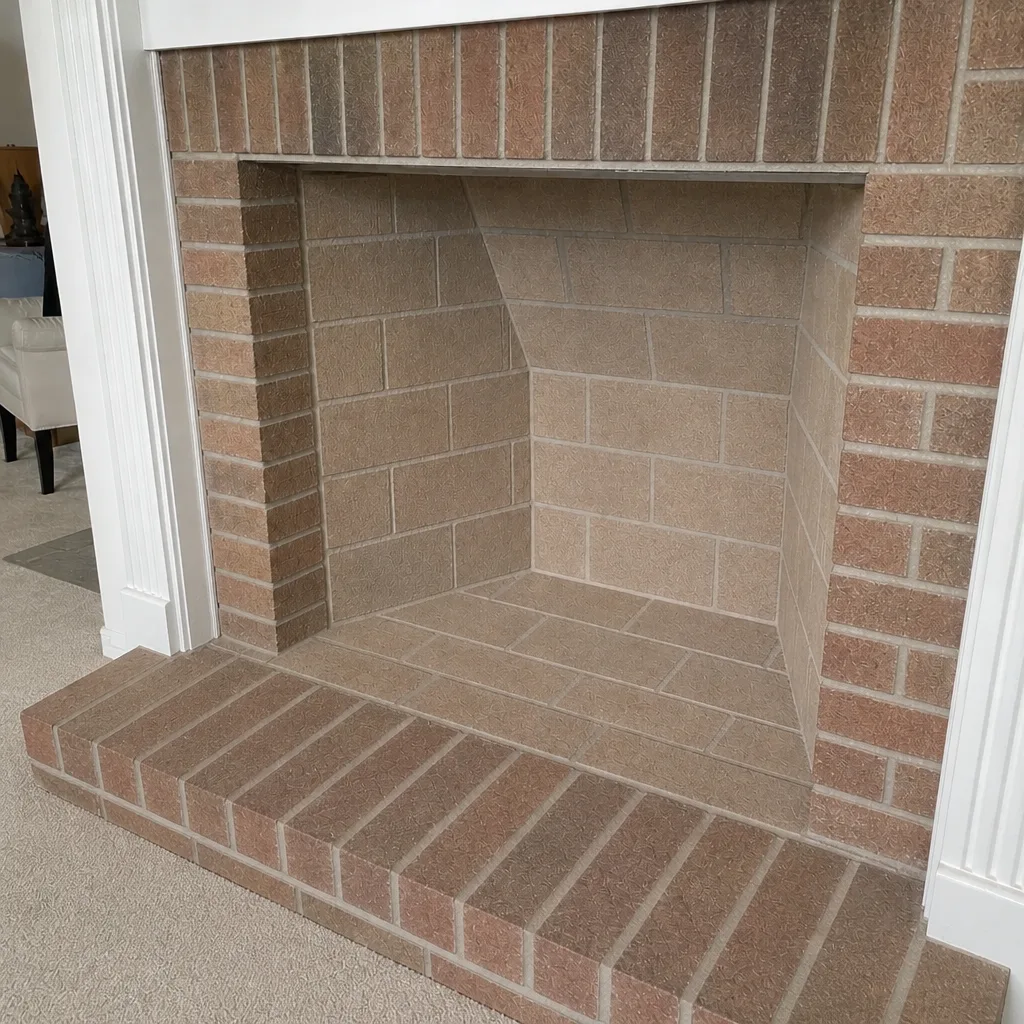 After
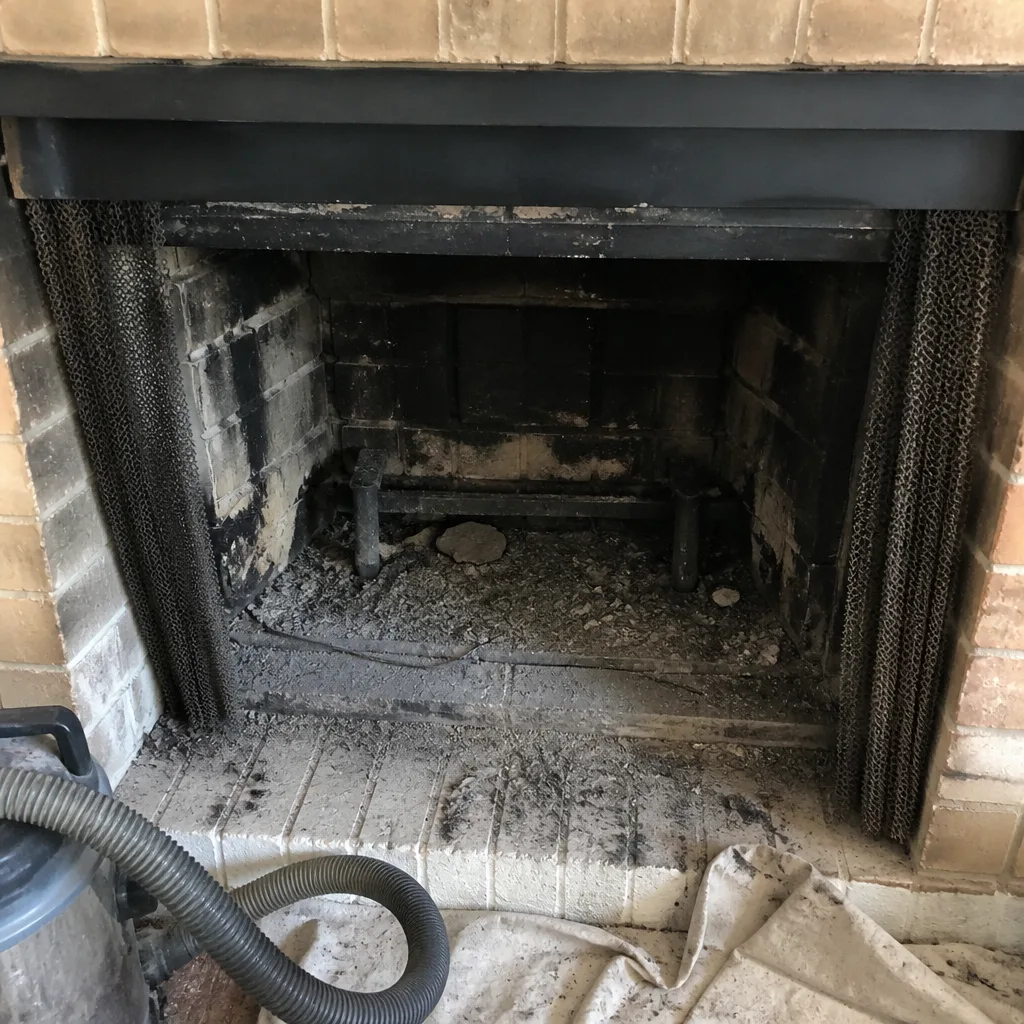 Before
 After
 Before
 After
When to Call a Professional
Call us when any of the following is true. A fire that smokes into the room on every burn. A strong smell that comes back within a week of a cleaning. White staining on the exterior above the roofline. A missing or loose cap. Scratching or chirping in the flue. A carbon monoxide alarm near the chimney, once the house is safe and the fire department has cleared it. A home purchase or insurance inspection where the report needs to be documented. Visible spalling firebrick or dark mortar inside the firebox. A chimney that hasn’t been inspected since you moved in, and you don’t know when the last inspection happened. Our technicians have up to 8 years of experience, and we’ve seen all of these many times over. Morningstar Chimney Sweep offers free estimates in Aurora. Call (855) 368-2029. We answer 24/7. Fast dispatch from 7am to 7pm, Sunday through Friday. The estimate is free, the price is set per job by the written estimate, and we don’t do work you haven’t authorized after seeing what we found.
Frequently Asked Questions
Most Aurora chimneys should be inspected once a year and swept when the inspection shows enough buildup to warrant it. A chimney burned through the season with dry wood and a clean flue may go more than one season without needing a sweep. One that sees heavy use, burns unseasoned wood, or has had water intrusion should be checked at the start of every burning season. Aurora’s heating season runs long enough that annual inspection usually makes sense regardless of the sweep interval. Call (855) 368-2029 to schedule an inspection and we’ll tell you what the camera actually shows before deciding if a sweep is needed.
Not automatically, no. A chimney that sees a handful of fires a year with dry, seasoned wood and no visible damage may not need an annual sweep. What it still needs is an inspection, because the things that matter most – a blocked flue, a cracked liner, a failed cap – don’t depend on how often you burn. Call (855) 368-2029 for an inspection and we’ll tell you exactly what we found before you decide on anything.
A blocked chimney usually smells like tar or asphalt in the room, and it often brings smoke into the firebox during the first few minutes of a fire. The creosote smell is the clearest signal. A blocked flue with creosote and soot at the top will smell strongest on warm days and when the wind blows across the chimney. Wildlife in a blocked flue smells musky with animal sounds behind it. Call (855) 368-2029 if the smell comes back after a cleaning, because a smell that returns is signaling something a sweep alone can’t fix.
Not dangerous by itself, but it’s a sign of water moving through the masonry that should be checked. Efflorescence on the exterior above the roofline commonly comes from a cracked crown, a missing cap, failed flashing, or spalling brick. Water in masonry widens cracks over Aurora’s freeze-thaw cycle and can lead to real structural damage. It’s worth a visit, but it’s not an emergency. Call (855) 368-2029 to schedule an inspection and we’ll identify the entry point before recommending any repair.
A small roll of smoke in the first few minutes that clears once the flue warms is common and not a problem by itself. Smoke that hangs in the room on every fire, in every weather, and doesn’t clear no matter how hot the fire gets is not normal, and it points to a blockage or a draft-reversal issue. If your fire smokes more than it used to, or the pattern has changed even slightly, schedule an inspection. Call (855) 368-2029 and we’ll check it before you light another fire.
Two things, and neither is dramatic until it is. Creosote keeps accumulating in the flue with every fire, and thick creosote is what catches fire when the flue reaches a high enough temperature. Separately, moisture and small structural issues keep growing, usually silently, and the repair cost grows with them. Most chimney fires we see evidence of were in chimneys that hadn’t been inspected in years. Neither outcome has to happen. Call (855) 368-2029 and schedule an inspection so the cleaning is done when the chimney actually needs it.
The Bottom Line
Chimney warning signs are only useful if you can sort them by cause and urgency before you call. The fire that smokes on every burn is the sign to act on. The smell that comes back after a cleaning is almost never a cleaning problem. White staining on the exterior is a water entry point to fix, not a scrub-and-paint. The firebox and the top of the flue are the two places to look with a flashlight before booking anything. If the camera doesn’t show a problem, nothing should be recommended, and we say so. We inspect, we document, and we tell you in writing what the report actually shows. That’s the difference between a chimney specialist and a generalist with a brush.
We work across Aurora and the surrounding area, and we handle the sweep, inspection, and repair under one roof. Aurora homeowners can reach us at (855) 368-2029. We answer 24/7, with fast dispatch from 7am to 7pm, Sunday through Friday. The estimate is free, the price is set per job by the written estimate, and the report you receive is the one we’d want if it were our chimney.
Written by the team at Morningstar Chimney Sweep.